American natural gas production is accelerating, not slowing, according to the latest U.S. Energy Information Administration Short-Term Energy Outlook released this week.
Marketed natural gas output is projected to jump 3.3% in 2026, adding roughly 3.9 billion cubic feet per day. Another 2.5% gain is expected in 2027.
Much of the growth comes from associated gas in the Permian Basin, supplemented by the Haynesville Shale feeding Gulf Coast demand.
Dry gas production should hit 111 Bcf/d next year and 113.6 Bcf/d in 2027. Henry Hub prices are projected around $3.34 per MMBtu in 2026 and $3.46 for 2027 — keeping domestic consumption comfortable while inventories stay healthy.
“This good news didn’t just materialize by accident. It’s the direct result of decades of innovation, smart policy in producing states, and the determination of the American oil and gas industry to deliver despite constant headwinds from Washington bureaucrats and green zealots.”
The production boom aligns with the explosion in U.S. LNG export capacity. Three major Gulf Coast projects hit final investment decision in 2026: Venture Global’s CP2 Phase 2, Commonwealth LNG, and Delfin Midstream’s floating LNG project off Louisiana.
Combined with prior FIDs, nearly 17 Bcf/d of new capacity is coming online, pushing total Gulf Coast export potential toward 33 Bcf/d.
Delfin’s floating LNG setup already has strong offtake agreements lined up with Vitol, Expand Energy, Centrica, and Gunvor.
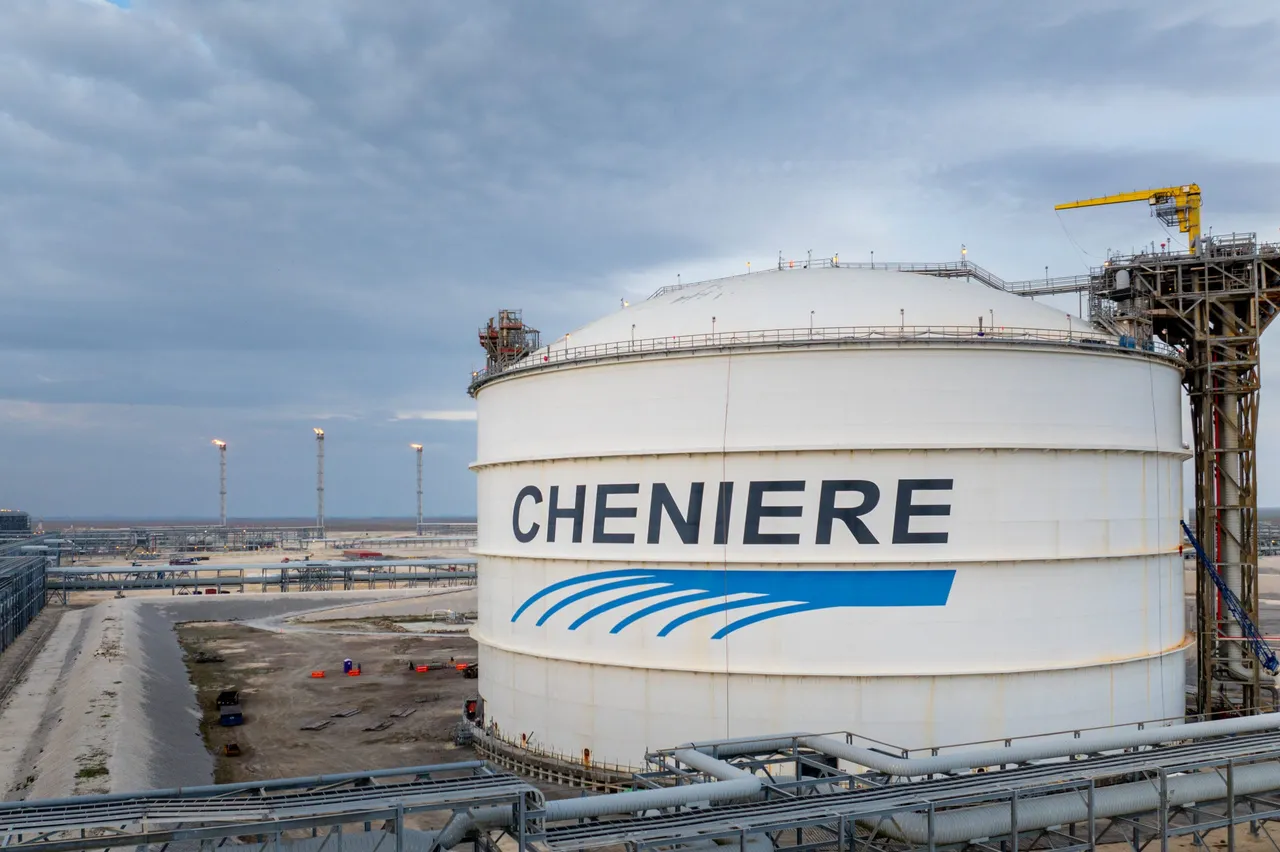
Asian buyers are lining up for 20-year supply deals with U.S. exporters. Countries like Taiwan, Japan, South Korea, and India see American LNG as a strategic hedge — reliable, competitively priced, and backed by vast shale resources that can ramp up when needed.
Europe tells a different story.
Despite the hard lessons of 2022, when Russian pipeline gas was weaponized, many European nations remain reluctant to ink similar long-term commitments. Developers report polite interest but few signatures.
Germany now sources the vast majority of its LNG from the U.S., yet pursues aggressive decarbonization targets that cast doubt on future gas demand.
“The result? Greater reliance on spot cargoes, higher exposure to price spikes, and headaches for U.S. project financing that Asian demand is more than happy to fill.”
The U.S. natural gas and LNG industry sits in a dominant global position heading into the future. Production growth fuels export expansion, which secures long-term partnerships in high-growth Asian markets.
Domestic consumers and manufacturers benefit from stable, affordable energy that supports jobs and economic competitiveness. Globally, American LNG helps displace coal in Asia, bolstering energy security where it’s welcomed.
Policymakers in Washington should streamline permitting, remove punitive regulations, and let the industry do what it does best, according to energy consultant David Blackmon.
David Blackmon is an energy writer and consultant based in Texas. He spent 40 years in the oil and gas business, where he specialized in public policy and communications.