
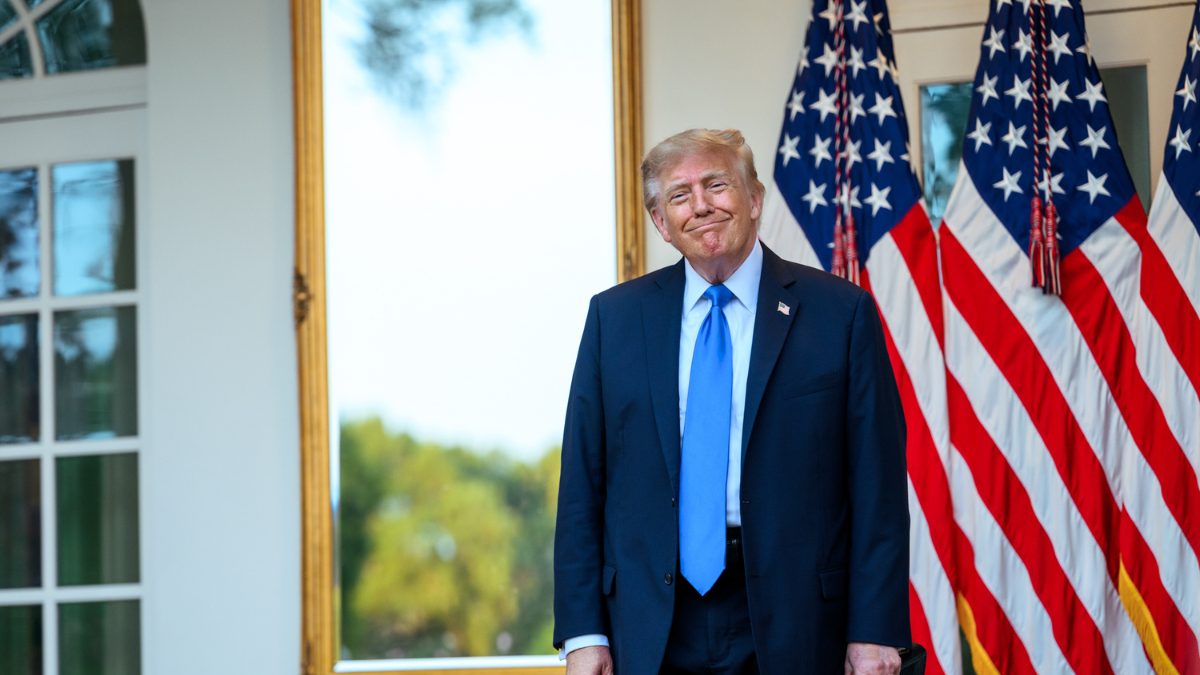
The Trump administration announced a plan to refund $500 per person to nearly 1 million Americans hit by excess Obamacare user fees — a direct rebuke to Biden-era premium bloat that left working families footing the bill for government inefficiency.
The White House fact sheet revealed that the federal health insurance exchange has been collecting more in user fees than needed to operate — and now Trump is giving that money back to the people who paid it. The move represents a significant policy shift in how the administration views the exchange’s financial management and the appropriate balance between cost recovery and avoiding excess taxation on Americans simply trying to obtain health coverage.
“Nearly 1 million Americans in 30 states” will receive $500 rebates, according to the White House announcement.
The rebates target unsubsidized enrollees in states using the federal exchange. Those households paid premiums that included a 3.5 percent user fee for years — fees meant to cover exchange infrastructure, call centers, and administrative overhead. This user fee structure was established when the Affordable Care Act exchanges launched, with the percentage set to ensure the federal marketplace could sustain itself without drawing from general tax revenue. The original concept was designed to make the exchange self-funding, avoiding the need for annual congressional appropriations that might become politically vulnerable. But the exchange consistently ran a surplus.
That surplus grew as enrollment spread fixed costs across more people, IT expenses dropped after the rocky launch years, and outreach spending declined once Obamacare became widely known. The initial technology failures and cost overruns that plagued Healthcare.gov in 2013 and 2014 eventually gave way to a more stable, efficient platform that required significantly less maintenance and troubleshooting. Meanwhile, as the exchange became an established part of the health insurance landscape, the need for expensive advertising campaigns and public education efforts diminished considerably. Trump’s team concluded the government had been overcharging Americans and decided to return the excess.
Who qualifies? Only enrollees in the 30 states that use the federal exchange architecture. Blue states running their own exchanges collected different fees and won’t participate. The CMS enrollment data shows the vast majority of exchange enrollees still receive federal subsidies, so rebates will go only to unsubsidized buyers — those who paid full freight without government help. This distinction is critical because subsidized enrollees never directly paid the user fees themselves; the fees were embedded in premiums that were then largely covered by advance premium tax credits. Only those paying their entire premium out of pocket actually bore the full cost of the user fee structure.
The policy provides targeted relief to the exact group hit hardest when Congress let Biden’s enhanced subsidies expire last December. Those subsidies had allowed households earning above 400 percent of the poverty line — roughly $64,000 for an individual, $132,000 for a family of four — to collect taxpayer-funded premium assistance. The enhanced subsidies, originally passed as part of the American Rescue Plan in 2021 and extended through the Inflation Reduction Act, had temporarily eliminated the income cap that previously made families above that threshold ineligible for any assistance. When the subsidies lapsed, those families suddenly paid full price.
Families in their 50s approaching retirement saw the biggest premium spikes. These older Americans face age-based premium ratings that can make coverage cost three times as much as it does for younger enrollees, even before the loss of subsidies. Trump’s refund softens that blow by returning money the federal government should never have collected in the first place.
The White House fact sheet left key details unresolved. Would someone who enrolled last year but not this year still qualify? How did the administration calculate the $500 figure? Was it based on average fees paid, or does it represent a conservative estimate to ensure the exchange retains adequate reserves? Critics argue it might be simpler to just reduce user fees going forward rather than issue separate checks. Lowering the user fee percentage from 3.5 percent to a level that more accurately reflects actual operational costs could provide ongoing relief without the administrative complexity of processing individual rebates.
But Trump appears committed to the rebate approach. The announcement came during the Republican midterm convention, signaling the president sees political upside in putting checks directly in voters’ hands before November. The tangible nature of a rebate check creates a more visible policy accomplishment than an incremental fee reduction that might go unnoticed by many enrollees.
The federal government now carries $40 trillion in debt. Congress couldn’t afford to keep subsidizing early retirees’ health insurance indefinitely. The fiscal pressures facing the federal budget made the expiration of enhanced subsidies virtually inevitable, regardless of their policy merits. Returning overcharged fees to those same households offers a fiscally responsible middle ground — give back what was never the government’s to keep, without expanding the welfare state further.
Trump’s team is now working through the logistics to deliver the refunds before year-end.