The United States issued a formal complaint to the Russian government Wednesday, demanding transparency about the suspected death of a lab worker at a Soviet-era anti-plague research facility in Siberia — and President Trump is taking the matter straight to Vladimir Putin.
The diplomatic escalation represents a significant test of U.S.-Russia relations at a moment when trust between the two nuclear powers remains fragile. The incident has revived painful memories of the COVID-19 pandemic’s origins and the global frustration over delayed transparency from governments when potential outbreaks emerge. Intelligence officials are treating the matter with urgency, recognizing that even hours of delay in sharing critical health information can have catastrophic consequences in an interconnected world.
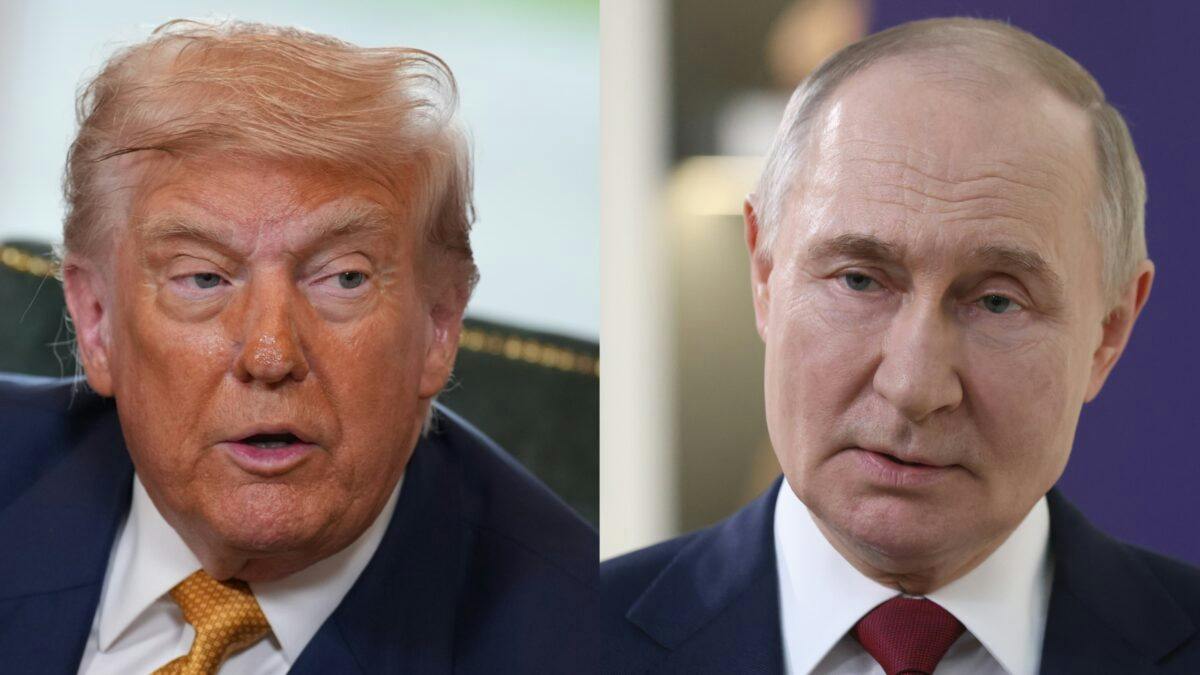
“I have a call scheduled,” Trump told reporters Tuesday evening, adding the conversation with Putin would happen “very soon.” The president said he would share more intelligence details about the suspected plague case Wednesday.
The decision to involve the president directly in what began as a health matter signals the administration’s concern that this situation carries implications beyond public health, potentially touching on biosecurity, treaty compliance, and the credibility of international health surveillance systems. Presidential involvement in direct bilateral negotiations over disease outbreaks is relatively rare and typically reserved for situations where diplomatic channels have proven insufficient.
The State Department confirmed it has officially requested additional information from Moscow and is coordinating with allies worldwide to share intelligence.
“WE HAVE OFFICIALLY REQUESTED ADDITIONAL INFORMATION FROM THE RUSSIAN GOVERNMENT. WE ARE ALSO IN OFFICIAL COMMUNICATION WITH OTHER COUNTRIES AROUND THE WORLD TO SHARE INFORMATION.”
The complaint — known as a démarche in diplomatic terms — warns Moscow that failing to disclose details about the lab worker’s death violates international health obligations. The 2005 International Health Regulations require countries to notify the World Health Organization within 24 hours of assessing an event that could become an international public health emergency. Pneumonic plague is listed as a “potential notifiable event” under those regulations.
These regulations were strengthened following the SARS outbreak of 2003, when delayed reporting allowed the respiratory disease to spread across borders before the international community could mount a coordinated response. The framework was designed specifically to prevent the kind of opacity that has characterized Russia’s response to this incident. Pneumonic plague, the most deadly form of the disease, can spread person-to-person through respiratory droplets and carries a high fatality rate if not treated promptly with antibiotics.
Russia has stonewalled. Officials have not confirmed a laboratory leak or whether the woman who died actually had plague. Irkutsk regional Governor Igor Kobzev claims the lab worker died from pneumonia of an unknown origin — but the death occurred at the Irkutsk Anti-Plague Institute, a facility established by the Soviet Union in 1934 specifically for plague research and control.
The characterization of the death as merely “pneumonia of an unknown origin” at a facility dedicated to plague research has struck Western intelligence analysts as evasive at best. The institute sits in a region where plague naturally occurs in rodent populations, making surveillance and research critical — but also making laboratory safety protocols paramount. The facility’s Soviet-era origins have raised additional questions about whether biosafety infrastructure has been adequately maintained and modernized in the decades since the USSR’s collapse.
That proximity has raised alarm bells across the U.S. intelligence community.
Secretary of State Marco Rubio said Tuesday the administration is “watching it very closely, hour by hour” but cautioned against speculation until more facts emerge.
“MAYBE THERE’S NOTHING THERE. MAYBE IT’S BIGGER THAN WE THOUGHT. WE DON’T KNOW. BUT I THINK IT WOULD BE RECKLESS AT THIS MOMENT, GIVEN THE LIMITED INFORMATION WE STILL HAVE, TO SPECULATE ABOUT WHAT THIS MIGHT OR MIGHT NOT BE.”
Rubio’s measured tone reflects the administration’s attempt to balance transparency with caution, acknowledging public anxiety about potential disease outbreaks while avoiding the kind of premature conclusions that could either cause unnecessary panic or undermine credibility if the situation proves less serious than feared.
The United States has long accused Russia of maintaining a biological weapons program in violation of the Biological Weapons Convention. Russia insists the Irkutsk facility is a civilian plague-prevention institute.
This long-standing dispute over Russia’s biological research programs has complicated discussions about laboratory safety and transparency. The Biological Weapons Convention, which entered into force in 1975, prohibits the development, production, and stockpiling of biological weapons, but lacks a robust verification mechanism. This absence of enforceable inspection protocols has allowed suspicions to fester on both sides, with Russia making similar accusations about American research facilities.
But a 2025 State Department report stated Russia continued to work on its biological warfare program in direct violation of its treaty obligations.
President Trump is scheduled to make an announcement at 1:00 p.m. Wednesday at the White House, though it remains unclear whether the statement will address his planned call with Putin or the Russian lab death investigation.
The timing of the announcement suggests the administration may have received new intelligence overnight or secured commitments from Russia ahead of the president’s public remarks. The White House has been under pressure from both Congress and international partners to provide regular updates as the situation develops.
The Trump administration is demanding answers — and this time, the president is making the call himself.
🚨 BREAKING: President Trump says he has a call scheduled with Vladimir Putin over the supposed "plague" that may have leaked from a lab
"We're in very deep discussions. We'll be able to report about it probably tomorrow."
We're sure as hell NOT doing this whole COVID thing all… pic.twitter.com/vpuHjcnvut
— Nick Sortor (@nicksortor) October 6, 2026