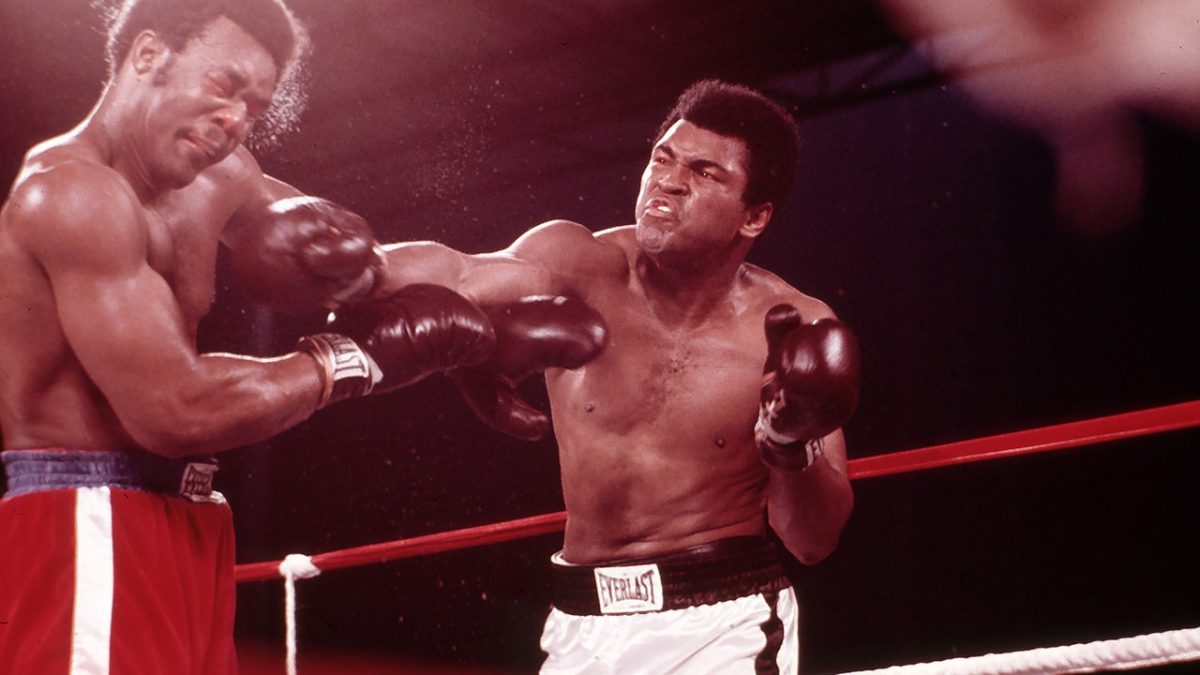
Muhammad Ali’s grandson is calling out UFC founder Dana White over a controversial boxing law that carries the legendary fighter’s name.
Nico Ali Walsh, born to Muhammad’s daughter Rasheda Ali, issued a direct challenge to White as the UFC chief pushes for the Muhammad Ali American Boxing Revival Act of 2026 — a revision of a landmark 2000 law originally designed to protect fighters from exploitation.
“We know what my grandfather’s legacy means to this sport, and we both know that as this bill stands, it should not have his name on it.”
Walsh wants a face-to-face meeting with White to discuss the bill’s impact on fighter protections.
“We both live in Vegas, and I’m asking you, let’s have a sit-down, public or private, you choose,” Walsh said. “Let’s discuss the Ali Act, fighter protections, and what’s truly best for us fighters. Let’s do this for the sport we both love.”
The proposed legislation has drawn fire from Walsh and promoter Oscar De La Hoya, who argue it undermines the original Muhammad Ali Boxing Reform Act co-sponsored by John McCain. That 2000 law created a firewall between promoters and managers — preventing one entity from controlling both sides of a fighter’s career.
Under the new bill, “Unified Boxing Organizations” could sign fighters, promote fights, create rankings and award titles under one system. According to the Congressional Budget Office, UBOs would be allowed to contract with boxers, promote matches and run rankings and titles simultaneously.
Walsh argues that structure would let one organization act as promoter, matchmaker, ranking body and title system all at once.
“That’s what the current Muhammad Ali Act protects from happening in boxing,” Walsh said.
The bill has bipartisan backing. Representatives Brian Jack (R-GA) and Sharice Davids (D-KS) co-sponsored the legislation, which passed the House with overwhelming cross-party support. The Senate Commerce Committee received the bill on March 25.
White’s push for the revision comes as TKO Group — which owns the UFC — expands deeper into boxing through Zuffa Boxing. The company recently signed British welterweight Conor Benn during WrestleMania week in Las Vegas.
Walsh acknowledged some elements of the 2000 law could be updated after 26 years, particularly health benefits for fighters. But he insists the Revival Act’s health provisions don’t offset what he sees as stripped fighter rights.
“The health benefits at the front end doesn’t negate the rights that are being stripped from the fighters on the back end,” Walsh said.
Supporters claim the Revival Act would modernize boxing and enhance fighter well-being through new safety and business rules for UBOs.
Walsh’s larger concern: most fighters and fans don’t understand what the Ali Act does or what’s at stake in the current debate.
“You need to know your rights as a fighter,” Walsh said.
Fox News Digital reached out to the UFC for comment.