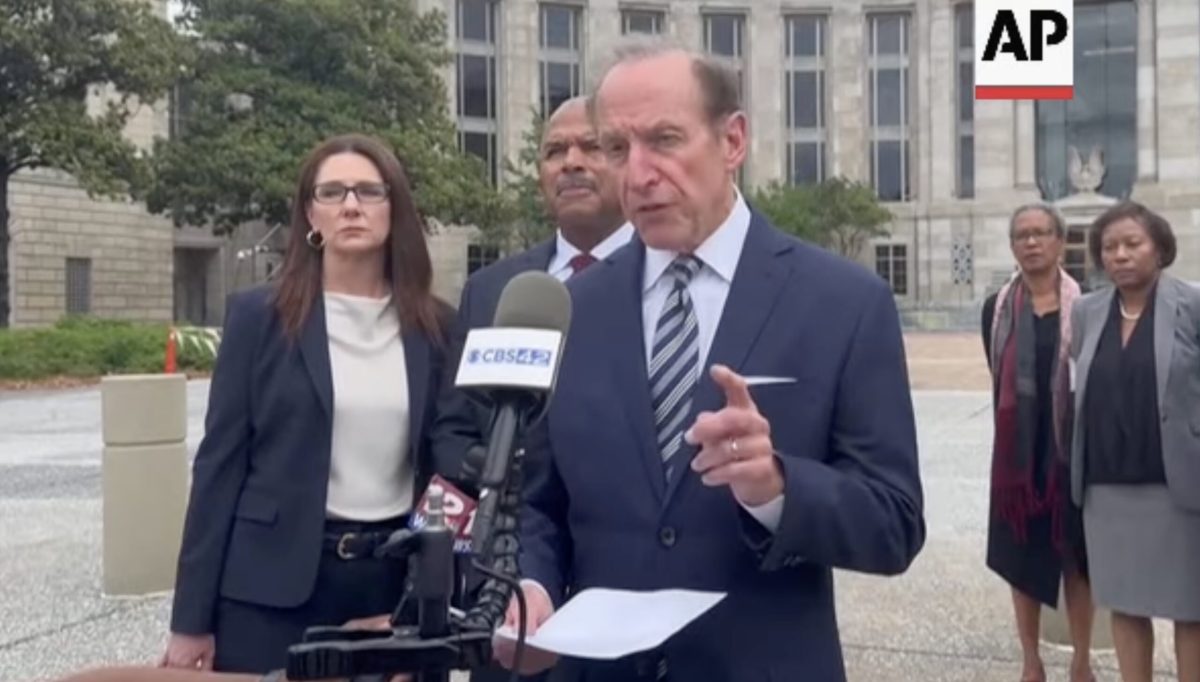
The Southern Poverty Law Center hired Hunter Biden’s lawyer to claim the Trump DOJ was targeting them unfairly. It didn’t work.
A federal judge in Alabama rejected the organization’s motion to dismiss fraud charges on Friday, calling their defense “heavy on heated rhetoric” and “better suited for cable news.” The ruling represents a significant setback for the SPLC’s legal strategy and raises questions about whether the organization will shift its approach as the case moves toward trial.
The SPLC was indicted in April on allegations that it lied to banks and created fake business accounts to pay informants. According to the indictment, the organization allegedly bought Klan members robes and paid for wood and gas to burn crosses. These allegations, if proven, would suggest the SPLC engaged in ethically questionable investigative tactics while allegedly deceiving financial institutions about the nature of these transactions. The charges paint a picture of an organization that may have crossed legal lines in pursuit of its investigative objectives.
The charges remain allegations. The case has not been proven in court.
After the indictment, the SPLC brought in Democrat fixer Abbe Lowell — the same lawyer who defended Hunter Biden — to mount a theatrical victimhood defense. Lowell’s involvement signaled the organization’s intent to turn the case into a political battle rather than a straightforward legal proceeding. His reputation for high-profile political defense work and media-savvy tactics suggested the SPLC was preparing to fight this case in the court of public opinion as much as in the courtroom. Lowell claimed the Trump administration was prosecuting the SPLC for being “brave and anti-racist.”
Legacy media outlets echoed the talking points. They framed the case as a political hit job rather than a serious criminal prosecution. This media narrative appeared coordinated with the SPLC’s broader defense strategy, attempting to shift focus from the specific allegations to broader questions about political motivation. The coverage often downplayed or ignored the substantive claims in the indictment.
In May, the SPLC filed a motion to dismiss the charges as vindictive prosecution. Activist groups piled in with amicus briefs arguing that brave leftists were being unfairly targeted by mean right-wingers. The motion represented the organization’s best chance to end the case before trial, and the supporting briefs demonstrated the level of political support the SPLC could mobilize. The filings attempted to reframe the prosecution as part of a pattern of government overreach against civil rights organizations.
The legal argument was always weak. Vindictive prosecution claims require substantial evidence of prosecutorial misconduct or selective enforcement, a high bar that the SPLC’s filings appeared unlikely to clear. Legal observers noted that emotional appeals and political framing rarely succeed when courts demand concrete evidence of improper motive.
District Court Judge Emily Marks wasn’t impressed with the SPLC’s theatrics. In her ruling, she wrote that the parties’ briefing was “heavy on heated rhetoric” and “emphasizes noise over substance.” The judge’s language suggested frustration with both sides for allowing political considerations to overshadow legal analysis, though her ruling ultimately rejected the SPLC’s position entirely.
The judge searched through the dramatic language and couldn’t find the legal argument. The SPLC, she wrote, “has failed to offer some evidence tending to show animus on the part of the prosecutors involved in bringing this case.” This failure was particularly damaging because it meant the organization had not met even the initial burden required to support a vindictive prosecution claim. Without evidence of improper motive, the legal theory collapsed regardless of how much political rhetoric surrounded it.
“The parties’ briefing is, like much of our modern political discourse, heavy on heated rhetoric, better suited for cable news, or a podcast. It emphasizes noise over substance.”
That’s a sharp rebuke of Lowell’s entire defense strategy — which relied on media spin rather than legal substance. The judge’s words effectively dismissed months of public relations efforts and suggested that the courtroom would not be receptive to arguments designed primarily for public consumption. It was a reminder that legal proceedings ultimately require legal proof, not political narratives.
The SPLC has due process rights and is entitled to a presumption of innocence. But their defense so far has been a media campaign and an attempt to distract, not an effort to address the substance of the allegations. As the case proceeds, the organization will need to confront the specific factual claims in the indictment rather than relying on broader arguments about political persecution. The dismissal of this motion suggests the court will insist on substance over spectacle.
A jury trial is scheduled to begin on October 5. The SPLC will have to answer the allegations in court — not on cable news. Whether the organization adjusts its strategy in light of this ruling remains to be seen, but the judge’s decision makes clear that political theater will not substitute for a substantive legal defense when the case reaches trial.