The CEO of OpenAI just admitted what parents have suspected for years: short-form video is rewiring kids’ brains — and he won’t let his own children anywhere near it.
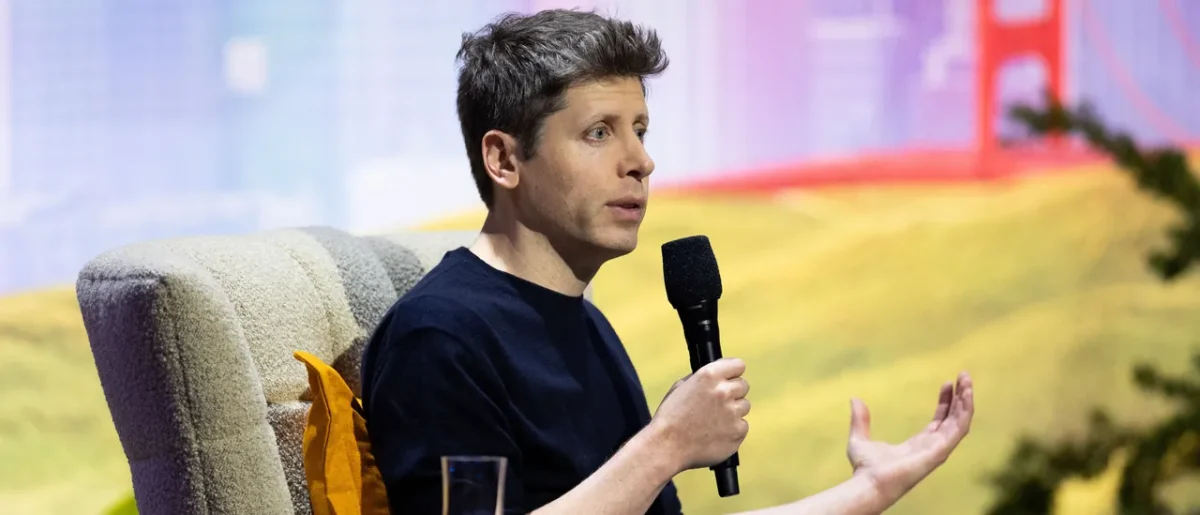
Sam Altman told a packed audience at Salesforce’s Dreamforce conference in San Francisco on Tuesday that short-form video platforms are “dangerous” for young minds, revealing he personally bans his kids from the dopamine-hijacking content flooding TikTok, Instagram Reels, and YouTube Shorts.
The acknowledgment marks a striking moment of candor from a tech industry leader whose own company is pushing the boundaries of AI-generated content creation. It also reflects growing unease among Silicon Valley executives about the unintended consequences of technologies designed to maximize user engagement at all costs — consequences that are now becoming impossible to ignore as mounting research links excessive social media use to rising rates of anxiety, depression, and attention disorders among adolescents.
“I happen to like short-form video … but I wouldn’t let my kids near that stuff. I don’t think it’s reasonable to expect kids to be able to resist that dopamine thing or know that they even should.”
Altman’s comments came after Salesforce CEO Marc Benioff asked what AI companies should learn from social media’s documented toll on teenagers — the same issue that cost Meta $17.1 billion in a multistate settlement last month over allegations the company knowingly addicted teens to its apps.
The question cuts to the heart of a brewing regulatory and ethical crisis facing the tech industry. As artificial intelligence becomes capable of generating increasingly sophisticated and personalized content, concerns are mounting that AI could amplify the addictive qualities that have made platforms like TikTok so controversial. The stakes are particularly high for companies like OpenAI, which are simultaneously developing tools that could either solve or exacerbate the problems created by the previous generation of technology.
The OpenAI chief didn’t mince words about social media’s impact on society. It hasn’t been “only positive,” especially for young people, he said — though he stopped short of blaming the companies entirely.
“I think we’re going to stay in an extremely human-centric world no matter how good technology gets, and I think one of the things I didn’t like about social media is, I think, it pushed us a little bit more away,” Altman told the crowd.
His observation touches on a broader cultural concern that has emerged over the past decade: that platforms designed to connect people may actually be isolating them, replacing genuine human interaction with algorithmically curated feeds optimized for engagement metrics rather than meaningful connection. Mental health professionals and educators have increasingly raised alarms about this phenomenon, particularly as it affects children whose brains are still developing critical social and cognitive skills.
But when it came to short-form video specifically, Altman drew a hard line.
“I don’t think short-form video is inherently evil, but I do think it’s dangerous.”
The distinction he draws between “evil” and “dangerous” is telling. It suggests he views the technology itself as neutral, but its effect on developing minds as something requiring serious parental intervention and potentially regulatory oversight. The admission also highlights a contradiction at the heart of the tech industry: executives who profit from engagement-driven platforms often shield their own families from the very products they help create and promote.
The irony isn’t lost: OpenAI itself launched Sora, a TikTok-style app for sharing AI-generated short videos, in September 2025. The company quietly discontinued the platform just seven months later in April 2026, according to Axios.
While OpenAI never publicly explained the shutdown, Altman’s recent comments suggest the company may have grappled internally with the ethical implications of adding AI-powered content generation to an already problematic format. The brief lifespan of Sora raises questions about whether AI companies can truly learn from social media’s mistakes while still pursuing similar business models built on capturing and monetizing user attention.
Altman’s warning comes as European regulators prepare to crack down. The European Commission is set to introduce the EU Kids Act, which would ban children under 15 from creating social media accounts, Politico reported Monday.
The proposed legislation represents the most aggressive regulatory approach yet to addressing youth social media addiction, going far beyond the parental consent requirements and age verification systems currently in place. If enacted, it would fundamentally reshape how tech companies design products and target users in one of the world’s largest markets, potentially setting a precedent for similar laws elsewhere.
The OpenAI CEO argued that AI companies can avoid social media’s mistakes by keeping safety ahead of new capabilities and learning from incidents the way the aviation industry does.
“Some degree of accidents are unavoidable with new technology across the industry,” Altman said. But responsible development means building guardrails before releasing powerful tools into the wild.
The aviation analogy is one Altman has returned to repeatedly when discussing AI safety. The airline industry’s commitment to learning from every incident and implementing systemic improvements has made commercial air travel remarkably safe despite its inherent risks. Whether the same approach can work for AI — where “incidents” might involve psychological harm rather than physical crashes, and where competitive pressures push companies toward rapid deployment — remains an open question that will likely define the next phase of the technology’s development.
Altman publicly agreed Monday with Anthropic CEO Dario Amodei’s recent call to slow the pace of frontier AI development — a rare admission from a tech leader racing to dominate the AI arms race.
OpenAI did not respond to requests for comment.
The world deserves confidence that American companies developing increasingly capable AI will act responsibly, especially as the trajectory of progress has steepened. Every frontier lab must deliver on this, and there is no reason any of us should come to work if we cannot.
We…
— Sam Altman (@sama) September 14, 2026