
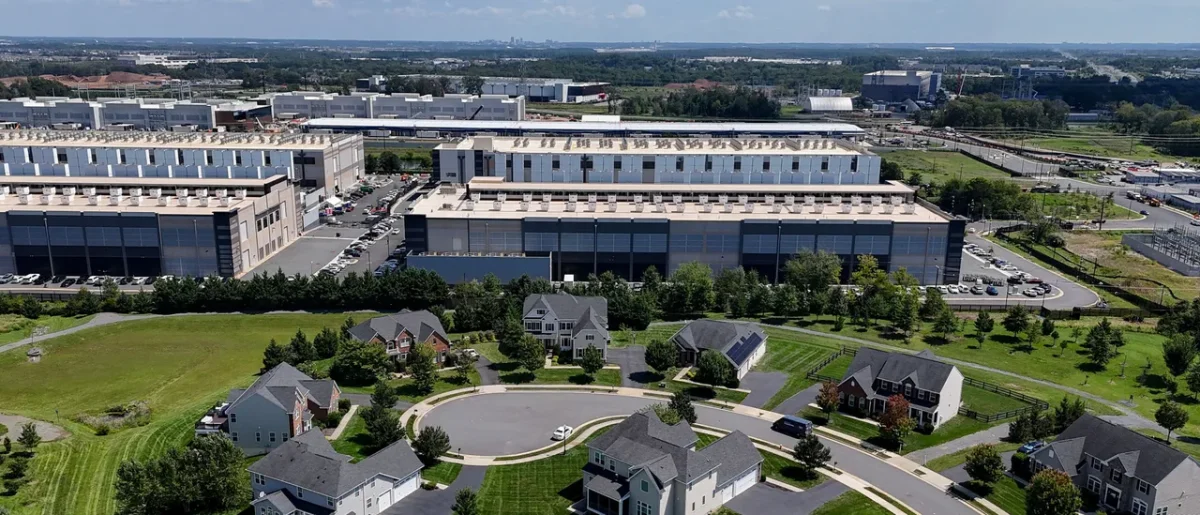
A conservative parents’ group just handed families a tool to separate good data center projects from bad ones — and it couldn’t come at a better time.
American Parents Coalition released a guide laying out what parents should demand from data center developers before projects break ground, according to Daily Caller reporting. The move comes as the race to build AI-powering data centers has sparked backlash nationwide over water use, noise pollution, and skyrocketing electricity bills.
The timing reflects a broader tension in American communities: the infrastructure needed to power artificial intelligence and cloud computing is landing in suburban and rural towns where residents often have little say in the planning process. As tech companies scramble to meet surging demand for AI capabilities, the physical footprint of digital technology is becoming impossible to ignore at the local level.
Alleigh Marré, executive director of American Parents Coalition, said parents shouldn’t need to become infrastructure experts just to protect their towns.
“Parents have enough on their plates and should not have to become infrastructure experts to understand how a proposed data center will affect their family and community. Companies have a unique opportunity to build goodwill, add value, and be welcomed within a community by outlining and negotiating terms that work for both the industry and the safety and security of our shared future.”
The guide gives parents four questions to demand answers on: what the project will concretely do for the town, where its water will come from, how much power it needs, and how it plans to treat the people living nearby.
These questions address the most common friction points that have emerged as data centers proliferate across the country. They’re designed to cut through technical jargon and corporate presentations to focus on tangible impacts that affect daily life — from utility bills to environmental resources to quality of life issues like noise and traffic.
The good news? Some data centers are real community wins.
Nearly half of property taxes in Loudoun County, Virginia are supported by the region’s 250 data center facilities — the most in the U.S. In DeKalb, Illinois, a data center funded $48.5 million in three years’ worth of property taxes and also supported school and public services.
These success stories demonstrate that data centers can be economic engines for communities willing to host them. The tax revenue generated can transform local budgets, providing resources for education, infrastructure, and public safety that might otherwise require tax increases on residents. For smaller municipalities especially, a single major data center can represent a transformative fiscal opportunity.
Newer data centers increasingly reuse the same cooling water and supply their own power. A Microsoft data center in Boydton, Virginia, cools itself with outside air for about 85 percent of the year, requiring no water to accomplish this, according to a Northern Virginia Technology Council report.
The evolution in data center design shows that many concerns can be addressed through modern engineering and corporate responsibility. Companies that invest in sustainable cooling systems, renewable energy sources, and sound mitigation are proving that the industry can adapt to community needs without sacrificing operational efficiency.
But the bad news is real too.
The guide acknowledges that some fears about data centers are legitimate and grounded in fact. Older facilities in Virginia went through more than two billion gallons of local drinking water to cool their equipment. In Wisconsin, residents sued a developer over what they called “unreasonable and excessive noise.”
These examples aren’t outliers — they represent what happens when communities lack the information or leverage to negotiate protective terms upfront. The water consumption figures are particularly alarming in regions facing drought conditions or straining existing water infrastructure. The noise complaints reflect facilities built too close to residential areas without adequate buffers or mitigation measures.
The coalition is encouraging parents to get involved in their local community and discuss data center issues in person and online before projects break ground.
Early engagement is critical because once construction begins or zoning approvals are granted, communities have far less negotiating power. The guide represents an attempt to level the playing field between well-resourced corporations and local residents who may be unfamiliar with the data center industry’s impacts and operations.
Parents shouldn’t have to choose between AI progress and livable towns — but they do need to know what questions to ask before the bulldozers show up.