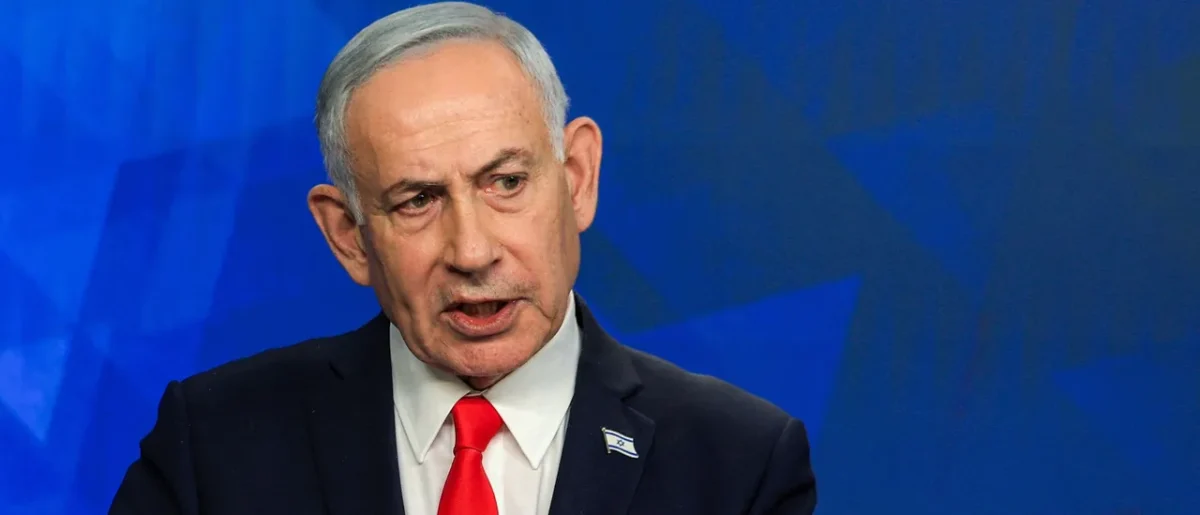
Israeli Prime Minister Benjamin Netanyahu rejected President Donald Trump’s 15-point peace plan for Gaza, telling his cabinet that Israeli troops will not withdraw until Hamas fully disarms. The rebuff represents a significant setback for Trump’s diplomatic efforts in the region and highlights the deep divide between Washington and Jerusalem over how to end the conflict that has devastated Gaza and displaced millions of Palestinians.
Netanyahu made the announcement at a Sunday cabinet meeting, shutting the door on the proposal drawn up by Trump’s Board of Peace. The plan called for a phased Israeli pullback tied to Hamas surrendering heavy weapons, production sites, arms depots, and its tunnel network first. The proposal had been seen by international observers as one of the most detailed frameworks yet proposed for ending hostilities, with specific benchmarks and verification mechanisms intended to address Israeli security concerns while creating a pathway toward de-escalation.
“I want to be precise here: Israel rejects the 15-point document. The military will not withdraw at all until Hamas is genuinely disarmed and will continue to thwart threats against our forces and citizens.”
The Israeli leader said negotiations with Washington are continuing, even as the two governments clash over how any deal should move forward. This public disagreement marks an unusual moment of friction between Netanyahu and Trump, who have historically maintained close alignment on Middle East policy. “They have ideas, some of which are acceptable to us and some are not, and we know how to stand up to those things,” Netanyahu said, suggesting that Israel would not bend to American pressure despite the strategic importance of the bilateral relationship.
He also ruled out any path to Palestinian statehood, reiterating a longstanding position that has been a cornerstone of his political career and a red line for his governing coalition. “As long as I am prime minister, no Palestinian state will be established — not in Gaza and not in the West Bank.” The declaration effectively closes the door on any broader political solution that would include Palestinian sovereignty, a prospect that remains central to international peace efforts and the positions of most Arab states.
Trump had promoted the Board of Peace plan last month as a potential breakthrough, raising expectations among regional partners and international diplomats who had been searching for a viable off-ramp from the conflict. The proposal required Hamas to give up its heavy weapons and infrastructure before any Israeli withdrawal would begin, representing what American officials had described as a security-first approach designed to address Israel’s fundamental concerns. The Board of Peace confirmed last week that no pullback would happen until disarmament was complete, following a meeting between its director, Nickolay Mladenov, and Netanyahu. That confirmation had initially suggested the plan might gain Israeli acceptance, making Sunday’s outright rejection all the more striking.
A senior Hamas figure responded to the rejection by calling on mediators to pressure Netanyahu, signaling that the Palestinian militant organization sees the collapse of the framework as resulting from Israeli intransigence rather than substantive problems with the proposal itself. Politburo member Bassem Naim wrote on X that Hamas expects “the mediators and the American guarantor to pressure Netanyahu and his government to adhere to the roadmap and not obstruct the process for internal political and electoral reasons.” The statement suggests Hamas believes Netanyahu’s domestic political calculations are driving his position more than legitimate security considerations.
نحن ملتزمون بخارطة الطريق التي تم التوصل إليها مع ممثلي مجلس السلام في القاهرة قبل أيام، وموافقتنا، رغم كل التحديات، عكست حرصا على مصالح شعبنا الفلسطيني. ننتظر من الوسطاء والضامن الأمريكي الضغط على نتنياهو وحكومته لإلزامه بالخارطة وعدم تعطيل المسار لأسباب سياسية وانتخابية داخلية.
— Dr.Basem naim (@DrNaimbasem) August 9, 2026
The timing carries weight for Netanyahu, who faces a re-election fight in late October with his coalition trailing in polls. Domestic political pressures may be shaping his negotiating posture as he seeks to shore up support among right-wing voters who oppose any concessions to Hamas or withdrawal from territory Israeli forces have secured. Israel currently holds more than half of Gaza, and his far-right coalition partners are pushing to expand Israeli control further, creating pressure from within his government to maintain or even intensify the military campaign rather than pursue diplomatic solutions.
Finance Minister Bezalel Smotrich backed Netanyahu’s hardline stance, telling reporters the military “cannot retreat one millimeter in the Gaza Strip.” Smotrich’s position reflects the views of the coalition’s most nationalist elements, who see the current military presence as non-negotiable and view any withdrawal as a dangerous concession that would undermine Israeli security and embolden Hamas.