
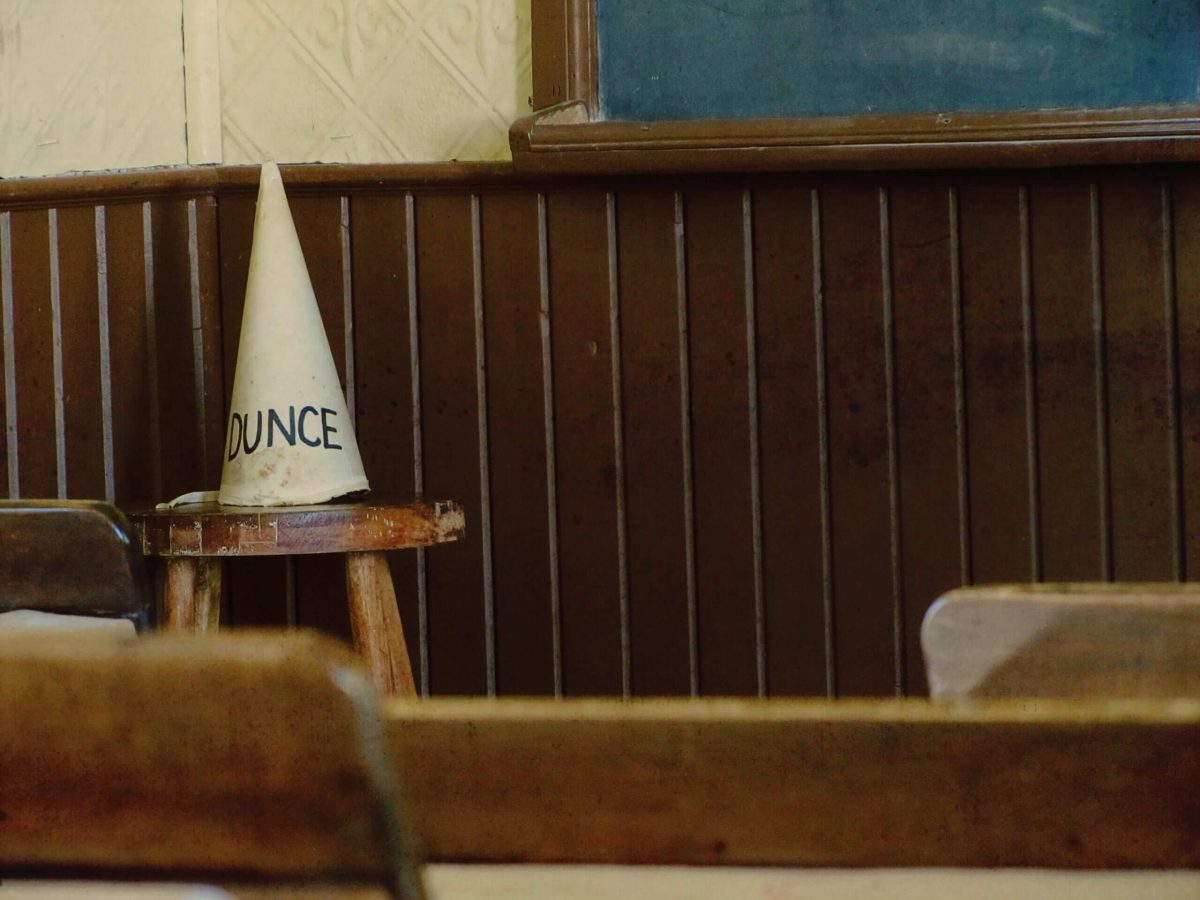
Over 1,800 math and science professors at the University of California system have signed an open letter warning that incoming freshmen are arriving unprepared for college-level work — with preparation gaps so severe that instructors are forced to reteach middle-school math in freshman calculus courses.
At UC Berkeley, 20-30% of students enrolled in early calculus face what the letter calls “severe preparation deficits.”
At UC San Diego, the number of first-year students entering with math skills below high school level has increased nearly thirtyfold over five years — now affecting almost one in eight freshmen.
“Students are entering America’s most revered university with less experience reading complex prose and a reduced capacity for focus and sustained attention.”
The crisis isn’t limited to math. Professors at Harvard reported in October that humanities and social-science students can no longer finish books they completed with ease just ten years ago. Literature instructors across campuses are shortening assigned texts because students lack the stamina to read complex prose.
Chronic Absenteeism Fuels the Collapse
Before COVID-19, about 15% of K-12 public school students were chronically absent — defined as missing 10% or more of school days. By 2022, that figure spiked to 28.5%.
Even after schools reopened, chronic absenteeism remained high at 23% in the 2024-25 school year. According to the Northwest Evaluation Association, academic achievement in 2024 remained well below pre-COVID levels.
More Money Isn’t the Answer
U.S. taxpayers already spend a trillion dollars a year on education. New York spends $31,918 per pupil — more than two and a half times Mississippi’s $12,300 — yet Mississippi’s children read better.
Over the past decade, Mississippi climbed from 49th in the nation to 9th in 4th-grade reading by returning to phonics-based instruction. The state’s 40-place leap is often called the “Mississippi Miracle,” but there’s nothing miraculous about teaching children to read using proven methods.
School Choice and Homeschooling Offer Parents a Lifeline
Thirty-one states have signed onto the Educational Choice for Children Act, a national tax-credit scholarship program launching next year. Taxpayers nationwide can donate up to $1,700 to scholarship-granting organizations and apply that donation to reduce their federal tax bill. The scholarships cover tuition at private and religious schools, textbooks, tutoring, therapy, transportation, technology, and other education costs for families earning up to three times the local median income.
Homeschooling has surged from 2.5 million students in spring 2019 to 3.41 million in 2024-2025 — now 6.3% of the school-age population. The homeschool population is growing by 2% to 8% annually.
Marriage Matters More Than Race or Poverty
A recently released American Enterprise Institute report found that children raised in intact, married-parent households are 13% more likely to receive A’s and B’s than peers in non-intact households, 47% less likely to have parents contacted for school problems, and less than half as likely to be depressed.
“Family structure is a more powerful predictor of school problems, academic performance, and depression than are race and poverty.”
Fifteen million American children — slightly more than 20% of all children under 18 — currently live without a father at home, the highest rate worldwide.
For black children, the numbers are even more distressing. Nearly 70% are born to unmarried parents, and 44% grow up in single-mother households. Despite progressives’ focus on racial disparities in social outcomes, they remain conspicuously silent about family structure and its implications.
Parents willing to fight for their children’s future have options: school choice programs in 31 states, the homeschooling surge, and above all, stable married families. The country’s future depends on parents taking action now.