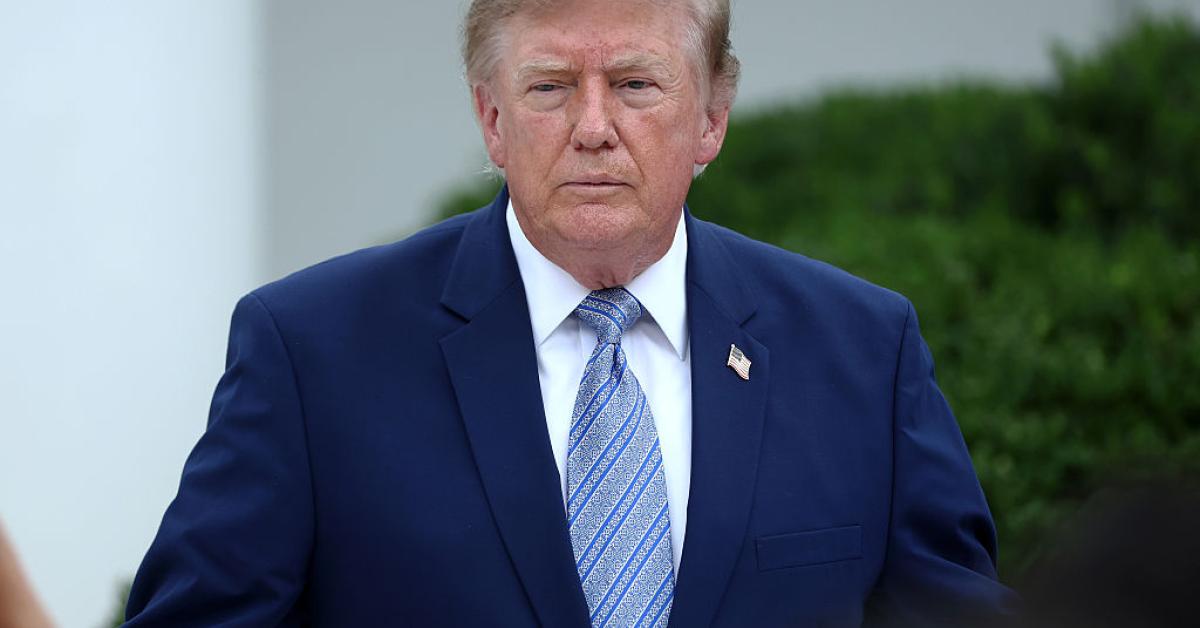
President Donald Trump told reporters Monday the ongoing war between Ukraine and Russia is driving up energy prices more than his administration’s conflict with Iran — and he’s taking action to stabilize costs ahead of the midterms.
The comments represent a significant shift in the administration’s messaging on energy markets, which have been volatile throughout the spring and summer as multiple geopolitical crises have unfolded simultaneously. Energy analysts have been divided over which conflict poses the greater threat to global fuel supplies, with some pointing to potential disruptions in Middle Eastern oil flows while others have focused on the impact of Ukraine’s sustained campaign against Russian energy infrastructure.
“The big problem is the refineries in Russia are being blown up,” Trump said.
The president confirmed he’s considering a diesel export ban to keep American fuel prices in check. He also revealed he spoke directly with Ukrainian President Volodymyr Zelensky, urging him to scale back attacks on Russian refineries that supply global diesel markets.
Ukraine has conducted dozens of drone strikes on Russian oil facilities over the past year as part of its broader military strategy to degrade Russia’s warfighting capability and cut off revenue streams funding Moscow’s invasion. These attacks have been celebrated by Ukrainian officials as legitimate military targets, but they have also removed significant refining capacity from global markets at a time when diesel inventories were already tight in both Europe and North America.
“This isn’t really a Middle Eastern problem, this is more of a Russia problem — that Ukraine and Russia are going at it and Ukraine is blowing up diesel refineries in Russia because they do a lot of refining.”
The move comes as Trump works to shift blame for rising energy costs away from the Iran war — which polling shows is deeply unpopular with voters — and onto the Ukraine-Russia conflict instead.
Russia has historically been one of the world’s largest diesel exporters, with its refining sector playing an outsized role in supplying European markets and contributing to global inventories. The disruption of even a fraction of that capacity has had cascading effects on prices, particularly for diesel fuel, which trades on global markets and is sensitive to supply shocks regardless of where they occur. The attacks have forced European countries to seek alternative suppliers and have tightened margins for American refiners who have stepped in to fill some of the gap.
With midterm elections approaching, energy prices have emerged as a top voter concern. Diesel prices directly impact trucking costs, farm operations, and shipping — all of which ripple through the broader economy.
The political stakes are considerable for Trump and Republicans heading into the midterms. Voters consistently rank inflation and cost-of-living issues among their top concerns, and fuel prices serve as one of the most visible daily reminders of economic pressure. The administration has been searching for policy levers that can demonstrate decisive action, even as economists warn that short-term interventions in energy markets often produce unintended consequences.
Trump’s call to Zelensky signals the administration is willing to pressure Ukraine to adjust its military strategy if it means lowering costs for American consumers at the pump.
The request puts the administration in a delicate diplomatic position, effectively asking a U.S. ally under invasion to limit its military options in order to serve American domestic political interests. Ukraine has relied heavily on American military aid and diplomatic support throughout the war, giving Washington leverage but also raising questions about whether conditioning that support on energy market considerations undermines broader strategic objectives.
The diesel export ban under consideration would restrict U.S. refineries from shipping fuel overseas, forcing more supply to stay domestic. Critics warn the move could backfire by disrupting global markets and inviting retaliation from trading partners.
Such a ban would represent a dramatic intervention in energy markets and could strain relationships with allies who depend on American diesel exports. Trade experts have cautioned that unilateral restrictions often lead to reciprocal measures and market distortions that ultimately hurt the countries imposing them. Previous administrations have generally avoided export bans except in the most extreme circumstances, viewing them as economically inefficient and diplomatically costly.
But Trump is betting voters will reward him for taking aggressive action on energy prices — even if it means asking an ally to pull punches against Russia.
.@POTUS: "The big problem is the refineries in Russia are being blown up. This isn't really a Middle Eastern problem, this is more of a Russia problem — that Ukraine and Russia are going at it and Ukraine is blowing up diesel refineries in Russia because they do a lot of… pic.twitter.com/5TcMmCm07B
— Rapid Response 47 (@RapidResponse47) September 28, 2026