President Donald Trump’s offensive against Latin American drug cartels is delivering real wins — and now Colombia has rejoined the fight. The cartels are burning cash on evasion tactics. Corrupt Mexican politicians face unprecedented pressure. Venezuelan dictator Nicolas Maduro — the narco-kingpin who ruled a narco-state — now sits in an American prison cell. And the United States just restored its critical counter-drugs alliance with Venezuela’s neighbor, Colombia.
The significance of this multi-pronged approach cannot be overstated. For decades, drug cartels have operated with near-impunity across Latin America, exploiting weak institutions, corrupting government officials, and building power structures that rival sovereign states. These organizations generate billions of dollars annually, fund private armies, and wield influence that extends from local police precincts to presidential palaces. The traditional law enforcement approach — treating cartels as mere criminal enterprises rather than existential threats to democratic governance — has proven woefully inadequate.
The stakes are life and death.
Brigitte Garcia’s story proves it.
Garcia was a 27-year-old nurse who became mayor of a coastal town in Ecuador. She campaigned on the basics: clean water, better tourism, safer streets. In March 2024, cartel gunmen shot Garcia and one of her staffers in the back of the head. The murders were part of a cartel terror campaign to control politicians across Ecuador through fear and forced loyalty.
Her assassination was not an isolated incident but rather part of a deliberate strategy. The cartels understand that democratic institutions pose a threat to their operations. Honest politicians who refuse bribes, journalists who expose corruption, and law enforcement officials who cannot be bought all stand in the way of cartel dominance. By systematically eliminating these voices through targeted violence, the cartels seek to create a climate where cooperation becomes the only path to survival.
Garcia wasn’t the first.
In August 2023, Ecuadorian presidential candidate Fernando Villavicencio was assassinated on cartel orders. The pattern echoes Pablo Escobar’s 1989 murder of Colombian presidential candidate Luis Carlos Galan — and Mexico’s ongoing plague of journalist killings. The lesson is brutal and clear: Latin American drug cartels seek to destroy democracy itself. They are a direct threat to stability and freedom across the Western Hemisphere.
This pattern of political violence represents more than criminal activity — it is a form of asymmetric warfare against democratic institutions. When cartels can determine which candidates live or die, which policies get enacted, and which regions fall under their control, they effectively become shadow governments. The implications extend far beyond Latin America’s borders, affecting migration patterns, economic stability, and ultimately U.S. national security.
“The cartels thus pose a clear threat to stability and freedom in the Western Hemisphere.”
That’s why Trump’s counter-cartel strategy matters. The administration has forced the cartels into expensive defensive postures. Smuggling routes have been disrupted. Financial networks have been targeted. Corrupt officials in Mexico who once operated with impunity now face real consequences. And with Colombia back in the fight alongside the U.S., the pressure on the cartels intensifies.
The financial dimension of this campaign deserves particular attention. By targeting the money laundering networks and front companies that allow cartels to legitimize their profits, the administration strikes at the foundation of cartel power. These organizations require sophisticated financial infrastructure to operate at scale. Disrupting that infrastructure forces them to divert resources away from expansion and toward survival, fundamentally altering the strategic calculus.
The Trump administration’s willingness to treat the cartels as the narco-terrorist organizations they are — rather than a law-enforcement nuisance — is changing the battlefield. Maduro’s arrest and imprisonment sent a message: the United States will hunt cartel leaders wherever they hide, even when they wear the title of president.
This elevation of cartels to national security threats rather than mere criminal justice problems represents a paradigm shift. It unlocks intelligence capabilities, military resources, and diplomatic tools that were previously unavailable or underutilized. The distinction matters operationally and strategically, allowing for a whole-of-government approach that matches the scope of the threat.
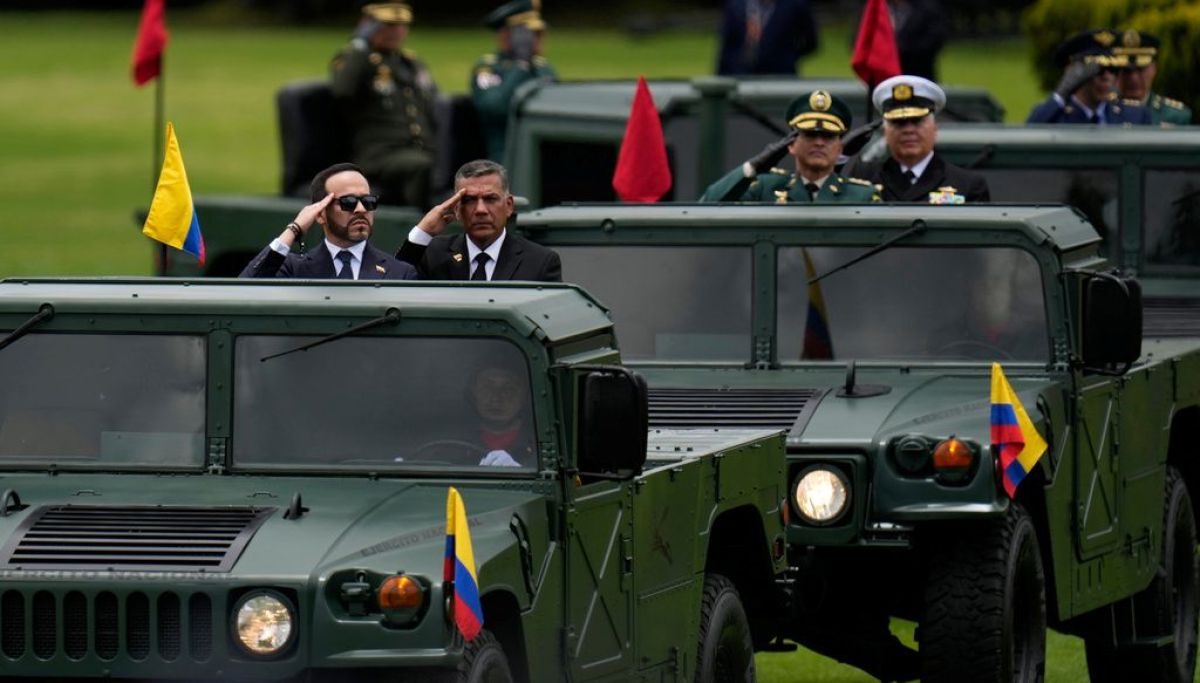
Colombia’s renewed cooperation is a force multiplier. The country has decades of hard-won experience fighting cartels and narco-insurgencies. With American intelligence, resources, and firepower combined with Colombian ground expertise, the cartels are facing a fight they haven’t seen in years.
The Colombian partnership brings institutional knowledge earned through bitter experience. Colombia’s military and intelligence services developed specialized capabilities during their long struggle against the Medellin and Cali cartels, and later against FARC narco-insurgents. This expertise in jungle warfare, urban counter-narcotics operations, and dismantling cartel networks complements American technological and intelligence advantages, creating a synergy that dramatically enhances operational effectiveness.
For patriots who watched the border dissolve into chaos under the last administration, this is what winning looks like. Trump promised to crush the cartels, secure the hemisphere, and restore American strength. He’s delivering.