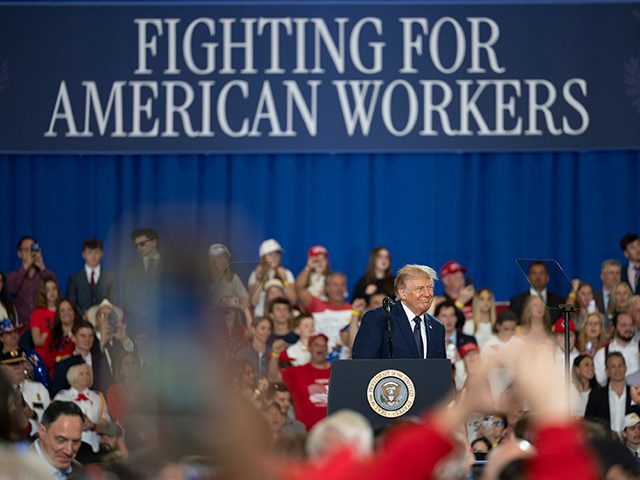
The Trump economy delivered its third consecutive month of jobs numbers that smashed expectations, adding 188,000 jobs in May while the civilian labor force actually shrank by 135,000 per month over the same period.
That’s a payroll-over-labor-force spread larger than any comparable postwar episode six years after a recession trough, according to data released Friday by the Bureau of Labor Statistics.
The three-month moving average of monthly job growth hit 188,333 in May — a level reached only 41 percent of the time in data going back to 1947. For an economy 73 months past a recession bottom, this pace of job growth has occurred in only three prior cases: the late Reagan expansion, the 1990s dot-com expansion, and the post-financial-crisis expansion.
“We’re in a jobs expansion that is unprecedented in the post-World War II economy.”
The foreign-born civilian noninstitutional population dropped by roughly 532,000 people over the past 12 months, the jobs report showed. The foreign-born labor force fell by 94,000, and foreign-born workers currently employed dropped by 107,000.
Federal government payrolls tell the other half of the story. Compared with a year ago, federal government payrolls are down by 275,000. Compared with the peak of federal employment in October 2024, payrolls are down by 346,000.
That means the net job growth isn’t being inflated by government expansion or cheap foreign labor.
Manufacturing Wages Hit 50-Year High
Weekly real wages for durable goods workers are up 3.5 percent — a pace not seen consistently since the post-war boom of 1947 to 1969. For context, real weekly gains averaged just 0.2 percent annually in the decade before the pandemic and were essentially stagnant going back to the 1970s.
Nominal weekly paychecks are up 7.4 percent year-over-year, hourly pay is up 5.3 percent, and overtime hours have jumped from 3.7 to 4.0 hours per week. The One Big Beautiful Bill’s overtime tax cut means take-home pay gains are even stronger than the gross figures.
Real durable goods output grew at a 5.8 percent annualized rate in Q1, and productivity surged at a 5.5 percent annualized rate.
Labor’s share of output fell to the lowest level ever — in data going back to 1947 — in the first quarter of this year, fueling capital investment and improved productivity.
Workers are seeing real gains funded by productivity and profit expansion rather than wage-price spiral dynamics that might trigger inflation or Federal Reserve intervention.
Warren Accuses Trump of Insider Trading — Stocks Perform In Line With Market
Sen. Elizabeth Warren complained during a Treasury hearing this week that Trump should be investigated for insider trading because his trusts bought shares of Bank of New York Mellon and Robinhood ahead of an April 6 announcement that the bank would be the financial agent for the Trump account.
Treasury Secretary Scott Bessent testified at the hearing.
Bank of New York is up around 15 percent since April 6 — the same as the S&P 500. Its competitor State Street is up almost 23 percent. Robinhood shares rose around 19 percent, but underperformed competitor Interactive Brokers, which is up 28 percent.
The stocks performed in line with the market and underperformed the closest comparable competitors.
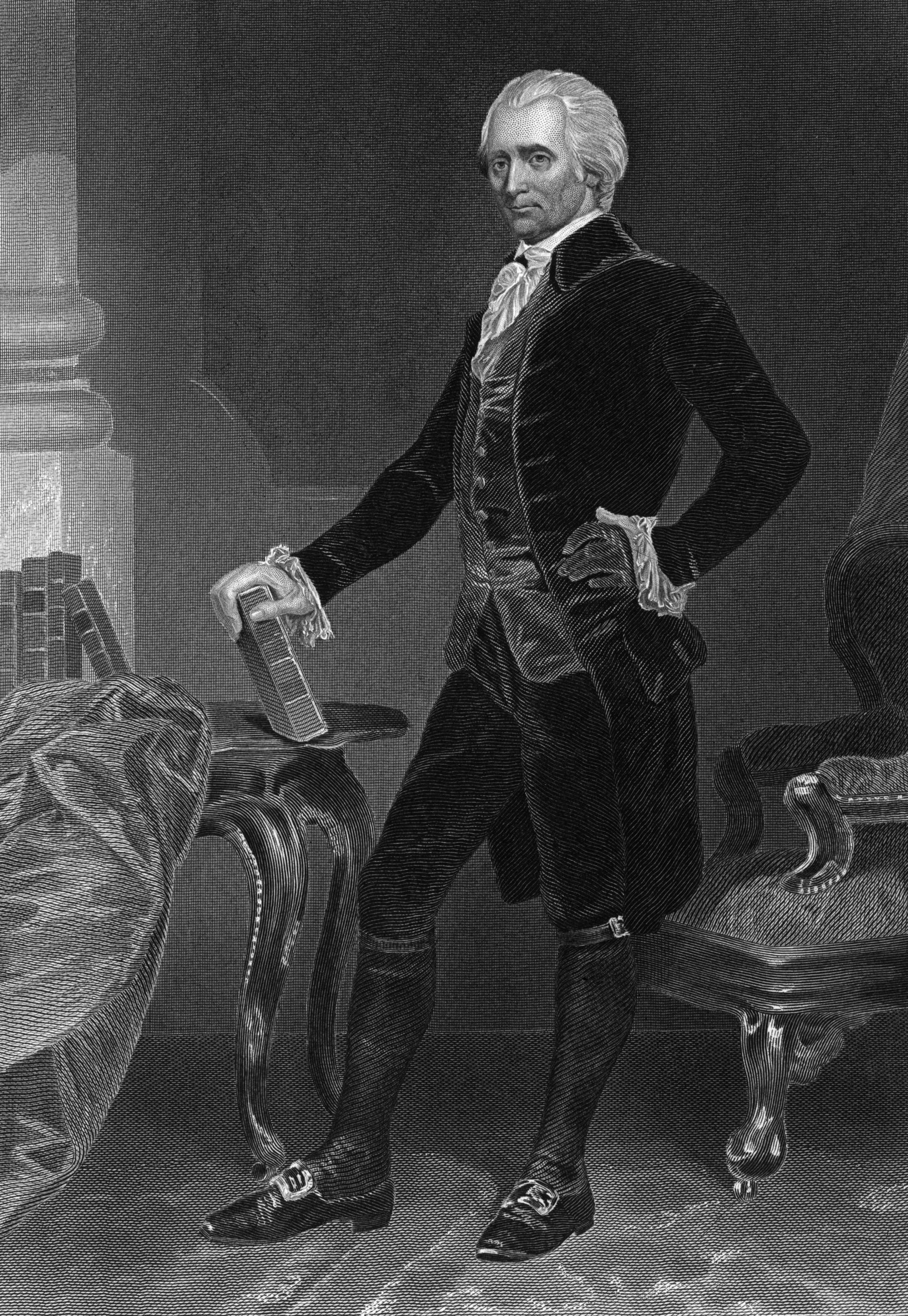
On June 7, 1776, Richard Henry Lee of Virginia introduced his resolution for independence to the Continental Congress in Philadelphia. John Adams seconded the motion.
Congress delayed the final vote until July 2, when 12 colonial delegations voted in favor. New York delegates abstained, though New York approved the resolution on July 9.
The explanatory document — the Declaration of Independence — wasn’t adopted until July 4.