
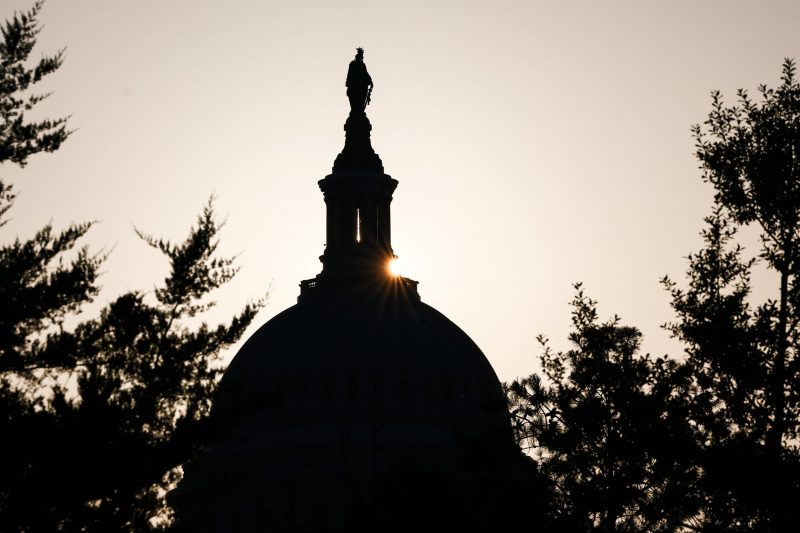
The House of Representatives is set to vote next week on the Sunshine Protection Act, a Trump-backed measure that would make Daylight Saving Time permanent across the United States.
The bill cleared the House Energy and Commerce Committee in May with a commanding 41-1 vote, signaling broad bipartisan support for ending the twice-yearly clock change.
According to Reuters, the House vote is expected next week following a notice issued Thursday. The Senate already voted unanimously in favor of permanent DST back in March 2022, but the House never took up the measure at the time.
The proposal under consideration would allow states to opt out of putting the clocks forward one hour during the summer half of the year, preserving flexibility for states like Hawaii and Arizona that already observe standard time year-round.
“This is so important in that Hundreds of Millions of Dollars are spent every year by people, Cities, and States, being forced to change their Clocks. Many of these Clocks are located in Towers, and the cost of renting, or using, Heavy Equipment to do this twice a year is prohibitive!”
President Trump made that statement on Truth Social after the House committee advanced the bill, touting the financial savings and practical benefits of locking the clock permanently.
Trump added a direct pitch to his party: “It will also be a very nice WIN for the Republican Party. Take it! We are going with the far more popular alternative, Saving Daylight, which gives you a longer, brighter Day — And who can be against that — This is an easy one!”
The President reportedly favors locking the clock on the time the country observes from March through November — Daylight Saving Time — rather than the standard time Hawaii and Arizona use year-round.
Daylight saving was first established in the U.S. in 1918 by President Woodrow Wilson, though Congress repealed it after World War I ended the next year. In 1966, President Lyndon B. Johnson signed the Uniform Time Act, re-establishing standardized DST across the country.
The House vote next week could finally end the biannual clock-switching ritual that Trump called a “ridiculous, twice yearly production.”