
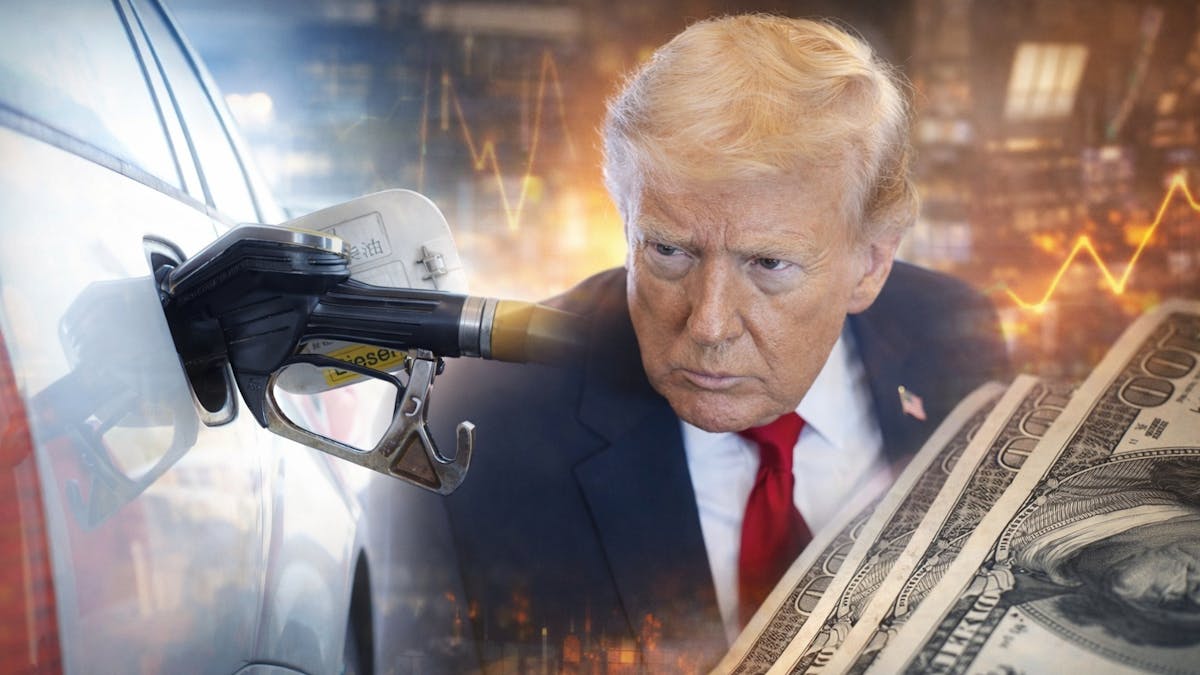
President Donald Trump secured U.S. control of more than 65 billion barrels of Venezuelan oil reserves Friday, doubling American reserves overnight and promising to slash gas prices for years to come.
The announcement marks a dramatic shift in U.S.-Venezuela relations and represents one of the most significant energy agreements in modern history. For decades, Venezuela’s vast petroleum wealth remained largely inaccessible to American interests due to diplomatic tensions, economic sanctions, and the deterioration of bilateral ties under successive socialist governments in Caracas.
Trump announced the agreement on Truth Social, calling it “THE BIGGEST OIL DEAL IN WORLD HISTORY.”
Secretary of State Marco Rubio and Secretary of War Pete Hegseth negotiated the deal with Venezuela’s interim President Delcy Rodriguez and private businesses, according to the president’s announcement. The involvement of both diplomatic and military leadership underscores the strategic importance the administration places on securing energy resources during a period of global market volatility.
“This Historic Transaction MORE THAN DOUBLES American Oil Reserves, greatly increases our Oil Supply, and will substantially lower Gas Prices for all Americans, long into the future.”
The deal comes at zero cost to American taxpayers and strengthens the relationship between Washington and Caracas following the Trump administration’s dramatic removal of narco-dictator Nicolás Maduro earlier this year. The no-cost structure represents a departure from traditional foreign energy investments that typically require substantial upfront government expenditures or loan guarantees.
U.S. forces captured Maduro and brought him stateside to face federal narcoterrorism and drug-trafficking charges. Since his removal, Trump has repeatedly emphasized Venezuela’s massive petroleum reserves — the largest proven oil deposits in the world. The president’s focus on Venezuela’s energy potential has been a consistent theme in his public statements about the country’s post-Maduro future and its role in stabilizing global energy markets.
Venezuela possesses roughly 303 billion barrels of crude oil beneath its territory, according to the U.S. Energy Information Administration. The 65 billion barrels Trump secured represent a substantial portion of the country’s known reserves. This quantity alone exceeds the total proven reserves of many major oil-producing nations and represents a transformative addition to American energy security.
Despite holding roughly 17% of the world’s oil reserves, Venezuela produces only about 1% of global oil due to economic collapse, sanctions, government mismanagement, and deteriorating infrastructure that crippled the industry under socialist rule. The country’s production peaked at over 3 million barrels per day in the late 1990s but has since fallen dramatically. Reversing this decline will require substantial investment and technical expertise to rehabilitate aging refineries, drilling equipment, and transportation networks.
The timing lands as Americans face $4.09 per gallon gasoline prices and the Trump administration manages economic fallout from the war with Iran. The conflict has disrupted global oil markets through the Strait of Hormuz, a critical shipping corridor for crude. The strait typically handles roughly one-fifth of global petroleum shipments, and any sustained disruption there creates ripple effects throughout international energy markets, affecting prices at American pumps within weeks.
Oil prices have risen sharply since the conflict began. The United States has drawn down its Strategic Petroleum Reserve to levels not seen in decades — below 300 million barrels earlier this month, more than 100 million barrels below its level at the beginning of 2026. The depletion of strategic reserves has left the country with reduced flexibility to respond to future supply shocks or emergency situations, making new sources of accessible oil particularly valuable from a national security perspective.
Trump did not identify the private businesses participating in the deal or provide details about how the United States would exercise majority control over the reserves. Any effect on supply will depend on how quickly American companies can invest in Venezuela’s long-neglected oil infrastructure and expand production. Industry analysts typically estimate that significant production increases in dormant or damaged oil fields require multi-year development timelines, though the exact schedule will depend on the specific condition of Venezuelan facilities and the scale of investment committed.
The president has repeatedly argued that increasing American energy production and securing reliable supplies from friendly nations can bring gas prices back down. The Venezuela agreement could deliver on that promise if development moves quickly. Energy independence and affordable domestic fuel prices have been central pillars of Trump’s economic policy since his first term, and this deal represents perhaps the most ambitious attempt yet to achieve those goals through international partnerships.
“This Transaction will greatly strengthen the already growing relationship between Venezuela and the United States,” Trump wrote.