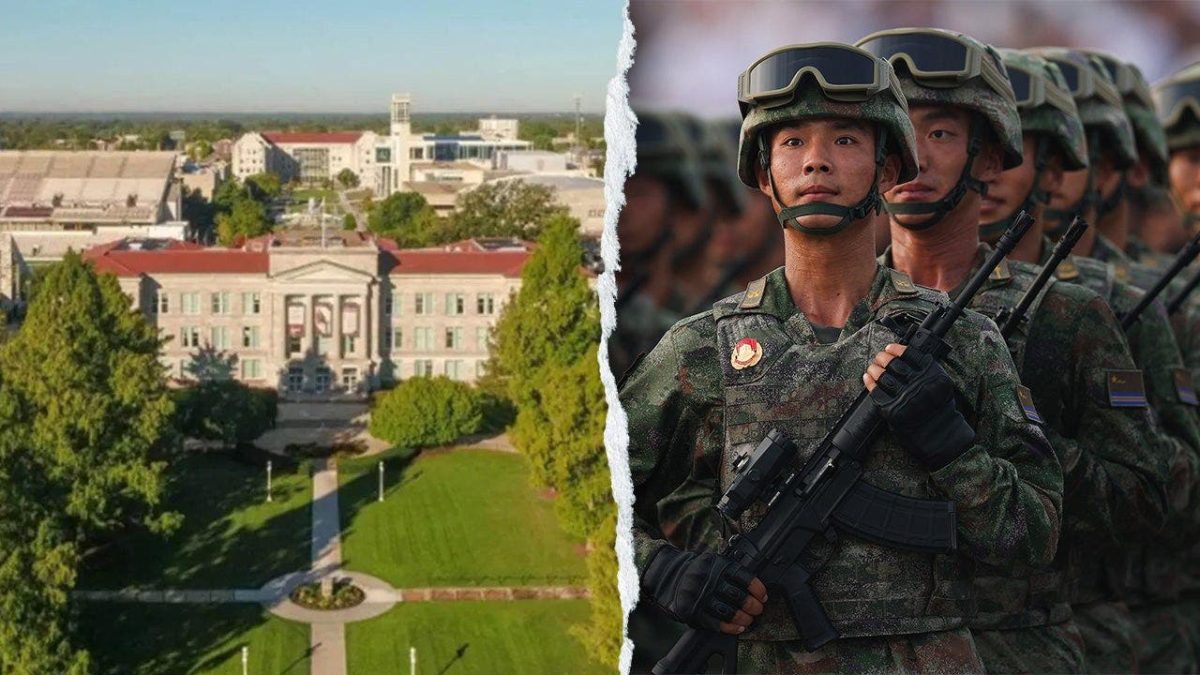
A public university in the American heartland allegedly spent more than two decades educating executives tied to China’s military-industrial complex — using a business program that may have received taxpayer support.
The report, titled Heartland for Hire, compiled by geopolitical research firm Strategy Risks, alleges Missouri State University operated an MBA and Executive MBA pipeline that trained more than 1,500 Chinese executives, government officials, and state-owned enterprise managers beginning in 2001.
Among them: personnel connected to China’s defense sector.
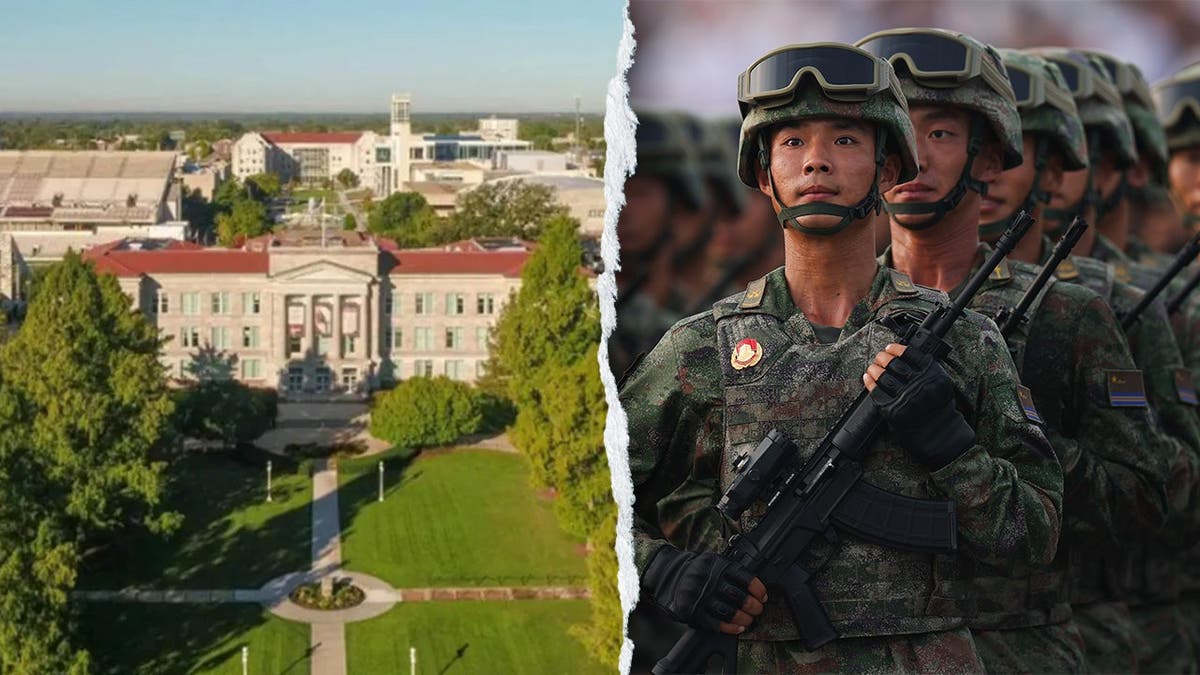
Graduates included executives linked to Aviation Industry Corporation of China (AVIC), China’s largest state-owned aerospace and defense conglomerate.
AVIC has been designated by the U.S. Defense Department as a Chinese military company. It has faced U.S. sanctions and investment restrictions over its ties to Beijing’s military establishment.
“One of the most significant features of this program is that the CCP – and not MSU – selected the students.”
According to the report, participants were largely recruited and selected through Chinese government agencies, state-owned enterprises, and CCP-linked organizations — not through the university’s standard admissions process.
Chinese government documents described the partnership as a “China-U.S. state-to-state cooperation project.”
The report identified graduates who later held positions at U.S.-restricted organizations, including AI company iFLYTEK. The partnership allegedly continued after some participating entities were added to U.S. restriction lists.
Chinese recruiting materials described portions of the program’s costs as being covered by U.S. government or Missouri state-supported subsidies, potentially amounting to tens of millions of dollars. However, the report acknowledges that no public U.S. records confirm those taxpayer-funded payments and that the total amount cannot be independently verified.
Missouri State University denied that any taxpayer dollars were used to fund the program.
A university spokesperson said students admitted to the program were required to comply with all student visa regulations administered by the U.S. State Department. The spokesperson added that students studied a “conventional business curriculum” with no evidence of espionage, intellectual property theft, misconduct, false affiliations, or complaints of harassment.
The report’s authors argue the program occupied a blind spot in Washington’s scrutiny of U.S.-China academic ties.
“Congressional and executive branch attention to American universities’ ties to the CCP has been focused almost entirely on three areas: STEM research theft, issues involving free speech and harassment of Chinese students, and Chinese military-affiliated graduate students in defense-relevant doctoral programs.”
The cadre training problem falls into a gap between existing oversight frameworks, according to the report.
Amid growing alarm over Chinese influence in higher education, the report raises fresh questions about national security risks and foreign interference on college campuses.
Lawmakers have introduced legislation aimed at limiting Chinese influence. In June, Rep. Pat Fallon, R-Texas, introduced the Espionage Protection Act, which would prohibit federal funding for university intelligence-related programs if schools maintain relationships with organizations alleged to have ties to the CCP.
Following his meeting with Chinese President Xi Jinping in Beijing, President Donald Trump said he is not in favor of banning Chinese students from studying in the United States. Trump told Fox News’ Sean Hannity that the move would strain relations with China.
More than 260,000 Chinese students were enrolled at U.S. colleges and universities during the 2024–25 academic year, according to the Institute of International Education’s Open Doors Report.