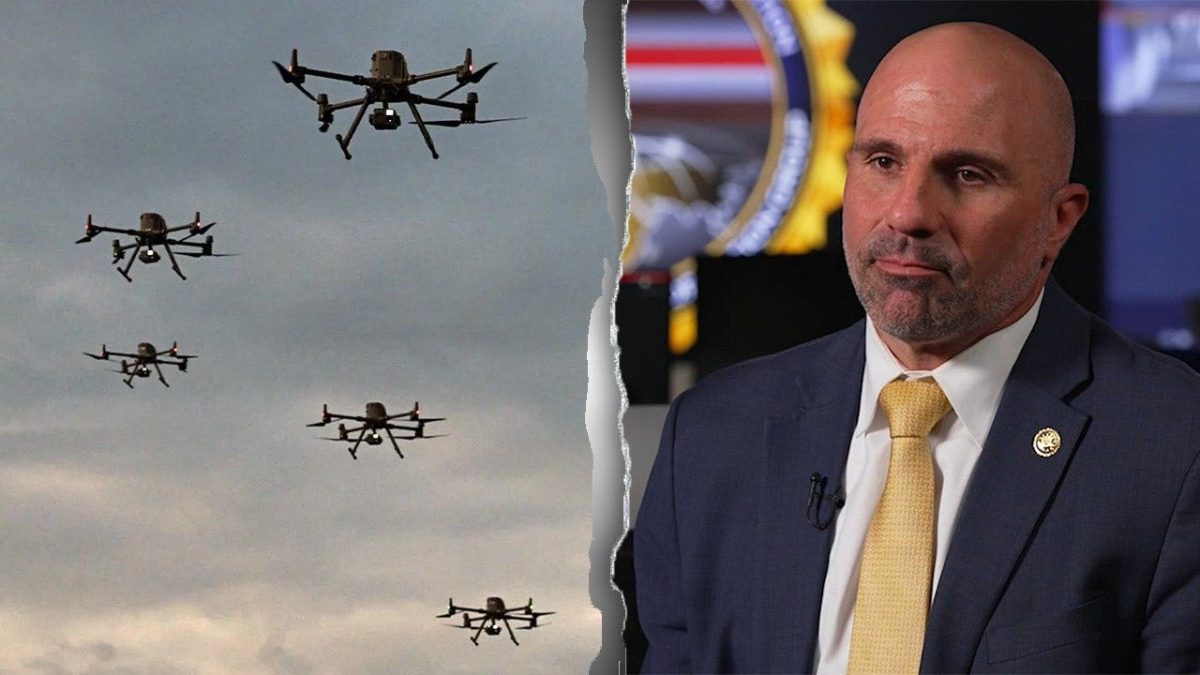
The battlefield-style drone attacks devastating Ukraine and the Middle East are heading to American soil — and federal investigators say they’re racing to prepare for a threat that could see terrorists operating drones over U.S. cities from halfway around the world.
“It’s only a matter of time before somebody brings that type of attack, that threat vector here to the United States,” FBI Deputy Director Chris Raia told Fox News Digital.
“I think the biggest threat right now, kind of the five-yard target, if you will, is going to be that threat from a drone.”
The warning comes as federal authorities grapple with rapidly evolving drone technology that’s giving lone actors capabilities once reserved for sophisticated military systems. In Ukraine, relatively inexpensive drones have transformed modern warfare — carrying out surveillance, targeting, and attack missions that used to require million-dollar weapons platforms.
Now that same technology is commercially available to anyone.
Raia’s chief concern: the next generation of drones operating on 5G and LTE cellular networks rather than short-range radio links. That shift would allow operators to control aircraft from thousands of miles away — making it far harder to identify attackers and disrupt plots before they unfold.
“That means somebody in China can control a drone over New Orleans,” Raia said.
The FBI is securing the FIFA World Cup — one of the largest domestic security operations in recent U.S. history — and agents have already seized more than 300 drones and made eight arrests tied to unauthorized drone activity during the tournament.
Federal prosecutors say the threat isn’t theoretical. Court records allege members of the disrupted UFC conspiracy discussed using explosive-laden drones to trigger a mass evacuation at the White House event. A newly charged defendant allegedly exchanged messages about acquiring drones, payloads, and specialized equipment for the operation.
The alleged UFC plot began with a tip from a concerned parent — Tycen Proper’s mother — who contacted authorities about her son’s online activity. After obtaining a warrant for Proper’s phone, investigators uncovered what prosecutors describe as an alleged network of encrypted chats discussing drone operations, sniper positions, rendezvous points, and attack planning.
Court records show Proper’s phone allegedly contained a primary Signal chat with approximately 19 participants, along with smaller operational chats organized by role and location.
For Raia, the case highlighted another challenge: encrypted communications platforms largely hidden from law enforcement scrutiny.
“That is a gap for us in encrypted communications platforms,” Raia said, acknowledging investigators don’t have visibility into every encrypted conversation where criminal activity may be occurring.
The FBI is attempting to close that gap through confidential human sources, undercover operatives, and public tips. Raia encouraged drone hobbyists to report suspicious activity — noting they’re often better positioned than federal agents to spot operators behaving abnormally.
Former FBI official Dan Bongino recently issued a similar warning, arguing that commercially available drone technology is evolving faster than traditional security can adapt.
“This technology is evolving on probably weekly, if not monthly cycles now,” Bongino said. “And don’t think that people looking to commit malicious acts, terrorists and others, haven’t picked up on this. It’s cheap. It’s very difficult to defeat.”