
A federal judge ruled Thursday that Democrat-led states and voting rights groups can challenge President Donald Trump’s executive order on mail-in voting — but only for the upcoming 2026 midterm elections.
U.S. District Judge Indira Talwani rejected the Trump administration’s push for total dismissal of the lawsuits, finding that the rapidly closing window ahead of the November 3rd midterms justifies immediate judicial review.
“Postponing a review of the policy would be impracticable and could inflict hardship on the plaintiffs as state election officials scramble to prepare for upcoming primaries and the fall vote.”
But Judge Talwani simultaneously limited the litigation by dismissing all claims concerning elections beyond 2026, ruling that because federal agencies are still working out how to implement the policy, the long-term impact remains too speculative for courts to handle now.
The lawsuits target Trump’s March 31st executive order, titled “Ensuring Citizenship Verification and Integrity in Federal Elections.” Nearly two dozen states and groups like the League of Women Voters filed the challenges in April.
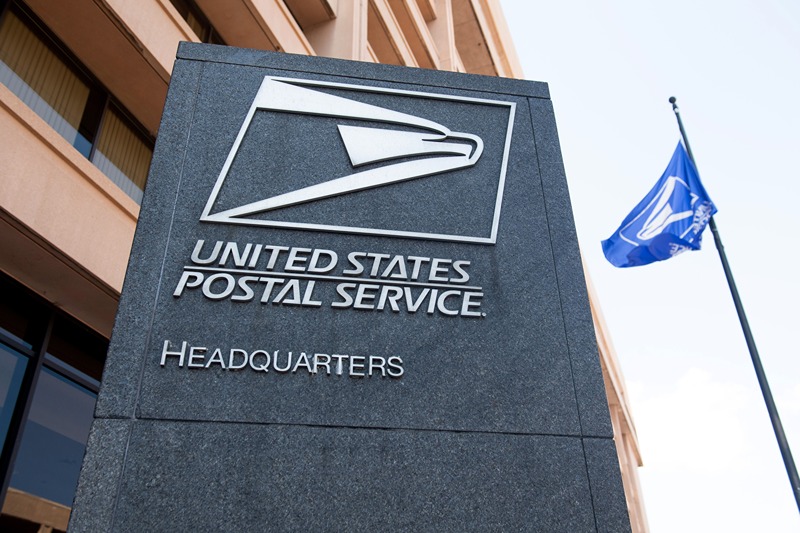
The directive orders the Department of Homeland Security to compile database-derived lists of confirmed U.S. citizens and transmit them to the states. The order instructs the U.S. Postal Service to only deliver mail-in ballots to voters explicitly verified on those federally approved lists.
The ruling in Boston follows a separate decision late last month in Washington, D.C., where U.S. District Judge Carl Nichols declined a request to temporarily block the executive order on the grounds that federal agencies had not yet fully executed its provisions.
Since then, federal entities have moved forward with preliminary steps. The USPS recently introduced proposed rules requiring states to provide specific voter names and tracking barcodes tied to their mail-in ballots.
To build the citizenship database, the DHS has to cobble together records from separate federal systems, such as the Social Security Administration and immigration records. The federal government does not maintain one single, master list of every American citizen.
State election officials now face tight deadlines to prepare for primaries and the fall vote under the new verification requirements.