The Federal Reserve isn’t budging on interest rates despite President Trump’s Iran ceasefire deal and falling oil prices — a stark signal that inflation remains the central bank’s top concern heading into the second half of 2026.
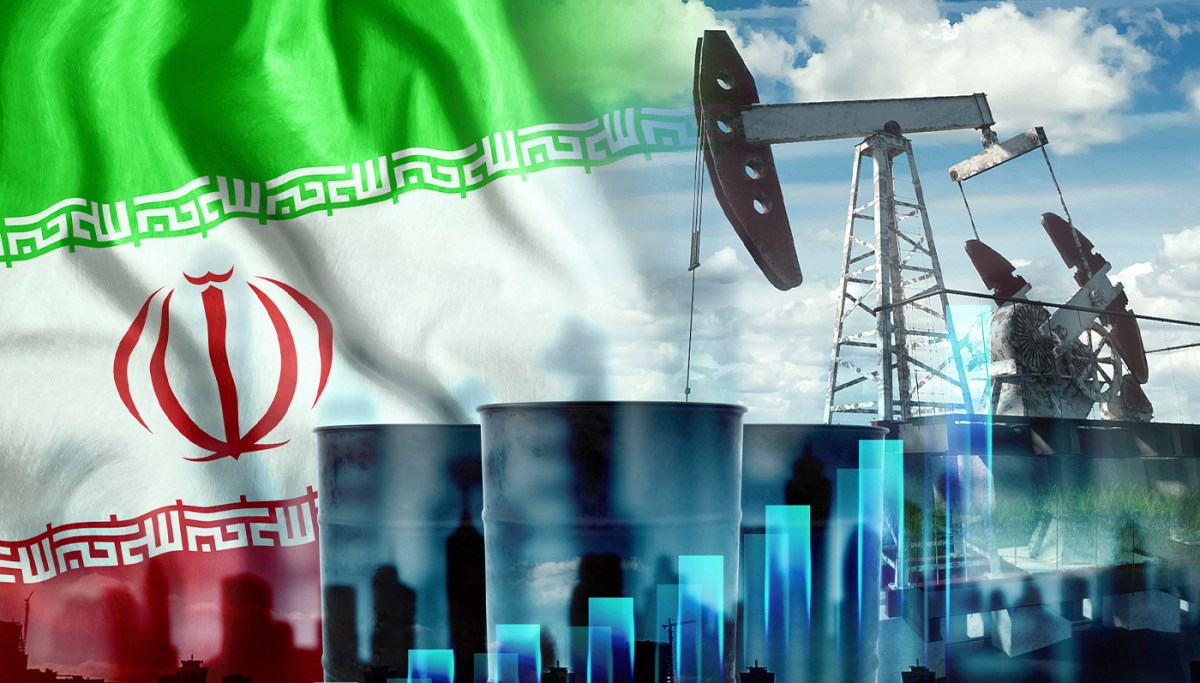
Trump recently announced the planned signing of a ceasefire deal between the U.S. and Iran. Days after the announcement, crude prices dropped below $80 per gallon for the first time since March.
But investors still don’t believe the diplomatic breakthrough will push inflation low enough this year to trigger the rate cut Trump has long sought.
“One thing would be that there’s uncertainty as to whether this deal is going to stick or whether oil prices might go back up.”
Desmond Lachman, a senior fellow at the American Enterprise Institute, told the Washington Examiner that uncertainty around the deal’s durability is keeping the Fed cautious.
Inflation has mounted quickly since the start of hostilities in the Middle East. Consumer price index inflation rose four-tenths of a percentage point to 4.2% for the year ending in May — the highest rate of annual inflation since April 2023. In just the month of May, prices rose 0.5%.
The Producer Price Index showed an even sharper jump: inflation lurched eight-tenths of a percentage point to 6.5% for the year ending in May, according to the Bureau of Labor Statistics.
Core inflation — stripping out volatile food and energy prices — rose one-tenth of a percentage point to 2.9% for the year ending in May. That’s nearly a full percentage point above the Fed’s 2% target.
Dennis Lockhart, former president of the Federal Reserve Bank of Atlanta, noted that the Fed’s inflation problem predates the Iran war.
“The Fed had an inflation problem before the Iran war, and the economic circumstances still suggest prioritizing inflation,” Lockhart told the Washington Examiner.
The Fed’s 2% inflation target hasn’t been met since February 2021, as the economy emerged from the COVID-19 pandemic. Just this past December, inflation was running at 2.7%. In January and February, it was running at 2.4%.
Lachman pointed out that Trump’s aggressive tariff policies are also complicating the inflationary landscape. He predicted it would take considerable time before inflation falls back to the 2% goal.
“I think it’s going to take a long while, because you know … they’ve been pushing up the prices with the tariffs; there are a whole bunch of things going on,” Lachman said.
Even with oil prices dropping in response to the peace agreement, some economists believe energy prices will remain elevated longer than expected.
Ryan Young, senior economist at the Competitive Enterprise Institute, told the Washington Examiner he expects oil prices to remain high at least into 2027. Oil and energy infrastructure destroyed during the war will take time to rebuild, affecting regional supply.
Jamie Cox, managing partner for Harris Financial Group, highlighted concerns about the Strategic Petroleum Reserve and other uncertainties.
“In addition, just because the war is over does not mean that the negative oil supply effects are — since there is a lag in how oil flows, prices will remain higher until supplies on things like the refill of the SPR are complete,” Cox told the Washington Examiner.
Investors also worry the ceasefire deal could collapse, sending oil prices surging again.
“There’s much yet to happen in the agreement with Iran that could derail it, so you may see the markets being somewhat cautious about just jumping to a conclusion that this necessarily spells lower inflation, lower pressure on the Fed, and so forth,” said Lockhart, who worked with new Fed Chairman Kevin Warsh for several years at the Fed.
The labor market’s continued strength gives the Fed more room to focus on inflation rather than employment. The economy added 172,000 new payroll jobs in May, the Bureau of Labor Statistics reported. The unemployment rate remained at a relatively low 4.3%.
The April Job Openings and Labor Turnover Survey showed job openings increased from 6.9 million in March to 7.6 million in April — the highest level since May 2024. The reading was much higher than anticipated.
“The economy is hot, the financial markets are booming, there’s a lot of support to the economy, so you know that doesn’t surprise me that they’re still thinking that maybe a rate hike is needed,” Lachman said.