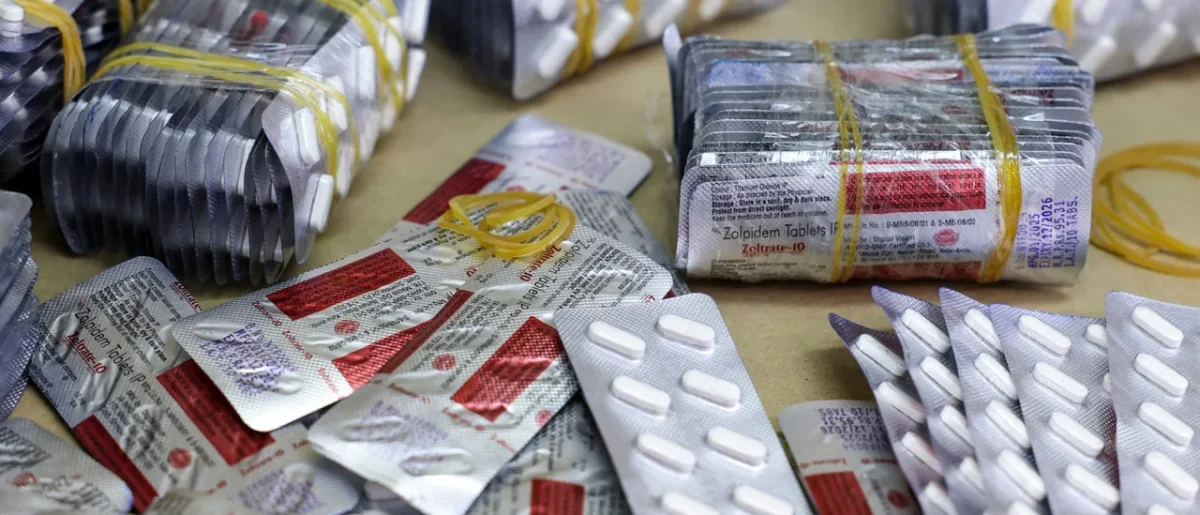
The Drug Enforcement Administration knowingly allowed hundreds of thousands of fentanyl pills to cross into New Mexico while building a major trafficking case — and a whistleblower DEA agent says the agency “100% got people killed.”
DEA Special Agent David Howell and a former DEA supervisor told the Associated Press that the agency had detailed knowledge of fentanyl shipments crossing the border from 2023-2025 but chose not to seize them. Instead, the DEA reportedly used the information to build what eventually became the largest fentanyl bust in agency history — around 3 million pills seized in May 2025.
“We poisoned our community to make cases. Through our own willful blindness, we get to say, ‘We don’t really know what happened to the drugs.’ But we 100% got people killed.”
Alex Uballez, the U.S. attorney for New Mexico from 2022 to 2025, defended the practice to AP, arguing that catching “bigger fish” will ultimately “save more lives.”
But the former DEA supervisor told the outlet that the amount of fentanyl seized in the final bust “was hitting the streets every month while that case was going on” — and that the agency could have dismantled the trafficking network six months earlier.
In one documented instance, agents observed but did not stop a 74,000-pill drug deal at an Albuquerque trailer park.
Howell filed a whistleblower complaint in 2023, claiming the DEA knowingly allowed 1.8 million fentanyl pills to cross the border. He later told the Justice Department’s Office of Professional Responsibility in 2024 about two separate instances where the DEA did not seize deliveries of 150,000 and 50,000 fentanyl pills.
The Justice Department concluded that same year that the federal law enforcement’s inaction posed no “specific danger to public health.”
That conclusion came as New Mexico overdose deaths surged 21 percent — the largest increase of any U.S. state in 2025, even as national overdose deaths declined by 14 percent.
The DEA rejected the whistleblower’s characterization in a statement to the Daily Caller, calling public descriptions that the agency “knowingly permitted fentanyl to reach communities” false. The agency said independent reviews concluded the investigative decisions were “lawful, reasonable under the circumstances, and consistent with Department guidance.”