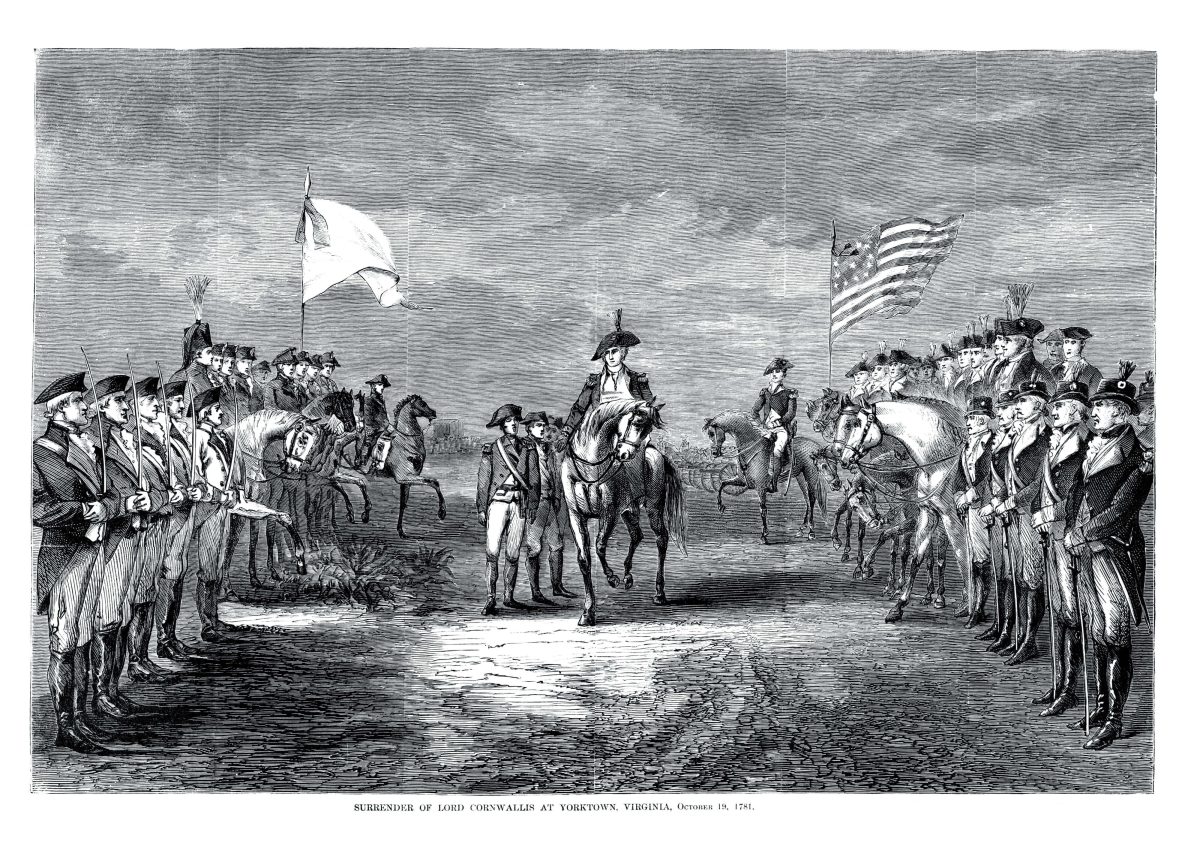
Few experiences compare to being a Brit living in America as the nation celebrates the 250th anniversary of declaring independence from — well, Britain.
It’s like being invited to your ex’s golden wedding anniversary. You’re genuinely pleased they’ve done well, but someone inevitably stands up and reminds the room why they left.
Every Fourth of July, the scene repeats. Neighbors set off fireworks like medieval artillery officers. Children wave stars and stripes. Someone grills enough meat to feed a small European nation. Then comes the reading of the Declaration of Independence — a magnificent piece of political writing, even if it still sounds like a rather strongly worded letter from across the Atlantic.
As an Englishman, I’ve learned not to take it personally.
Britain has had 250 years to recover. We’ve moved on. Mostly. We even stopped calling the colonies “that little misunderstanding across the Atlantic.”
EVERY NATION NEEDS AN ORIGIN STORY, AND AMERICA’S IS UNUSUALLY CLEAR: A DATE, A DOCUMENT, AND DETERMINED GENTLEMEN WHO DECIDED TAXATION WITHOUT REPRESENTATION HAD BECOME INTOLERABLE.
Britain’s story is less tidy. We began somewhere in the fog of Roman roads, Saxon villages, Viking raids, Norman castles, civil wars, and royal family drama. America tells its story with fireworks, flags, speeches, and parades. It’s loud, sincere, sentimental, and occasionally covered in barbecue sauce.
Gloriously American.
Speaking of cultural differences — no divide runs quite as deep as watching an American microwave water for tea and drink it from a foam cup. There are moments when British instincts feel less patriotic than missionary. Even George Orwell agrees. Tea is not merely a beverage. It’s a civilization.
Still, America forgave Britain for King George III. I can forgive America for the microwave.
Over the years, America has become home. My children and grandchildren call this nation home. I’ve stood beside firefighters, police officers, pastors, professors, students, entrepreneurs, and ordinary families building meaningful lives.
Beneath the jokes and stereotypes, Americans possess something deeply admirable: an optimism that refuses to believe tomorrow cannot be better than today.
Britain possesses a magnificent ability to assume everything will probably go wrong while calmly carrying on regardless. Americans say, “We can change the world!” The British reply, “Perhaps, but bring an umbrella.”
Somewhere between those two philosophies lies wisdom. America needs British realism, and Britain could use a little American confidence.
That’s why this anniversary matters.
The remarkable thing about America 250 is not merely that the colonies broke away from Britain. History is filled with revolutions and rebellions. The remarkable thing is what happened afterward.
YESTERDAY’S ENEMIES BECAME TODAY’S CLOSEST FRIENDS. THE FORMER PARENT AND REBELLIOUS CHILD DISCOVERED THAT MATURITY LOOKS LESS LIKE RESENTMENT AND MORE LIKE PARTNERSHIP.
America and Britain have stood together through two world wars, the Cold War, terrorism, humanitarian crises, scientific breakthroughs, and economic cooperation. We share more than a language, although we continue to disagree over how to pronounce half of it.
We share legal traditions, democratic habits, literature, music, commerce, scholarship, and an enduring belief that liberty is worth defending.
In his Sinews of Peace address, Winston Churchill famously described the deep bond between the English-speaking peoples. The phrase “special relationship” has survived because it names something real. It’s not perfect. But it has proved resilient because it rests on memory, sacrifice, institutions, and a shared moral imagination.
America and Britain have often argued, but we’ve shown the world that former adversaries can become allies without pretending the past never happened.
That lesson feels especially important now. In an age when public life is fueled by grievance, suspicion, and permanent outrage, the Anglo-American story offers a quieter and better possibility.
Reconciliation is more impressive than revenge. Cooperation requires more maturity than contempt. Any fool can inherit a quarrel. It takes wisdom to build a friendship from it.
Perhaps that’s why I smile every Independence Day. Not because Britain lost. Not because America won. But because both nations eventually discovered that partnership accomplishes far more than perpetual resentment.
The fireworks no longer feel like a personal attack. They remind me that liberty, rightly ordered, can outgrow conflict and create friendship.
This year, as fireworks illuminate the American sky and patriotic songs fill town squares from sea to shining sea, this British immigrant who became an American citizen will stand with hand over heart — grateful for the nation that welcomed my family and the nation that raised me.
Two countries. One remarkable friendship. Happy 250th, America. No hard feelings.
And if anyone would like to celebrate with a proper cup of tea, I’ll bring the kettle. Please, however, do not microwave the water. Some wounds take longer than 250 years to heal.