Rep. Alexandria Ocasio-Cortez (D-NY) wants taxpayers to fund “tuition-free public colleges and universities” across America — and claims the baby boomer generation already gave themselves that deal.
The proposal represents one of the most ambitious education policy goals circulating among progressive Democrats, who argue that the current system has transformed higher education from a public good into an unaffordable luxury that saddles young Americans with crushing debt before they even enter the workforce.
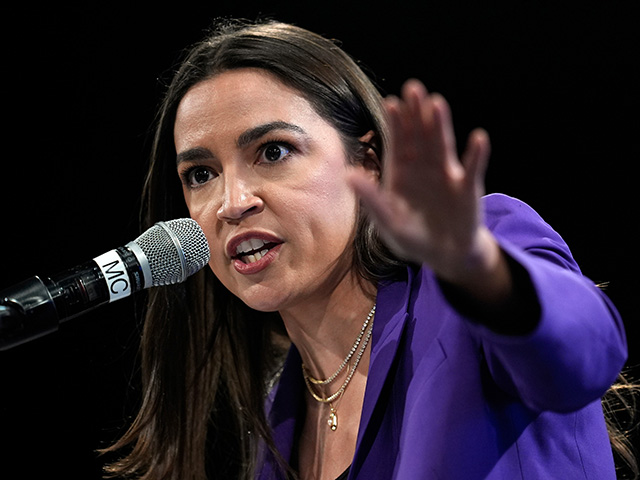
Speaking at a “Students vs. Billionaires Town Hall” event Sunday hosted by More Perfect Union, AOC was asked what Democrats are doing to make college affordable as Cornell University recently broke $100,000 a year for tuition.
The six-figure price tag at Cornell represents a symbolic threshold in American higher education, underscoring how far costs have outpaced inflation and wage growth over recent decades. The figure includes not just tuition but room, board, fees, and other expenses that comprise the total cost of attendance at elite private institutions.
The congresswoman expressed shock at the number, calling it “far more than what many households make in a year in this country.”
She blamed colleges for running “more of a real estate investment strategy, than an educational strategy” — pouring money into “new buildings, and facilities that are often marketed as luxury” while adjunct faculty are “barely paid a living wage.”
This criticism echoes a growing body of research examining how universities compete for students through amenities rather than educational quality. The so-called “amenities arms race” has seen campuses invest billions in recreation centers, luxury dorms, and dining options while increasingly relying on underpaid adjunct professors rather than tenure-track faculty to teach courses.
“THE BEST THING THAT WE CAN DO TO REIN IN RUNAWAY COST AT PRIVATE INSTITUTIONS IS BY HAVING FIXED, AFFORDABLE, HIGH-QUALITY SERVICES OF PUBLIC INSTITUTIONS. WHICH MEANS, TUITION-FREE PUBLIC COLLEGES AND UNIVERSITIES ACROSS THE UNITED STATES OF AMERICA.”
Then came the kicker: AOC argued this isn’t a radical new idea — it’s what boomers already enjoyed.
“For anyone who wants to say that that’s pie in the sky and unrealistic and just another expensive, progressive wish list, this is literally what baby boomers gave themselves,” Ocasio-Cortez said. “Public colleges in America were tuition free, they were tuition free in the sixties and in the seventies.”
The historical comparison is more nuanced than the soundbite suggests. While many state universities charged nominal or no tuition during that era, particularly in states like California and New York, students still paid various fees and living expenses. The era also featured far fewer Americans attending college overall, with taxpayers supporting a smaller system through robust state funding that has since been dramatically cut.
She then pivoted to a familiar left-wing talking point: “And, just like many things, like public housing and public education, you know when they started to get defunded? They got defunded when they started to get integrated, racially integrated.”
This argument ties education policy to broader questions about race and public investment in America, suggesting that political will to fund universal public goods has historically diminished when beneficiaries became more diverse. The claim connects to academic research on how demographic changes have influenced public spending priorities, though the relationship between integration and defunding remains contested among historians and policy experts.
Ocasio-Cortez has previously defended the idea of “free college for all children in the United States, even for wealthy families.”
That universalist approach distinguishes her position from means-tested alternatives that would provide free tuition only to students below certain income thresholds. Proponents argue universal programs build broader political coalitions and avoid the stigma and bureaucratic complexity of means-testing, while critics see it as wasteful to subsidize education for those who can afford to pay.
The proposal raises immediate questions: Who pays when “free” college scales nationwide? How does flooding the system with federal dollars prevent the same cost inflation plaguing healthcare and student loans? And does making college free for billionaires’ kids alongside working-class families actually serve the middle and low-income students AOC claims to champion?
These questions point to fundamental tensions in the proposal that supporters have yet to fully address. Critics warn that without addressing underlying cost drivers, simply making college “free” could lead to rationing through other means, potentially limiting access or quality. The comparison to healthcare is particularly pointed, given how Medicare and Medicaid have struggled to contain costs despite significant government involvement.
For now, the congresswoman’s plan remains a progressive wish-list item — one that would require massive federal spending and bipartisan support she doesn’t have.
The political reality is that such a program would likely cost hundreds of billions of dollars annually, requiring either significant tax increases or reallocation of existing federal spending. With Republicans controlling key levers of power and even many moderate Democrats skeptical of such sweeping proposals, the path from activist rhetoric to actual policy remains unclear.
.@AOC: The best thing that we can do to rein in runaway cost at private institution is by having tuition free public colleges and universities.
“For anyone who wants to say that that’s pie in the sky and unrealistic… this is literally what baby boomers gave themselves.” pic.twitter.com/mvfnR9SCsc
— More Perfect University (@MPUniversityUS) September 27, 2026