
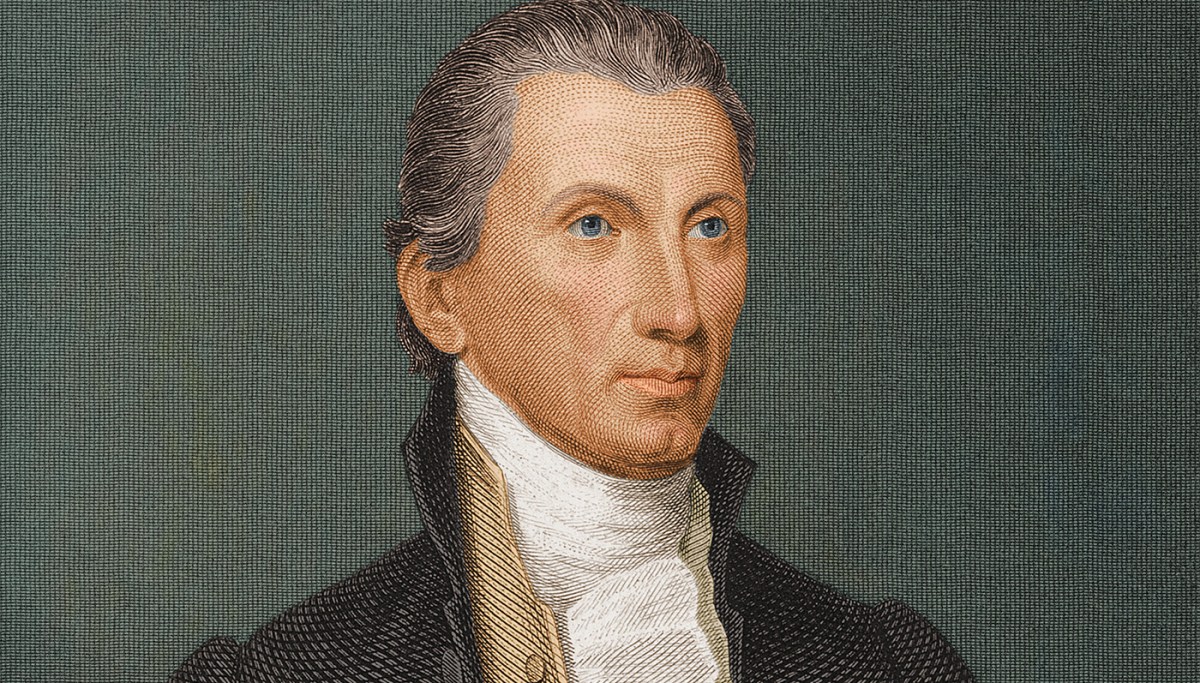
As America races toward its 250th birthday on July 4, 2026, one Founding Father remains conspicuously absent from the celebration: James Monroe.
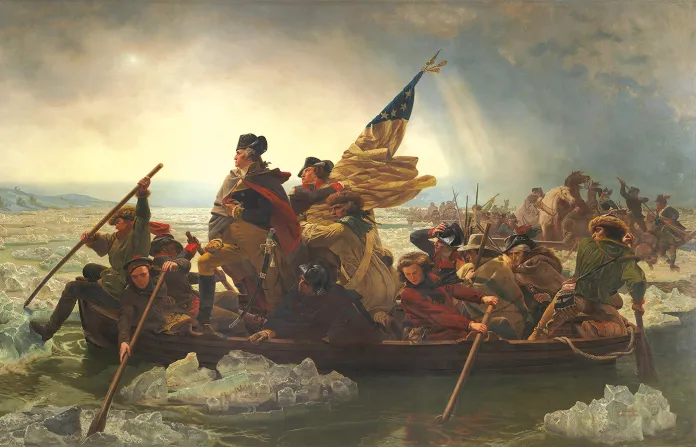
Monroe was the last of the Virginia dynasty to serve as president. He fought at the Battle of Trenton with George Washington, negotiated the Louisiana Purchase under Thomas Jefferson, and served as both secretary of state AND secretary of war simultaneously when the British burned Washington in 1812.
Yet history remembers him as “the Last Cocked Hat” — a relic in knee breeches and powdered wigs long after they went out of style.
Monroe died broke and forgotten at 73, forced to move in with his daughter after tuberculosis ravaged him. Even his death lacked drama — he expired on July 4, just like Adams and Jefferson before him, but without the fanfare.
“Monroe was boring, stable, and reliable. But we as a country are better for it.”
What Monroe lacked in flash, he made up in results. He was arguably the best president between Washington and Andrew Jackson, presiding over the “Era of Good Feelings” — eight years of peace, growth, and minimal partisanship.
He avoided the catastrophic mistakes of his predecessors: Jefferson’s failed embargoes that wrecked the economy, Madison’s War of 1812 that nearly lost the capital. Monroe ran virtually unopposed for his second term — only Washington himself matched that feat.
Monroe was America’s first national security president. He understood that European powers wouldn’t respect a weak republic hemmed in by the Atlantic. He championed westward expansion — not just for land, but for survival.
The Adams-Onis Treaty gave America Florida and secured the Louisiana Purchase’s western boundary. The Monroe Doctrine warned Europe to stay out of the Western Hemisphere — a policy still invoked by presidents from Teddy Roosevelt to Donald Trump.
Former Colorado Sen. Gary Hart, a Monroe biographer, put it plainly: Monroe “knew how to mount a warrior horse, ford an icy river, and lead men in combat.”
At the Battle of Trenton, a musket ball severed Monroe’s artery. Only a volunteer physician who’d joined the army an hour earlier saved his life. Monroe finished the war as a 23-year-old colonel.
“In the struggle for greater empire, which now forms the might and glory of the Republic, no statesman of his time played a more significant part than James Monroe.”
Monroe faced the slavery crisis head-on — the first president forced to confront the issue Jefferson famously called “holding a wolf by the ear.”
The 1820 Missouri Compromise admitted Missouri as a slave state, Maine as free, and banned slavery north of the 36°30′ line. It was imperfect. But it bought the North time to industrialize and eventually win the Civil War four decades later.
By his second term’s end, Monroe was exhausted. A quarter-century of Democratic-Republican rule had left Washington’s bureaucracy “corrupt and indolent.” According to John Quincy Adams’s diary, Monroe once raised fireplace tongs at Treasury Secretary William Crawford and threatened to “turn him out of the House” after Crawford demanded patronage appointments.
Monroe remains the only president to have almost physically fought a Cabinet member.
Now largely forgotten, Monroe did as much as any contemporary to pave the way for American greatness. As the 250th anniversary approaches, patriots should remember the Last Cocked Hat every bit as much as Franklin or Hamilton.
He wasn’t flashy. He was effective. And America became a continental power on his watch.