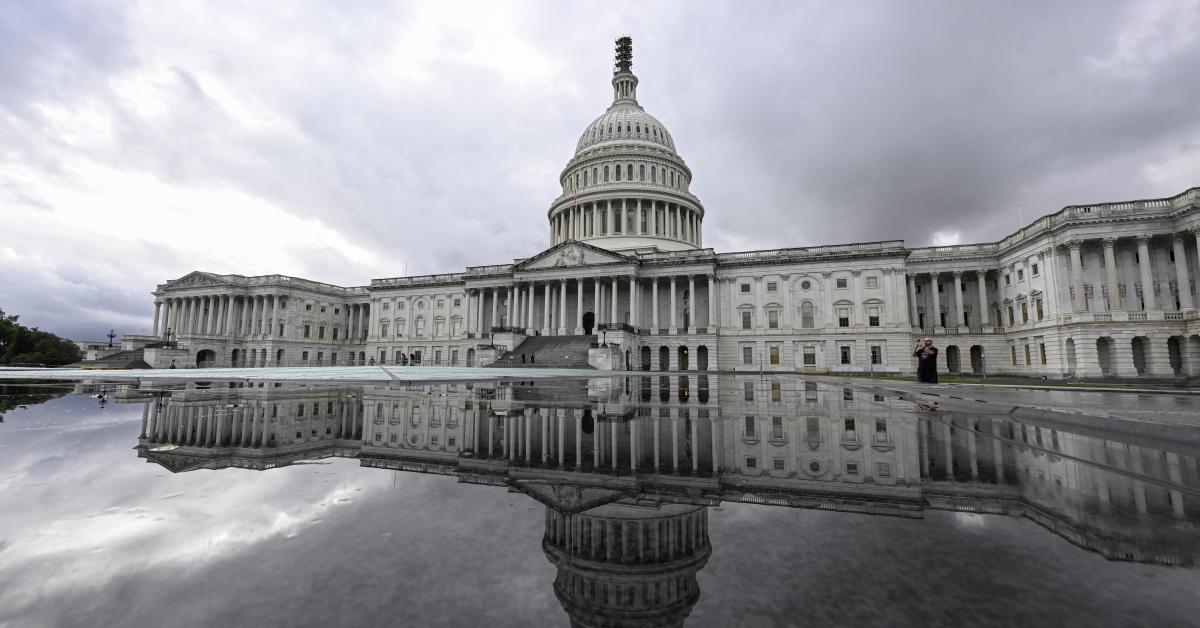
The Senate voted Monday night to pass the Protect College Sports Act with bipartisan support, sending the amended legislation to the House for final consideration.
The bill passed 77-22 — a decisive bipartisan margin — and aims to restore fairness and competitive equity in college athletics while bolstering the NCAA’s authority to enforce its own rules. The vote represents one of the most significant congressional interventions into college sports governance in decades, coming at a time when the collegiate athletic landscape has been fundamentally reshaped by legal challenges and regulatory uncertainty.
The legislation arrives amid mounting concerns that the traditional structure of college athletics has been destabilized by recent court rulings and the advent of name, image, and likeness (NIL) compensation. Since NIL rules took effect, the lack of uniform federal standards has created a patchwork of state laws and institutional policies that many argue has led to competitive imbalances and confusion about athlete compensation and eligibility standards.
“I’m proud that the Senate passed the Protect College Sports Act, which will restore stability in college athletics and ensure South Dakota’s colleges and universities can continue to provide pivotal student-athlete experiences on our campuses.”
Senate Majority Leader John Thune, who led the effort, said in a post on X that the legislation will protect the same opportunities his father and daughter had for future generations of student-athletes. Thune has been a leading voice among lawmakers calling for federal intervention to address what he and others describe as an unsustainable trajectory in college sports administration.
Texas Republican Sen. Ted Cruz and Washington Democratic Sen. Maria Cantwell led months of negotiations on the bill. The bipartisan partnership between Cruz and Cantwell proved crucial in building the broad coalition necessary to advance the legislation, as the two senators worked to address concerns from both conservative and progressive members about the appropriate level of federal involvement in college athletics.
Cruz defended the legislation during floor debate, arguing that only Congress can fix what federal law has broken. His remarks underscored the legislative intent behind the bill: to provide clarity and authority where court decisions have created ambiguity.
“It would be nice if college sports could somehow magically fix itself, but this is a matter of law, federal law, and only Congress can fix it,” Cruz said. “Now I know some argue that college sports are doing just fine. They point to high television ratings, enthusiastic fan bases, and packed stadiums. But popularity does not demonstrate that the system is healthy. It simply proves that the system is worth saving.”
The bill also caps agent fees at 5% and limits annual school spending on athletes to $50 million. These specific financial guardrails are designed to prevent exploitative practices while establishing uniform spending limits across institutions, addressing concerns that wealthier programs could dominate recruiting through unlimited athlete compensation packages.
A key provision shields the NCAA from lawsuits challenging its enforcement of eligibility and competitive rules — addressing one of the core legal battles that has destabilized college athletics in recent years. This legal protection represents a significant shift in the regulatory environment, effectively reversing the trend of successful court challenges that have repeatedly undermined the NCAA’s ability to maintain consistent standards across member institutions. The provision has been particularly contentious, with supporters arguing it provides necessary stability and critics contending it grants excessive immunity to the organization.
The legislation now advances to the House, where it faces known opposition from the Congressional Black Caucus and labor groups who argue the bill will harm minority athletes’ earning potential. These opponents contend that the spending caps and NCAA protections could limit opportunities for athletes to maximize their market value, particularly affecting athletes from underrepresented communities who may have fewer alternative pathways to professional compensation.
The House is expected to vote on the measure after it returns from recess following the November midterms. The timing means the legislation will face consideration during a politically charged period, potentially complicating its path to final passage despite the strong bipartisan support demonstrated in the Senate vote.
I’m proud that the Senate passed the Protect College Sports Act, which will restore stability in college athletics and ensure South Dakota’s colleges and universities can continue to provide pivotal student-athlete experiences on our campuses. By addressing some of the largest…
— Leader John Thune (@LeaderJohnThune) September 29, 2026