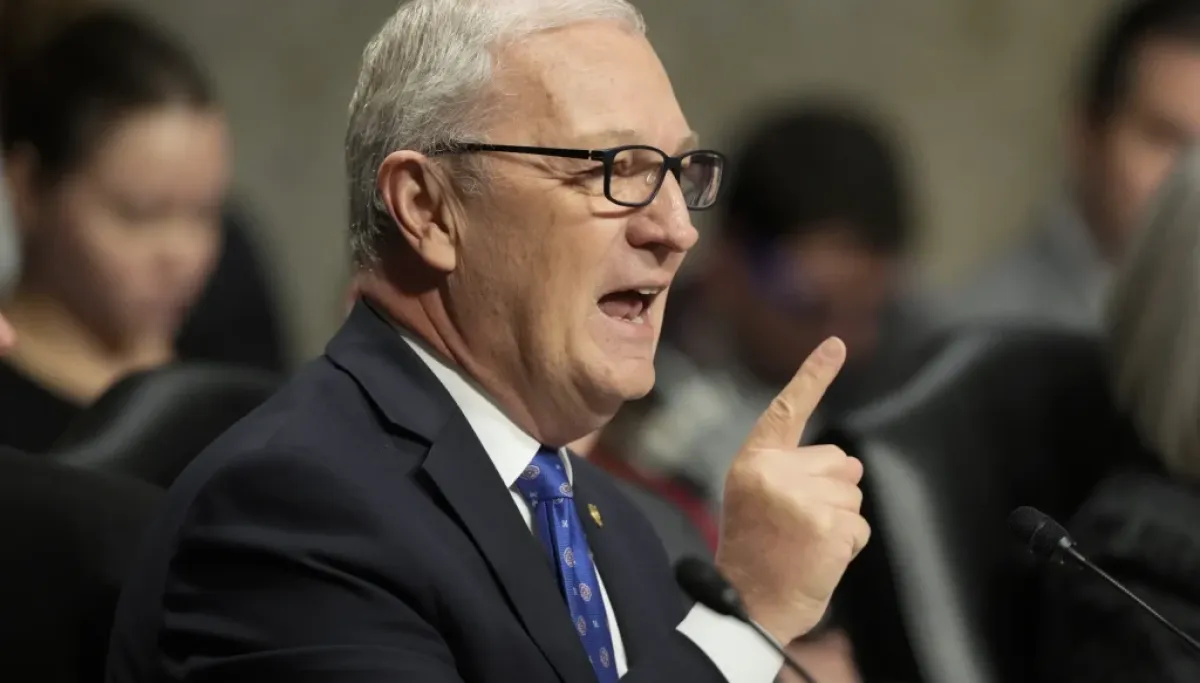
Sen. Kevin Cramer (R-ND) announced Wednesday he will block every Trump nominee until the administration reverses a Biden-era wetlands policy crushing North Dakota farmers.
The North Dakota Republican called the Fish and Wildlife Service rule “extremist” and said his farmers are “furious.”
The policy protects duck habitats by banning farmers from installing underground agricultural drainage tiles near federal conservation easements. Cramer said the Trump administration decided earlier this month against reforming the Biden-era regulation — a move that blindsided the senator.
“My farmers are furious and so am I. There won’t be another nominee confirmed until something changes.”
Cramer told the Washington Examiner he was placing a formal hold on any nominees Trump brings before the Senate this fall. The procedural maneuver gives a single senator veto power over the confirmation process until leadership moves to break the hold with a cloture vote.
The senator slammed what he called the administration’s “blind defense of a Biden rule favored by environmental extremists at the expense of farmers.”
His statement comes as agricultural producers face economic headwinds across the heartland. Commodity prices have fallen sharply while input costs remain elevated — leaving many farmers operating at razor-thin margins or outright losses.
Cramer’s gambit puts Trump in an awkward position. The president will need Senate cooperation to fill dozens of vacant federal posts this fall — including judicial nominations and executive-branch roles. But any move to advance nominees now triggers Cramer’s hold.
The Fish and Wildlife Service implemented the wetlands drainage restriction under the Biden administration as part of broader conservation efforts tied to the Migratory Bird Treaty Act. Environmentalists argue the rule prevents habitat destruction. Farmers counter that it blocks routine field management and reduces crop yields on land they own or lease.
North Dakota is one of the top agricultural states in the nation — leading the country in production of spring wheat, durum, canola, dry beans, and sunflowers. The state’s economy relies heavily on farming, making federal land-use regulations a flashpoint issue for its congressional delegation.
Trump campaigned in 2024 on rolling back Biden environmental rules and has repeatedly promised farmers relief from what he calls regulatory overreach. Cramer’s public confrontation with the administration signals growing frustration among rural Republicans who expected faster action.
The senator’s threat carries real weight. A single hold can stall nominations for weeks or force leadership to burn floor time on procedural votes. With a narrow Senate majority and a packed fall calendar, even one defector can derail the president’s agenda.
Cramer has not specified which policy change would satisfy him — whether full repeal of the wetlands rule, carve-outs for agricultural drainage, or administrative guidance clarifying enforcement. The ambiguity gives him negotiating leverage but also leaves the path to resolution unclear.
Here’s what @DucksUnlimited didn’t say:
• They are aligning themselves with a Biden rule sued in federal court by farmers.
• The Biden rule does NOT provide certainty to landowners, it defers completely to bureaucrats in the @USFWS.
• They never mentioned the word “farmer”… https://t.co/2pAFQZEGlv
— Senator Kevin Cramer (@SenKevinCramer) July 30, 2026
The Fish and Wildlife Service thanks the more than 200,000 commenters who responded to the request for information on the process for calculating setbacks for the drain tiles around the wetland easements. Our administration is dedicated to protecting both the wetland easements…
— U.S. Fish and Wildlife Service (@USFWS) August 14, 2026