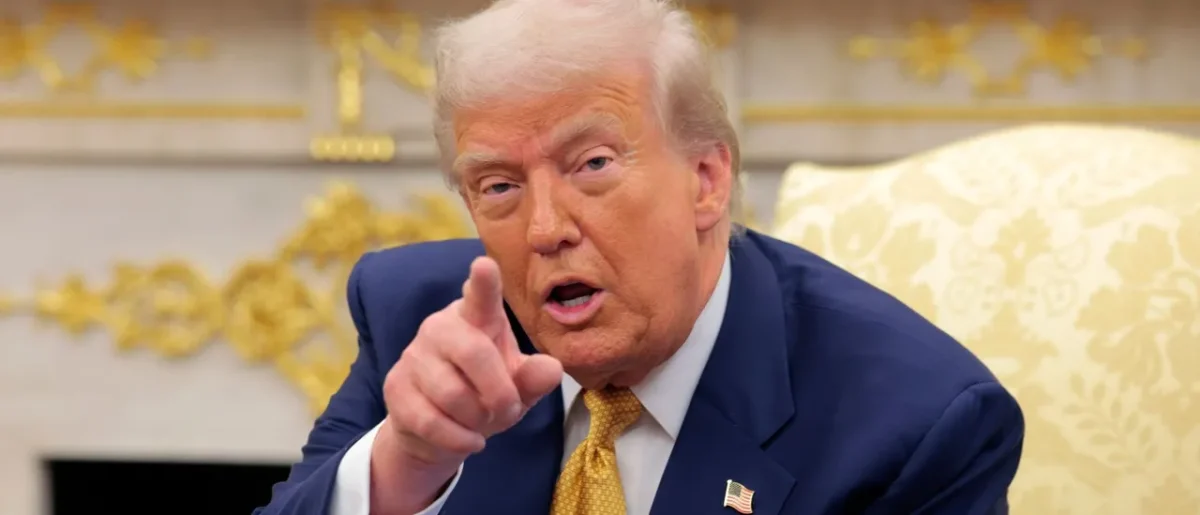
President Donald Trump turned a hero ceremony into a takedown of CNN — and asked a 16-year-old lifeguard to weigh in.
The moment unfolded in the Oval Office Monday, where Trump had invited Ryder Williams to honor the teenager’s dramatic rescue of a drowning 10-year-old boy. What should have been a straightforward celebration of courage and quick thinking quickly transformed into one of the administration’s most awkward confrontations with the press corps, illustrating the ongoing tension between the White House and mainstream media outlets.
CNN White House correspondent Kristen Holmes used the event to press the president on his North Korea policies. Trump grew visibly irritated as she tried to push a follow-up question. The exchange highlighted the difficult balance journalists face when covering photo-opportunity events that offer rare access to a president who has increasingly limited traditional press conferences and question-and-answer sessions.
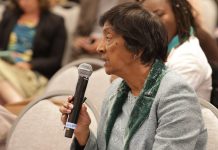
“Quiet. You’re very disrespectful in front of this young man, okay?” Trump said, before turning to Williams.
“Don’t you find her disrespectful?”
The teen didn’t respond. Trump continued anyway. The uncomfortable silence underscored the awkward position in which the president had placed the young hero, who had come to Washington expecting recognition for his bravery, not to be enlisted as a prop in a media confrontation.
“He understands. Quiet. Who are you with?” the president asked.
Holmes identified her network. That only seemed to increase Trump’s ire. The president’s relationship with CNN has been contentious throughout his political career, with the network frequently becoming a target of his criticism at rallies and on social media.
“You’re a loud, boisterous person,” he said. “You’re a fake reporter and you report fake news.”
“You’re a loud, boisterous person.”
“You’re a fake reporter and you report fake news”
President Trump shuts down a CNN reporter during a tense exchange in the Oval Office, calling her “disrespectful” as she repeatedly attempts to ask a follow-up question about South Korea in… pic.twitter.com/e2wL3y3UO7
— Fox News (@FoxNews) August 17, 2026
Holmes had asked how Trump would answer critics who accuse him of favoring North Korea over South Korea by scaling back joint military drills. She also raised a separate question about presidential aide Natalie Harp, echoing a recent attack line from Democratic Georgia Sen. Jon Ossoff. The questions touched on two sensitive areas for the administration: foreign policy decisions that have drawn bipartisan concern on Capitol Hill, and internal staffing matters that have generated controversy among political observers.
Williams earned his White House invite after diving into heavy surf on July 25 at Seabright Beach in Santa Cruz, California. He pulled 10-year-old Nathaniel Rai from a rip current as bystanders captured the rescue on video. The rescue required not only swimming skill but remarkable composure under pressure, as rip currents are among the most dangerous conditions beachgoers face along the California coast.
The footage went viral. Trump invited both the teen hero and the boy he saved to the White House. Such ceremonies honoring everyday Americans who perform acts of heroism have been a staple of presidential administrations for decades, typically providing moments of bipartisan unity and positive coverage.
Williams sat in the fireside chair typically reserved for visiting dignitaries. The symbolic placement emphasized the administration’s intent to treat the young lifeguard with the same respect afforded to foreign leaders and other high-profile guests, though the encounter with the press would overshadow that gesture.
CNN defended Holmes after the exchange. “Kristen Holmes is one of the most respected and accomplished journalists covering the White House,” a network spokesperson said in a statement. “This afternoon, she did her job and asked the President of the United States a tough, relevant, and newsworthy question on behalf of the American people.” The network’s response reflected the broader debate about press access and the role of journalists in holding elected officials accountable, even during ceremonial events.
Trump already ordered the U.S. military to “substantially reduce” joint exercises with South Korea, citing what he called an “unthreatening and respectful” North Korea under Kim Jong-un. The policy shift has raised concerns among defense analysts and regional allies about America’s long-term commitment to security partnerships in East Asia, making it a subject of legitimate journalistic inquiry.