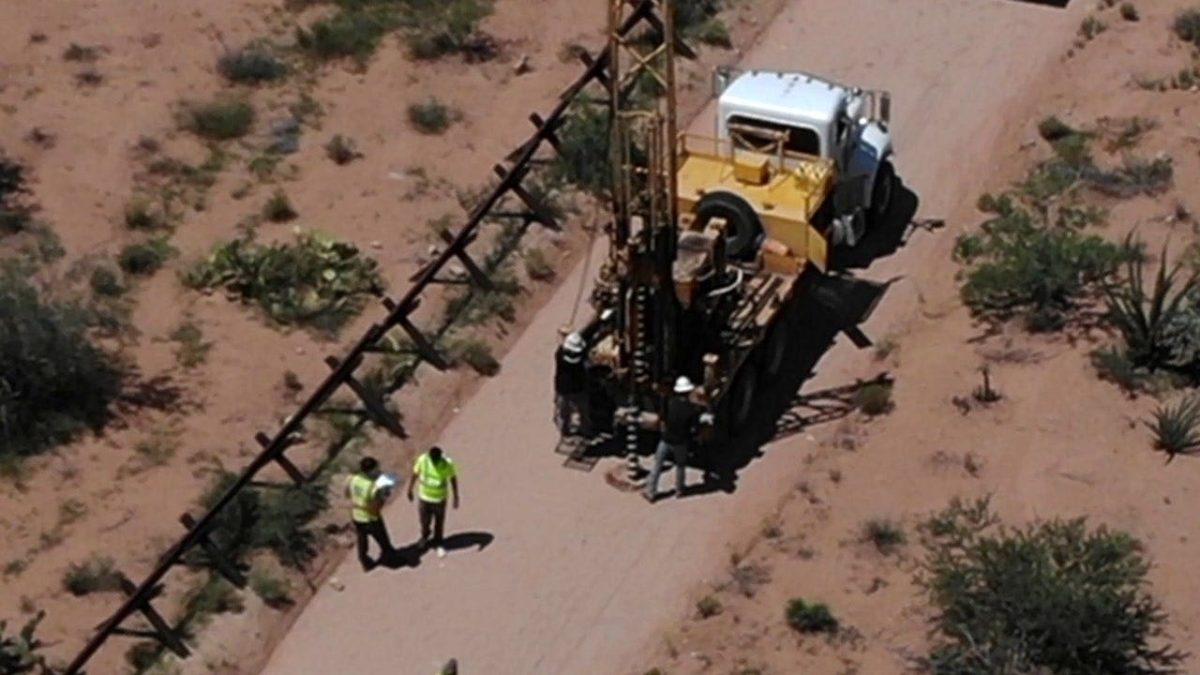
The Trump administration broke ground on a new section of border wall in Arizona this week — and isn’t backing down despite fierce objections from a Native American tribe claiming the project violates sacred land.
The construction is part of a $46 billion effort to fortify the southern border with 30-foot steel bollard walls, vehicle barriers, and technology designed to stop illegal immigration and drug smuggling. The ambitious initiative represents one of the largest infrastructure projects aimed at border security in U.S. history, spanning multiple states and involving coordination between numerous federal agencies and private contractors.
But the Tohono O’odham Nation says contractors are trespassing on tribal land and damaging areas sacred to the tribe’s 37,000 members. The dispute highlights ongoing tensions between federal border enforcement priorities and tribal sovereignty rights — issues that have repeatedly surfaced in border communities where Native American reservations intersect with international boundaries.
“The project will close one of the most dangerous smuggling and trafficking corridors on the Southwest border — remote desert that has facilitated decades of drug loads, migrant deaths and cartel activity.”
That’s CBP Commissioner Rodney Scott, defending the project. U.S. Customs and Border Protection says the desert spanning the Tohono O’odham Nation — which sits on both sides of the border — is a major corridor for drug smuggling. The unique geography of the reservation, with its 75-mile border with Mexico, has made it strategically significant for both smuggling operations and federal interdiction efforts for generations.
The tribe sued the federal government in June, arguing the construction would cause “significant devastation” on the reservation — including the destruction of mountain peaks sacred to the tribe. The legal challenge invoked both environmental protection statutes and religious freedom laws, seeking to halt construction until a full cultural impact assessment could be completed.
A federal judge sided with the government.
U.S. District Judge Richard Leon ruled the border wall would be built on a 60-foot-wide buffer zone of federally owned land called the Roosevelt Reservation — not tribal land. The Roosevelt Reservation, established by presidential proclamation in 1907, was originally created to provide federal access and control along the international boundary, predating many modern tribal land agreements.
“Defendants have not yet articulated plans to construct outside the Roosevelt Reservation,” Leon wrote in his opinion. The narrow ruling focused specifically on the jurisdictional question of land ownership rather than addressing the broader cultural and religious concerns raised by the tribe.
The tribe isn’t giving up. Tribal officials said the construction still constitutes trespassing, even if confined to the Roosevelt Reservation. They argue that federal easement rights do not override their territorial sovereignty or their responsibility to protect culturally significant sites. They set up “No Trespassing” signs this week — and accused masked CBP agents of setting up a vehicle blockade to stop tribal police from removing the contractors.
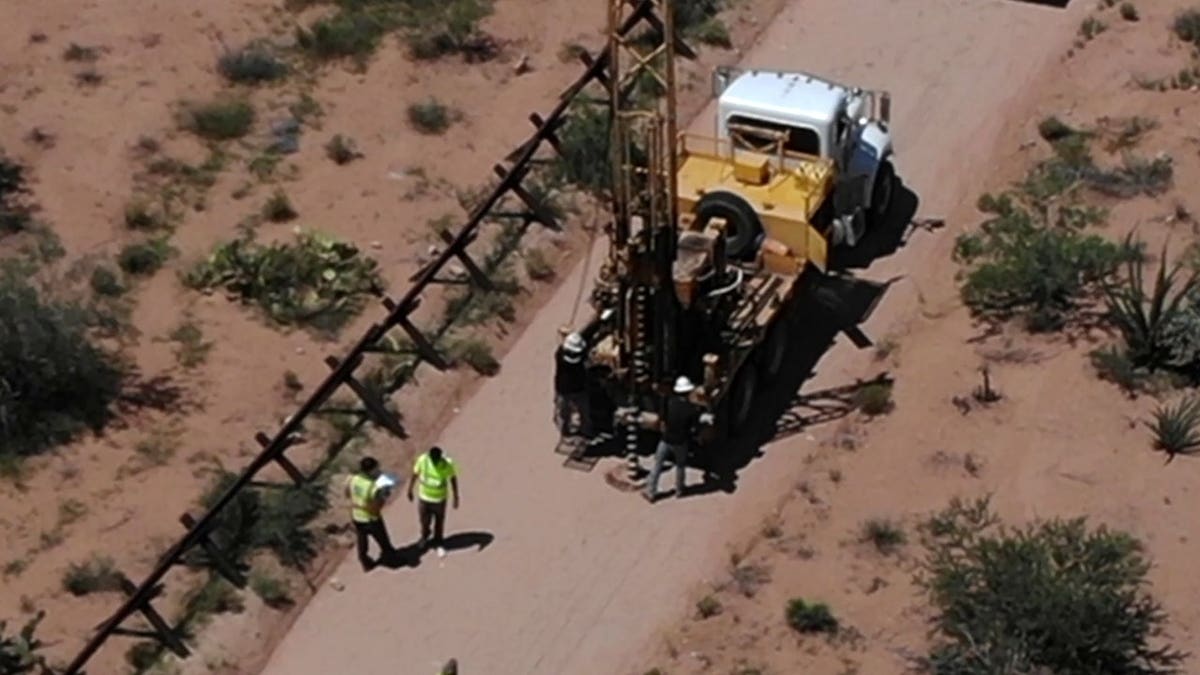
“The contractors, who are on the Nation illegally, were accompanied by agents as they worked on three separate locations near the border with drill trucks to conduct soil sampling and other activities,” tribal officials said in a statement. The confrontation represents an escalation in the standoff, with both federal authorities and tribal law enforcement asserting competing claims of jurisdiction over the contested area.
The tribe said it is exploring other legal means to remove the contractors. Legal experts suggest potential avenues include appeals to higher courts, congressional intervention, or negotiated settlements that might reroute portions of the wall to less culturally sensitive areas.
Meanwhile, the Trump administration is pressing forward. DHS Chief Mark Mullin told Congress the primary border wall will be completed by June 2027, with the secondary wall finished by summer 2028. The aggressive timeline reflects the administration’s determination to complete the project despite legal challenges and logistical obstacles that have slowed previous border wall construction efforts.
The desert corridor has been a flashpoint for years. Illegal border crossers have wandered the vast Sonoran Desert for days, many dying from exposure. Others have used the remote terrain to smuggle drugs and evade detection. The harsh landscape, with summer temperatures regularly exceeding 110 degrees and few water sources, has made this stretch of border particularly deadly for unauthorized migrants attempting the crossing.
Commissioner Scott says the wall will save lives by closing off the dangerous route. The argument frames the construction as a humanitarian measure, though critics counter that barriers may simply redirect migration to even more remote and dangerous terrain rather than preventing crossings altogether.