The Trump administration is fighting to restart deportations of illegal immigrants to “Safe Third Countries” after a Biden-appointed judge blocked the policy—and it’s asking the Supreme Court to step in immediately.
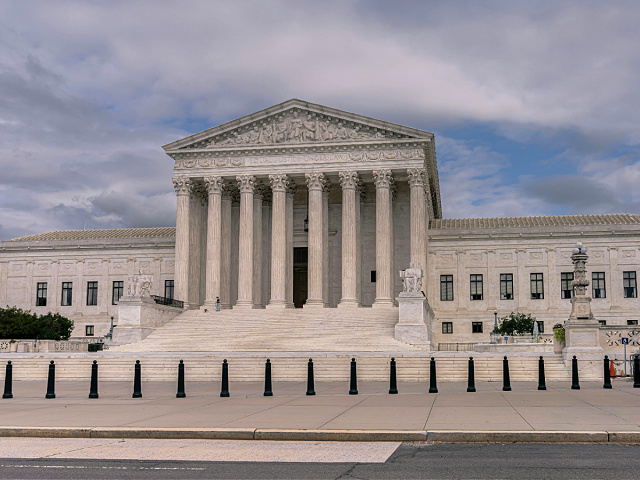
Solicitor General D. John Sauer filed an emergency application with the Supreme Court on Thursday, requesting the justices put a hold on U.S. District Judge Brian Murphy’s February ruling that threw out the Department of Homeland Security’s third-country removal policy. This marks the third time the administration has brought the fight to the high court.
The repeated legal battles over this deportation strategy underscore the broader clash between the Trump administration’s enforcement priorities and civil liberties advocates who argue the policy violates due process protections. The case has become a pivotal test of executive authority over immigration enforcement, particularly when traditional deportation mechanisms break down due to diplomatic obstacles.
The policy allows DHS to deport illegal immigrants to nations that were never named on their original removal orders—countries the administration calls “Safe Third Countries.” The Trump team relies on these agreements because many home governments refuse to take their own citizens back.
This diplomatic impasse has long complicated immigration enforcement efforts. When countries decline to issue travel documents or otherwise refuse repatriation of their nationals, immigration authorities face the prospect of indefinite detention or release of individuals subject to final removal orders. The third-country arrangement represents the administration’s attempt to break this stalemate by establishing alternative destinations for deportees who cannot be returned to their countries of origin.
“SOME OF THE WORST OF THE WORST CRIMINAL ALIENS WHOSE HOME COUNTRIES WILL NOT ACCEPT THEM.”
Sauer told the justices the policy has been running for 15 months and has already removed thousands of detainees from the country, with thousands more eligible to go. He described the people targeted by the policy as “some of the worst of the worst criminal aliens” whose home countries will not accept them.
The administration’s characterization of those subject to third-country removal emphasizes public safety concerns and suggests the policy targets individuals with serious criminal histories rather than routine immigration violators. However, critics contend the policy’s actual implementation has swept more broadly and includes individuals without violent criminal records.
DHS had to scrap a flight to three separate countries carrying 70 deportees, some with criminal records, after the lower court ruling snapped back into force.
The cancellation illustrates the immediate operational impact of the legal uncertainty surrounding the policy. Immigration enforcement agencies must coordinate complex logistics for international removal flights, including diplomatic clearances, security arrangements, and transportation contracts—all of which become difficult to execute when court rulings can shift on short notice.
The First Circuit Court of Appeals upheld most of Murphy’s ruling on September 18. Late Wednesday, after lawyers for the illegal immigrants flagged a planned flight to several African countries, the appeals court dissolved the pause it had placed on that ruling in March. Murphy’s order took effect immediately, and Sauer said the government could not carry out removals at all.
Justice Ketanji Brown Jackson handles emergency applications out of the First Circuit. She gave the migrants’ lawyers until 4 p.m. Monday to respond.
Trina Realmuto, an attorney with the National Immigration Litigation Alliance, argued the appeals court had already settled the question. She claimed the administration wants to keep sending people to countries where they face life-threatening conditions.
The safety concerns raised by opponents form the crux of the legal challenge. Critics argue that deportation to third countries—particularly nations with unstable governments, high crime rates, or inadequate infrastructure—effectively circumvents protections designed to prevent the U.S. from sending individuals to places where they would face persecution or danger. The administration counters that it has vetted partner nations and secured assurances regarding treatment of deportees.
Human rights groups count more than 25,000 migrants deported to 29 countries since the policy started—the vast majority of them to Mexico. Secretary of State Marco Rubio’s State Department has struck “Safe Third Country” agreements with up to 31 nations, mostly in Africa and Latin America, at a cost of at least $410 million authorized or pledged through the end of June.
The scale of these diplomatic arrangements and their associated costs reflect the administration’s commitment to the policy as a centerpiece of its immigration enforcement strategy. The financial investment includes not only direct payments to partner countries but also development assistance, security cooperation, and other incentives designed to secure and maintain cooperation on migrant reception.
The Supreme Court has sided with the administration twice already in this case.
Those previous decisions, while procedural in nature, suggest at least some justices see merit in allowing the policy to continue during litigation. The Court’s willingness to intervene repeatedly also signals the justices recognize the significant national implications of whether the executive branch can pursue alternative deportation arrangements when traditional channels fail.
Trump asks US Supreme Court to intervene to allow third-country deportations https://t.co/IPHG1Jw80f https://t.co/IPHG1Jw80f
— Reuters (@Reuters) September 24, 2026