
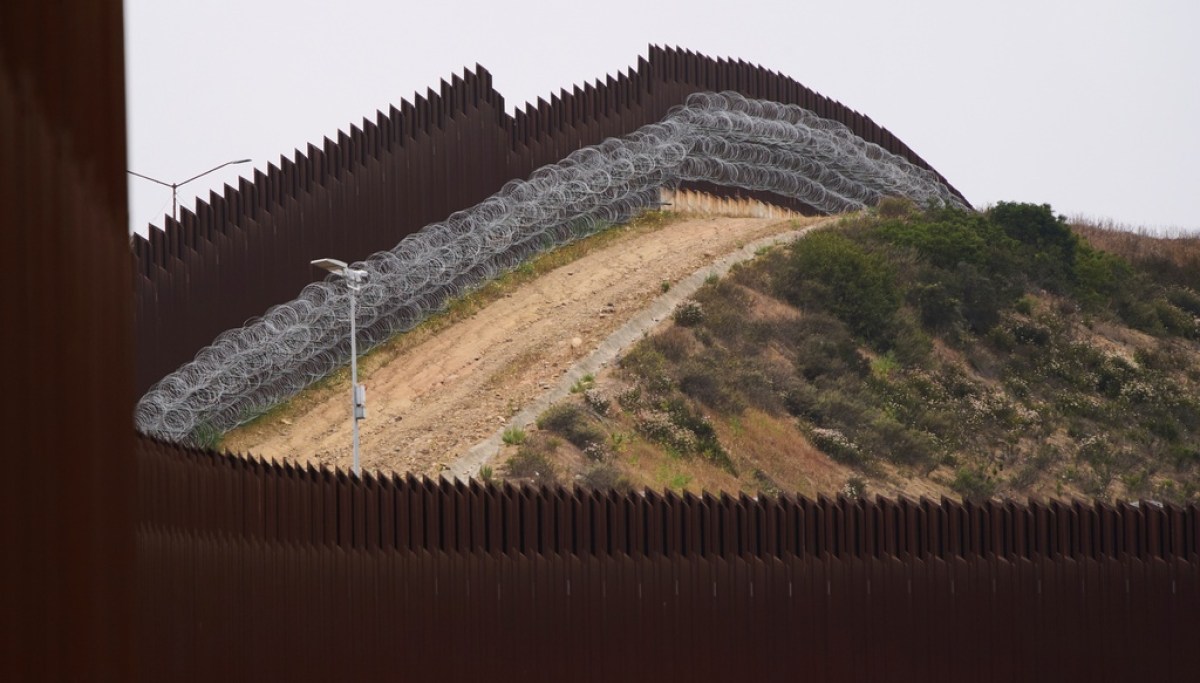
The Supreme Court just delivered a double victory for border security — and made it harder for open-borders activists to undermine enforcement through the courts.
In two rulings Thursday, the justices declared that Temporary Protected Status is indeed “temporary,” and that an alien is not legally “in” the United States until they physically cross the border.
Those simple principles — that words mean what they say — will protect the border gains President Trump has achieved.
“For too long, federal courts have treated immigration statutes not as law to be enforced, but as invitations to impose open-borders policies.”
In the first case, Mullin v. Al Otro Lado, a San Diego activist group sued the Trump administration in 2017 after Customs and Border Protection set up a metering system at the San Ysidro port of entry.
CBP officials stood on U.S. soil and prevented migrants from entering until the port had capacity to process them properly. The activists argued this violated asylum law.
The court rejected that argument. An alien who hasn’t physically entered U.S. territory has no legal standing to demand entry — no matter where the CBP officer happens to be standing.
The ruling strips lower courts of their favorite tool: issuing nationwide injunctions that force presidents to ignore immigration law.
The second case confirmed that Temporary Protected Status — a designation created for short-term crises — cannot be stretched indefinitely to create a backdoor amnesty program.
Trump proved presidents can secure the border without new legislation. These rulings ensure future presidents won’t face judicial sabotage when they try.