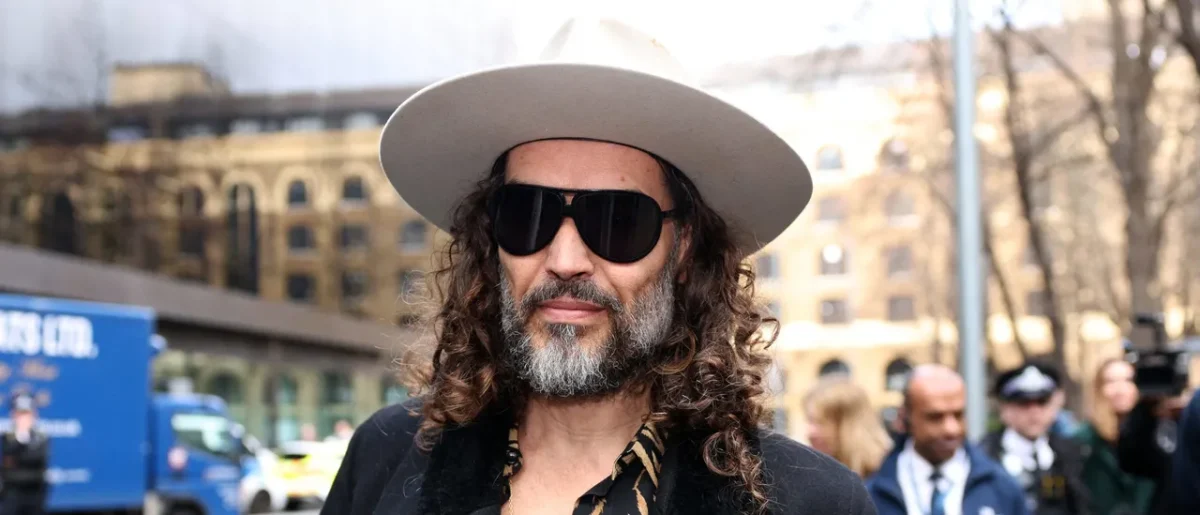
Russell Brand spent years chasing fame, sex, and validation — and none of it worked.
The comedian’s new book “How to Become a Christian in 7 Days” isn’t the quick-start guide the title suggests. It’s his raw testimony about surrendering to God after a celebrity lifestyle left him suicidal and empty.
Brand holds nothing back. He openly discusses his former life of sexual immorality, ego worship, and the idolization of fame. The “Forgetting Sarah Marshall” star doesn’t just confess his sins — he dissects how they destroyed him.
“If you are going to read anything, throw this book out the window and read the Bible.”
Despite the brutal honesty, Brand’s sense of humor shines through on nearly every page. Even when writing about his darkest moments, he delivers witty commentary that makes the spiritual memoir feel like a personal conversation rather than a sermon.
The now-51-year-old comedian explores how pride — amplified by constant validation and attention — became his greatest enemy. All the money and fame he received daily never gave him the fulfillment he was searching for.
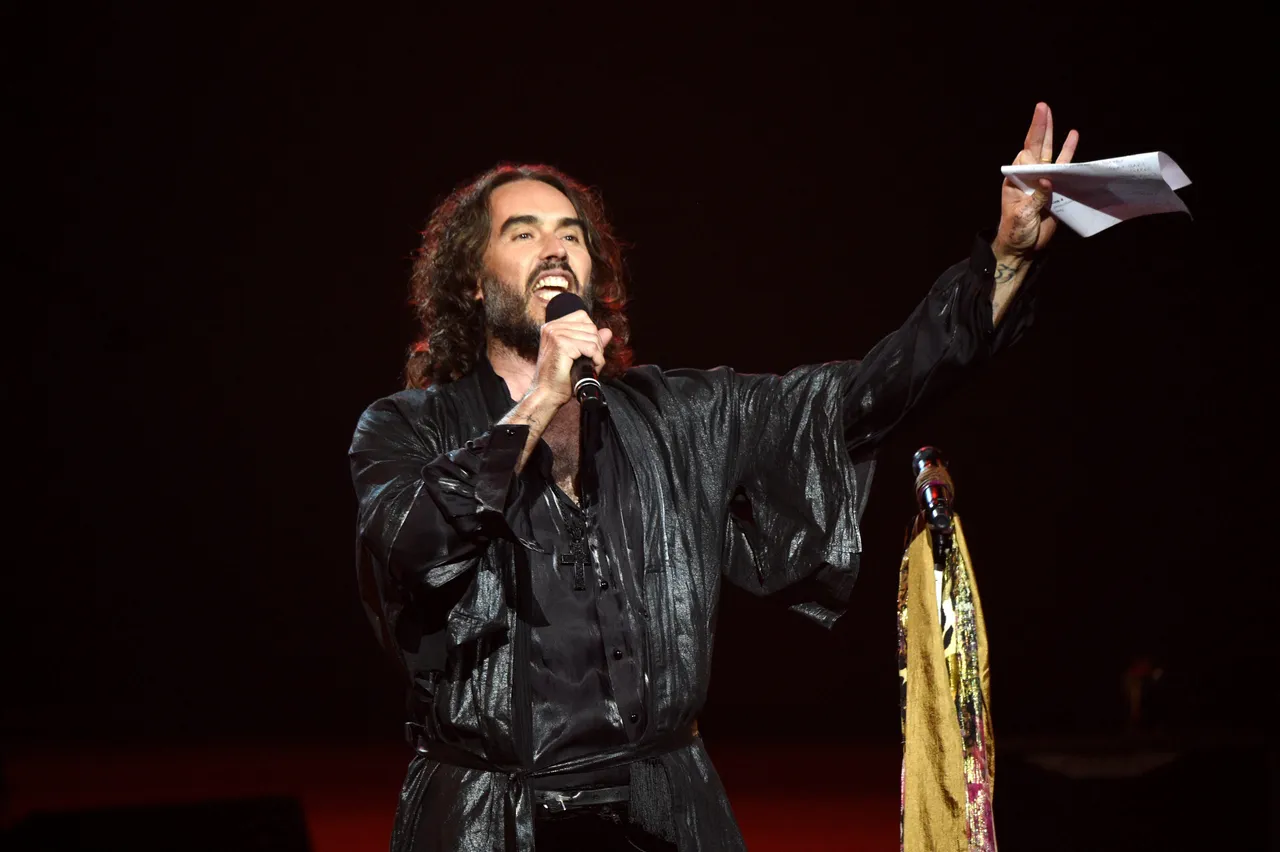
True fulfillment only began when he turned his life toward God.
Even at the height of his success — when everything looked perfect from the outside — Brand struggled with depression and suicidal thoughts. He felt empty for much of his life, always searching for something deeper than what his celebrity lifestyle could offer.
The father of three shares how his son’s heart condition forced him to confront questions about suffering. That became a major catalyst in sparking his faith journey. He also writes about his dog Bear and how both experiences softened his heart and drew him closer to God.
The book’s tongue-in-cheek title might suggest becoming a Christian is a quick process anyone can master in a single week. But Brand makes clear that religious conversion — especially his own — is a years-long process of overcoming sin and choosing surrender every single day.
The seven steps he lays out are important aspects of becoming a Christian, but they’re not something most people can master in 168 hours.
Brand spent years worshipping himself, only to discover that everything he was looking for had been pointing him toward Christ the entire time. His passion for sharing the glory of God with others comes through on every page.
It’s rare to see someone publicly admit that everything they built their identity around ultimately led them to pain and unhappiness. Brand’s openness throughout this book is exactly what the culture needs.