Iran-backed militias in Iraq launched multiple drone strikes targeting Saudi Arabia’s eastern oil facilities Monday — and Saudi Arabia just promised retaliation.
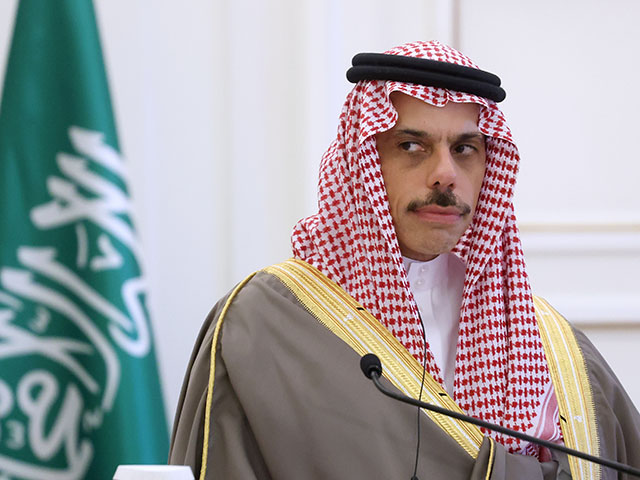
The Saudi defense ministry announced it intercepted the drones and will exercise its “right to respond” at the “appropriate time and place.”
“These terrorist attempts were launched from Iraqi territory and executed by Iranian-affiliated terrorist militias.”
The statement didn’t specify how many drones were launched or whether any damage occurred when they were intercepted. But the message was clear: Iran’s militia proxies just attacked Saudi oil infrastructure.
The drone strikes represent a significant escalation in regional tensions, particularly because they mark an expansion of Iran’s pressure campaign against Saudi Arabia beyond the ongoing Red Sea conflict. Saudi Arabia’s eastern oil facilities have long been considered strategic targets, housing some of the kingdom’s most critical energy infrastructure that supplies global markets. Any successful attack on these installations could have ripple effects throughout international energy markets.
Saudi Arabia’s Foreign Ministry issued its “strongest condemnation of the reprehensible drone attacks carried out by Iran-backed militias operating in Iraq,” and called on Baghdad to “take all necessary measures to prevent its territories from being used as grounds from which acts of aggression are launched.”
The Saudi diplomatic response underscores the delicate position Iraq finds itself in — caught between its neighbor Saudi Arabia and the powerful Iranian-backed militias operating within its borders. These militias have grown increasingly autonomous, often acting independently of Baghdad’s authority and complicating Iraq’s efforts to maintain balanced relations with both regional powers.
Iraqi Prime Minister Ali al-Zaidi ordered security forces to investigate the attack Monday evening. Iraqi military spokesman Sabah al-Numan said the government is examining “available evidence and information” and is ready to “take legal action against anyone proven to have been involved.”
“The government further reaffirms that relations with the Kingdom of Saudi Arabia are deep-rooted and fraternal, founded on mutual respect, shared interests and the principles of good neighbourliness,” Numan said.
Baghdad’s measured response reflects the Iraqi government’s ongoing struggle to assert sovereignty over militia groups that operate with significant independence and Iranian backing. The government’s investigation commitment signals an attempt to demonstrate control, though previous incidents have shown the difficulty Iraqi authorities face in reining in these well-armed and politically connected groups.
The Islamic Resistance in Iraq (IRI) — the umbrella group for Iran’s Shiite militia proxies — denied launching the drones Monday and threatened to make the Saudis “deeply regretful” if they retaliate.
“These fabrications are nothing but an attempt to justify the inability to respond to the painful Yemeni strikes that have targeted the heart of their infrastructure, out of fear of the nature of the impending Yemeni response,” the IRI claimed, referring to attacks on Saudi shipping in the Red Sea by Iran’s Houthi proxies in Yemen.
“Any foolish Saudi action will be met with a harsh response that will make them bite their fingers in regret.”
The IRI’s denial, despite Saudi Arabia’s attribution, is consistent with the group’s typical response pattern when attacks risk drawing unwanted international attention or complicating Iran’s broader regional strategy. The threatening rhetoric, however, reveals the group’s willingness to escalate if provoked, creating a dangerous dynamic where miscalculation could spiral into wider conflict.
Regional analysts told the New York Times that Iran and its Houthi clients are exploiting Saudi Arabia’s vulnerability — the Strait of Hormuz is on lockdown and oil exports have dropped dramatically.
This timing is particularly significant because Saudi Arabia is already dealing with economic pressure from reduced oil export capacity. The kingdom’s ability to project power and influence has traditionally relied heavily on its energy revenues, making simultaneous attacks on both its export routes and production facilities a coordinated strategy designed to maximize pressure during a period of existing weakness.
The Saudis reportedly want nothing more to do with Yemen, where they intervened in 2015 with little lasting effect but heavy international criticism over civilian casualties. The Houthis were frustrated with their inability to conquer more territory after making a truce with the Saudis in 2022.
The 2022 truce had been seen as a potential pathway toward de-escalation in the region, representing a rare diplomatic breakthrough after years of devastating conflict. The breakdown of that fragile peace and the current multi-front pressure campaign suggests Iran may be pursuing a broader strategy of regional dominance while testing Saudi Arabia’s willingness to re-engage militarily after years of seeking to extricate itself from Yemen.
The Hormuz crisis gave the Houthis an opening to break that stalemate. Iran could now be using its Iraqi militia proxies to pile more pressure on Saudi Arabia — squeezing from multiple fronts.
This coordinated approach — utilizing proxies in both Yemen and Iraq to apply simultaneous pressure — demonstrates the effectiveness of Iran’s regional network of allied militias. By maintaining plausible deniability while its proxy forces operate across multiple borders, Iran can advance its strategic interests while avoiding direct confrontation that might trigger international intervention or justify stronger responses against Iranian territory itself.
Chatham House research fellow Farea al-Muslimi summed it up: “The Houthis have one solution for every problem in the world, which is go to war. The Saudis solve every problem by trying to shower it with money, and the Houthis by shooting at it.”