
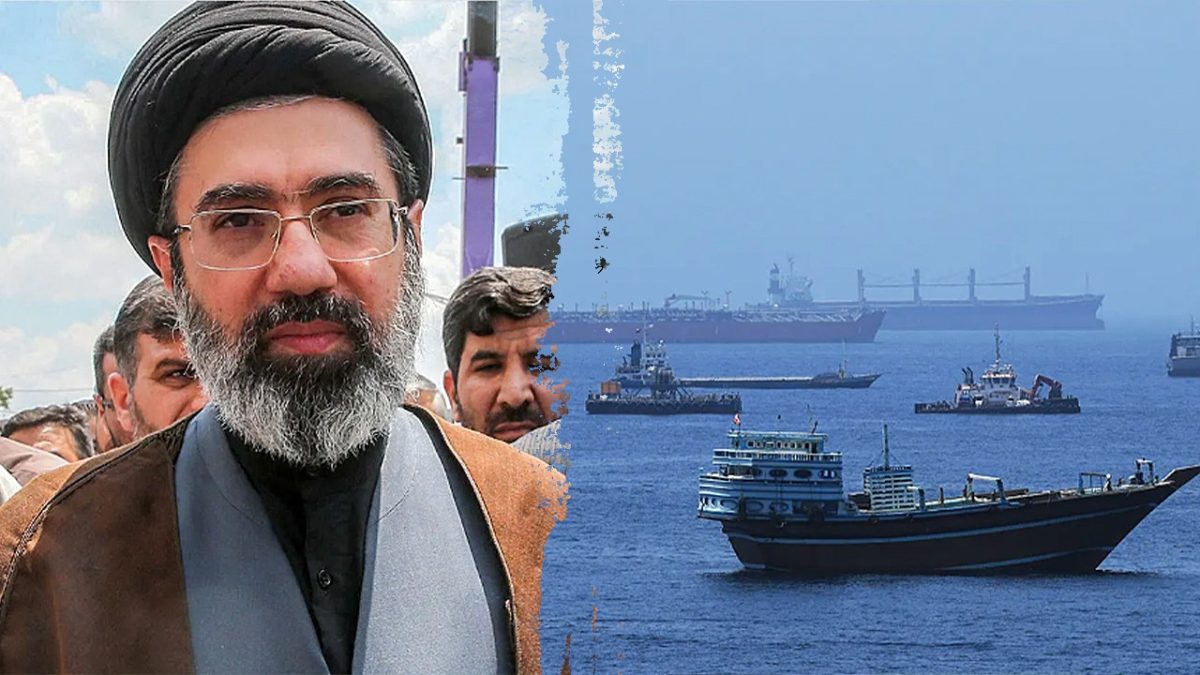
Iran just attacked commercial vessels using a new southern shipping corridor — right as the United States and Oman were steering more ships through the route specifically designed to move traffic beyond Tehran’s reach.
The timing wasn’t an accident.
Former U.S. military commanders told Fox News Digital that Iran is fighting to preserve one of its greatest strategic advantages: leverage over the Strait of Hormuz. And new shipping routes are chipping that leverage away.
“The southern route creates a route they can’t toll or control. They felt it necessary to attack it.”
Retired Navy Rear Adm. Mark Montgomery laid out the threat plainly.
For decades, Iran’s ability to threaten shipping through Hormuz has given the regime influence well beyond its borders. But that advantage is now under serious pressure.
Gulf states are investing heavily in pipelines that bypass Hormuz entirely. The U.S. and Oman are expanding use of the southern corridor hugging Oman’s coastline — a route Iran can’t control.
Nearly half of inbound commercial traffic through the strait is already using that southern route, according to maritime intelligence firm Windward.
After Iran attacked vessels on the new corridor, the U.S. responded with strikes on Iranian military targets tied to maritime operations. Iran retaliated with attacks on U.S. facilities and regional partners before Trump announced both sides had agreed to halt strikes and return to negotiations in Doha.
Iran has denied that its negotiators would meet with U.S. officials in Qatar on Tuesday.
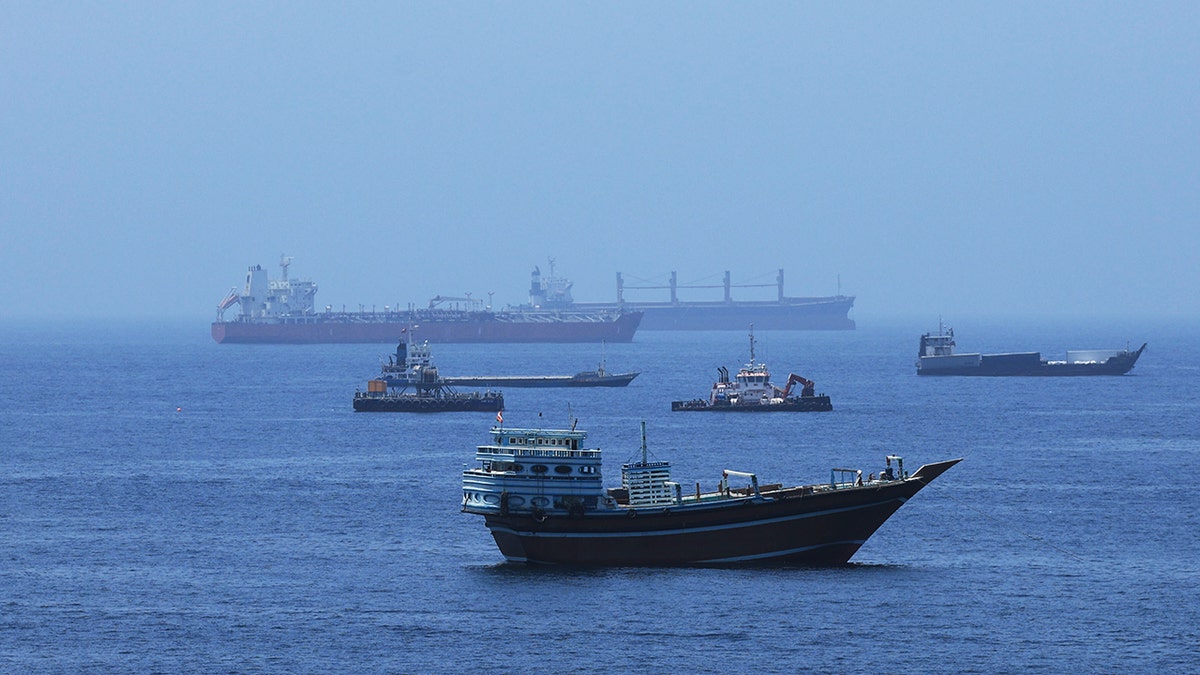
Former Navy Fifth Fleet commander Vice Adm. Kevin Donegan said Iran’s objective isn’t to halt shipping altogether — it’s to make the route “commercially unworkable.”
“These attacks on shipping to me aren’t random. They’re strategy,” Donegan told Fox News Digital, referring to the Islamic Revolutionary Guard Corps.
Iran only needs to keep insurance premiums high enough that commercial shipping companies remain reluctant to use the corridor.
“Their strategy is to enforce their control of the straits,” Donegan said, by driving up insurance costs while continuing to “test the U.S. resolve.”
The question now is whether Iran can translate military pressure into lasting influence over the strait.
Under the memorandum of understanding negotiated after the ceasefire, Iran, Oman, and the Gulf littoral states are expected to negotiate the strait’s “future administration and maritime services” while commercial traffic moves toll-free for 60 days.
President Donald Trump has insisted on social media that there will be “NO TOLLS” after the negotiating period expires, even though the memorandum itself does not explicitly guarantee that outcome. Asked about the discrepancy, Trump argued that “common sense” and the threat of renewed U.S. military action would keep Iran from interfering with commercial traffic.
Iran, however, has signaled a different vision. An IRGC-linked news outlet portrayed last-minute revisions to the agreement — including language governing the strait’s future administration and the temporary toll provision — as negotiating victories for Tehran.
America’s Gulf partners have made equally clear they are not interested in rewriting the status quo.
“The management of the strait was working fine before the conflict. Why should we now, as a result of a conflict, accept some novel arrangement?”
Saudi Foreign Minister Prince Faisal bin Farhan drew the line.
Former Assistant Secretary of State David Schenker said the negotiations reflect Iran’s effort to emerge from the conflict with “a new status quo in the Persian Gulf.”
But preserving leverage over the Strait is about more than commercial shipping.
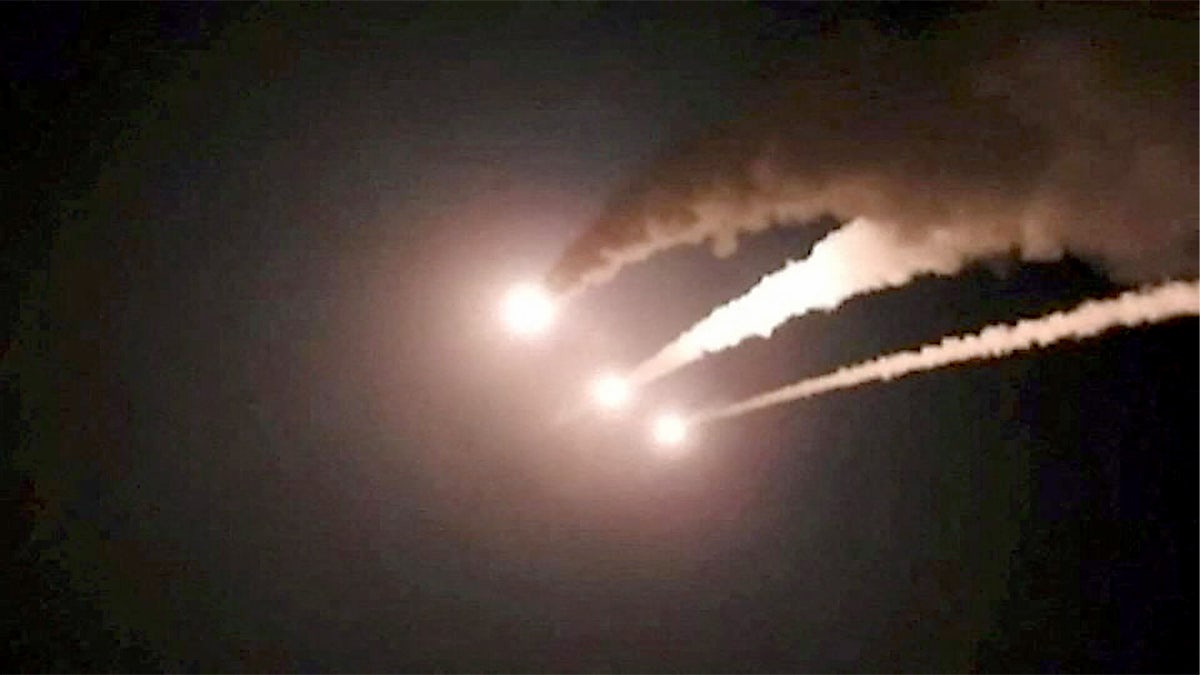
“Iran is trying to basically step into that void,” said Clionadh Raleigh, executive director of the Armed Conflict Location & Event Data project.
Raleigh argued the conflict has left Gulf governments questioning whether “the U.S. is a partner that’s unreliable,” creating an opportunity for Tehran to argue that Gulf security should increasingly be managed by countries in the region rather than by Washington.
Those doubts are already reshaping regional strategy.
“They’re seeking to really develop their own defense posture,” Raleigh said. “And they’re also seeking alternative means for them to continue trade.”
Those efforts have been underway for years, but the latest conflict has accelerated them.
Saudi Arabia has invested heavily in the East-West Pipeline linking Gulf oil fields to the Red Sea, while the United Arab Emirates has expanded export capacity through Fujairah, allowing crude exports to bypass Hormuz altogether.
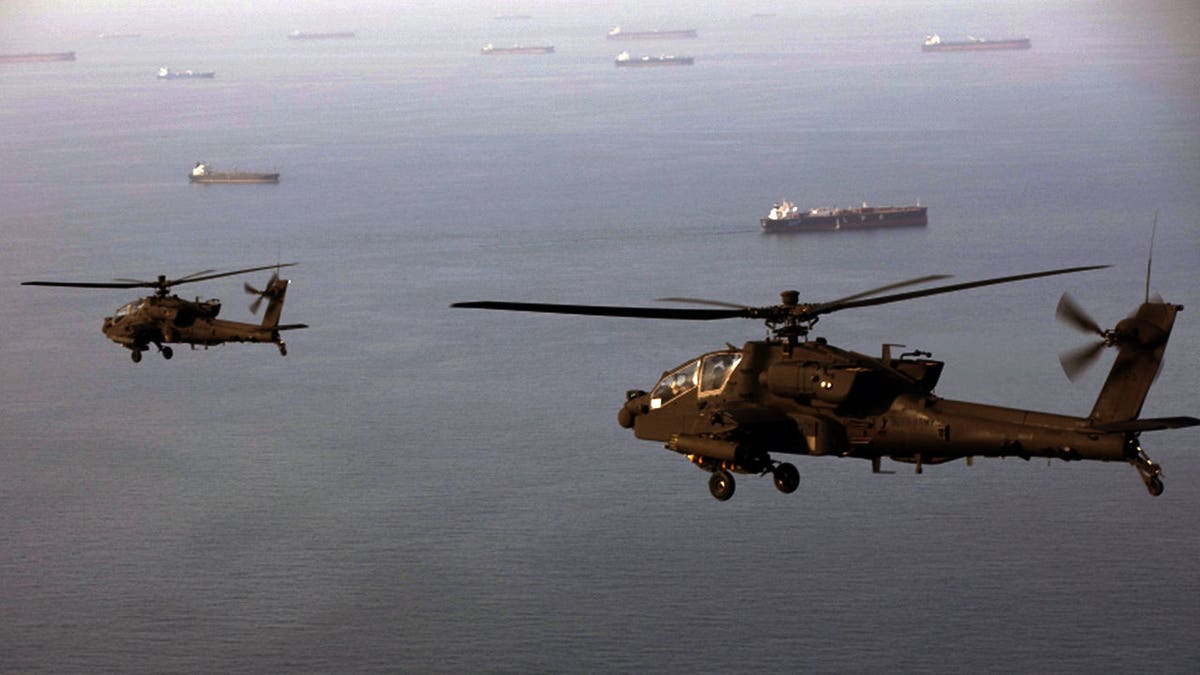
Every barrel that leaves the Gulf without transiting the strait — and every ship that safely uses the southern corridor — chips away at the leverage Iran has historically derived from one of the world’s most important maritime choke points.
If those alternatives continue to expand, Iran’s ability to wield the strait as a strategic pressure point could gradually diminish even if Hormuz itself remains one of the world’s most vital energy corridors.