The Justice Department subpoenaed four New York Times reporters Friday after the paper published classified details about Air Force One security — and the DOJ just made it clear the reporters aren’t the target.
The leakers are.
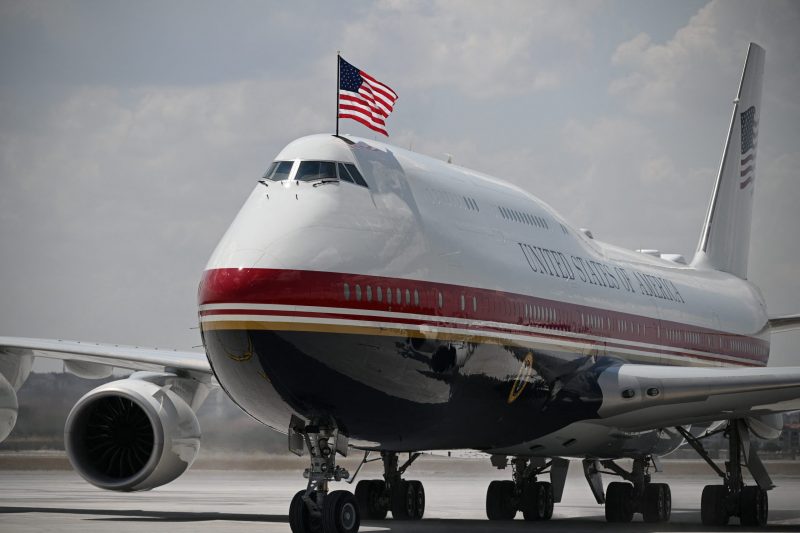
Julian E. Barnes, Eric Lipton, Tyler Pager, and Eric Schmitt received federal grand jury subpoenas ordering them to testify in Manhattan next Wednesday. The subpoenas follow the reporters’ Wednesday article exposing that President Trump switched planes mid-trip from Turkey due to security gaps in his new Air Force One.
According to the Times‘ own reporting, the new plane — donated by Qatar — lacks advanced antimissile capabilities. Citing anonymous sources, the paper reported the Secret Service urged Trump to depart Turkey on the older, more secure plane, then switch to the new aircraft at a Royal Air Force base in England.
“We have it going to Europe to a couple of bases so the soldiers can see it because it’s truly magnificent,” Trump told reporters during the NATO conference.
The president denied security drove the decision, saying the new jet needed to make stops at U.S. military bases.
Before publication, an FBI official contacted the Times requesting the story be held as a potential national security risk. The official declined to explain the specific threat, the paper said.
DOJ spokeswoman Emily Covington made the administration’s target crystal clear Saturday: not the press, but whoever leaked classified Air Force One security details.
“We value and appreciate the important role that the press plays in this country, but [the] DOJ also plays an important role to make sure that the people entrusted with our nation’s secrets do what they’re supposed to do with that information,” Covington said. “We recognize there may always be natural tension there, but we are not going to ignore the law.”
The Times responded with outrage, calling the subpoenas “an extraordinary escalation in President Trump’s efforts to threaten and intimidate independent news organizations.”
David McCraw, the paper’s top lawyer, claimed the move aims to “prevent the public from knowing what is happening in their country by intimidating journalists from doing their jobs.”
The subpoenas come amid renewed Iran threats against Trump’s life and escalating U.S.-Iran hostilities. The reporters’ article cited the alleged Iranian assassination plot as context for the Secret Service security concerns.
The subpoenas contain few specifics beyond requesting testimony “in regard to an alleged violation of federal criminal law,” according to the Times.
The case raises questions about how classified presidential security details ended up in the hands of New York Times reporters — and who inside the government leaked them.