
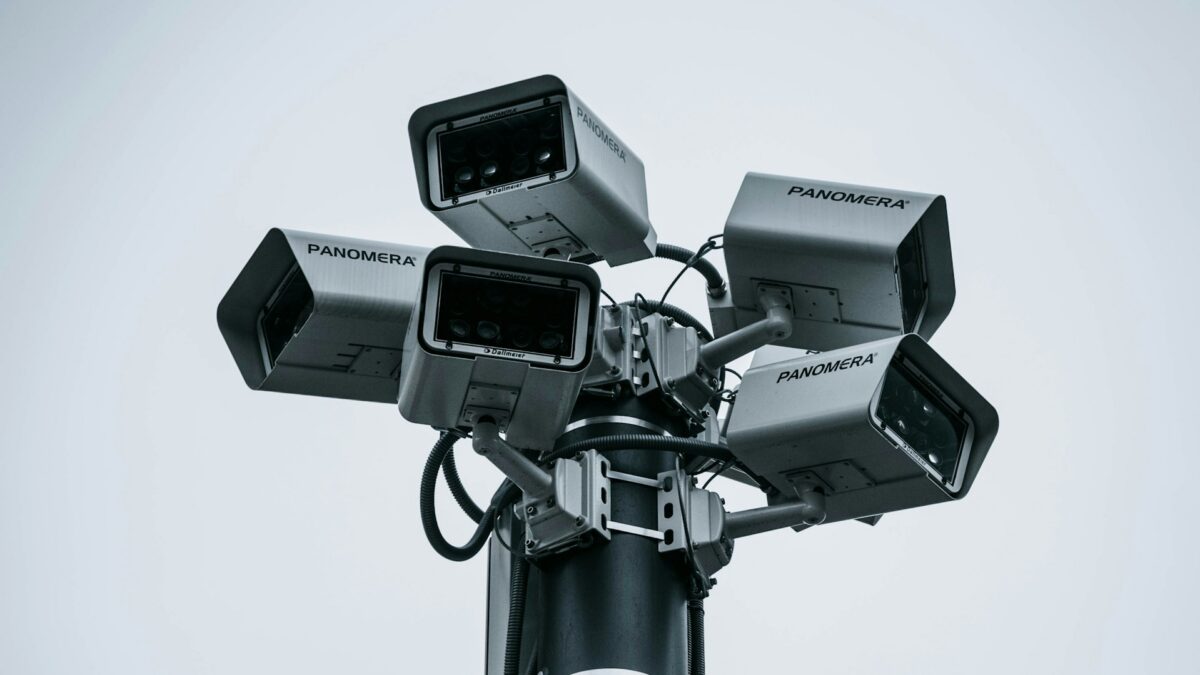
Concerned Women for America sent a letter to the Senate urging lawmakers to reject legislation that would create a massive federal database tracking college students.
The conservative advocacy group warned that SB 2511, branded the College Transparency Act, amounts to government surveillance of American students — tracking them during college and for years after graduation. The organization, which advocates for constitutional liberties and limited government, argues the legislation represents a dramatic expansion of federal power over education at precisely the moment when policymakers should be moving in the opposite direction.
“The CTA is fundamentally antithetical to Americans’ reasonable expectation that the federal government is not tracking their life choices,” CWA President Penny Nance said in the July 28 letter to the Committee on Health, Education, Labor, and Pensions. The letter raises concerns that touch on longstanding debates about the proper role of federal agencies in collecting and maintaining information on private citizens, particularly young Americans making choices about their educational futures.
S.2511, the so-called “College Transparency Act” amounts to nothing less than mass surveillance of college students.
Working AGAINST @WhiteHouse efforts to reduce federal involvement in education, the CTA would create a data collection system that stores the personal… pic.twitter.com/Sto4dGJgno
— Concerned Women for America LAC (@CWforA) July 29, 2026
The bill states it aims to bring transparency to federal aid and provide information for families making education decisions. Proponents argue that better data would help prospective students understand outcomes and make more informed choices about where to enroll and what to study. But the group says it “tramples on the privacy rights of every American college student.” The tension reflects a broader policy dilemma: how to balance the public interest in educational accountability with individual privacy protections that Americans have long taken for granted.
Current federal law explicitly bans this kind of database. This prohibition was not enacted by accident, but rather represents a deliberate policy choice made by Congress to establish clear boundaries on federal data collection in the education sphere.
The Higher Education Act of 1965 prohibits “the development, implementation, or maintenance of a Federal database of personally identifiable information” on students, including “any system that tracks individual students over time.” This safeguard was put in place specifically to prevent the kind of comprehensive surveillance system that critics say SB 2511 would create. The existing law reflects concerns that existed even before the digital age made large-scale data collection far easier and more invasive than lawmakers in 1965 could have imagined.
SB 2511 would repeal that protection. This represents a fundamental reversal of decades-old privacy policy in higher education.
The bill doesn’t specify what information it would collect. This lack of specificity is itself a source of concern for privacy advocates. Beyond tracking race, age, gender, income, and major, it authorizes the gathering of “additional data elements” left undefined. The open-ended nature of this language means future administrations could expand the scope of data collection without returning to Congress for additional authorization, critics warn.
According to section 3 of the bill, students’ information would be shared with the Social Security Administration, the Internal Revenue Service, the Department of War, and the Census Bureau. This multi-agency access raises questions about how the information might be used beyond its stated educational transparency purpose, and whether adequate safeguards exist to prevent mission creep as various government entities gain access to comprehensive student records.
“Federal databases are ripe for abuse. Not only do they make Americans vulnerable to the abuses of government overreach and a mismanaged bureaucracy, but they can also be used by foreign adversaries.”
Nance pointed to recently declassified information showing China accessed 220 million U.S. voter files. The reference underscores growing concerns about cybersecurity vulnerabilities in government systems, particularly as adversarial nations become more sophisticated in their data collection efforts targeting American citizens.
A mix of 14 Republican and 12 Democrat senators are sponsoring the surveillance expansion “at a time when the Trump Administration is, rightfully, seeking to decrease federal involvement in education,” the letter states. The bipartisan nature of the bill’s support suggests that concerns about educational outcomes and accountability resonate across party lines, even as they collide with competing values around privacy and limited government that also enjoy broad support.
CWA acknowledges higher education needs more transparency in operations. The organization does not dismiss the underlying concerns about college costs, completion rates, and employment outcomes that motivate supporters of the legislation. But the group says the bill gets it backwards.
“The CTA wants to make students’ information transparent to colleges, not colleges transparent to the public,” the letter says. “Exploiting postsecondary students with a database that will track their personal information for years, even decades, beyond college is the wrong answer.” The statement suggests that alternative approaches to accountability—ones that focus on institutional rather than individual data—could address legitimate transparency concerns without creating what opponents characterize as an unprecedented surveillance apparatus.