The State Department is rolling out new visa restrictions against the South African government after finding the country has failed to stop violence and discrimination targeting white farmers.
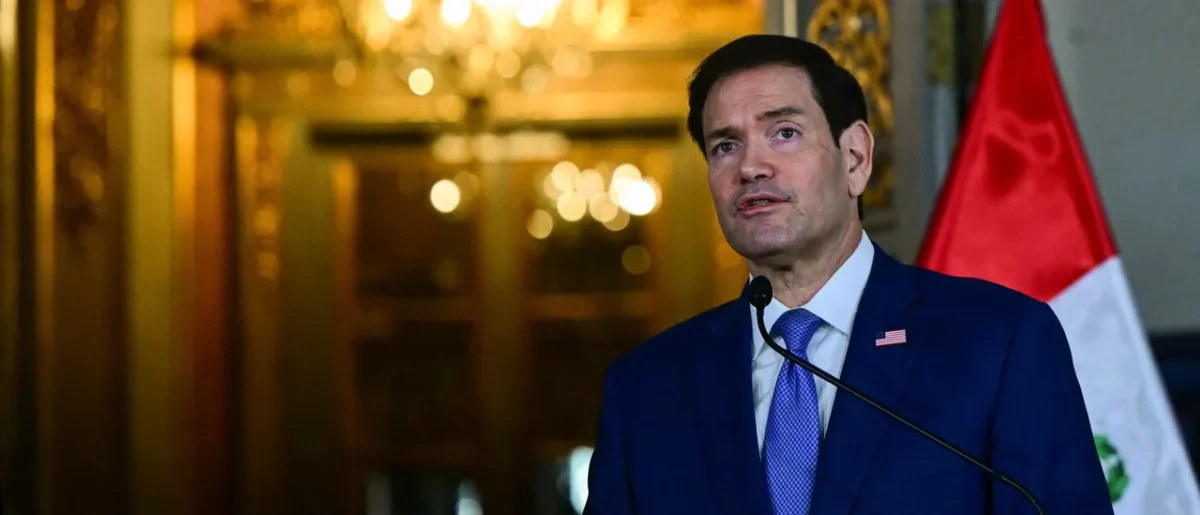
Secretary of State Marco Rubio announced the move Monday after South Africa ignored previous warnings from the Trump administration. The country had been given months to address the targeting of white South Africans — and did nothing.
“The South African government has not adequately addressed the previously laid out concerns and so today, I am announcing a new visa restriction policy under Section 212(a)(3)(C) of the Immigration and Nationality Act targeting foreign nationals who are responsible for, or complicit in, the enactment or implementation of laws or policies that enable uncompensated land seizures, race-based discrimination, and/or the incitement of imminent violence against members of minority ethnic or racial groups in South Africa.”
Rubio told the Daily Caller the restrictions will hit anyone involved in race-based laws, uncompensated land grabs, or inciting violence against minorities in South Africa.
The United States pulled AIDS funding from South Africa in June after the country refused to protect white South Africans from violence and displacement. The Trump administration gave South Africa a list of demands — condemn anti-white incitement, stop race-based land seizures, designate rural crime a priority, protect U.S. companies from racial quota mandates.
South Africa ignored every demand.
Rubio’s statement explains the legal basis: Section 212(a)(3)(C) of the Immigration and Nationality Act authorizes the Secretary of State to deny entry to anyone whose presence in the United States would harm American foreign policy. The restrictions may also cover family members of those targeted.
“The United States will not allow such behavior to go unchecked,” Rubio said. “These actions directly undermine peace, economic stability, and the rule of law, and they are incompatible with the pillars of America’s foreign policy.”
President Donald Trump has been vocal about the persecution of white South Africans. In May 2025, Trump forced South African President Cyril Ramaphosa to watch videos of his country’s leaders calling for the targeting of white farmers during an Oval Office meeting.
Trump ordered his staff to dim the lights and play a montage of South African political leaders chanting “kill the Boer” — a term referring to white South African farmers. Ramaphosa stared forward or glanced at Trump instead of watching the screen.
After the video ended, NBC News’ Peter Alexander tried to change the subject by asking Trump about a jet Qatar was giving to the United States.
Trump immediately shut him down.
“You ought to get out of here. What does this have to do with a Qatari jet? They are giving the United States Air Force a jet, and it’s a great thing. We are talking about a lot of other things. NBC is trying to get off the subject of what you just saw,” Trump said. “You are a terrible reporter. Number one, you don’t have what it takes to be a reporter. You are not smart enough.”
The State Department’s demands South Africa ignored included:
- Provide exemptions or alternatives for U.S. companies to Broad-Based Black Economic Empowerment laws and other race-based mandates.
- Have senior government officials unequivocally condemn all race-based incitement to violence, including the “kill the Boer” song.
- Prevent the implementation of measures that would allow expropriation without fair compensation and due process under the Expropriation Act of 2024.
- Designate rural crime a “priority crime,” and increase resources dedicated to high-crime rural areas.
- Refrain from actions that would significantly interfere with the implementation of the refugee program.
South Africa now faces the consequences of ignoring America’s warnings. The Trump administration is making it clear: countries that enable racial persecution will pay a price.