House Homeland Security Committee Chairman Andrew Garbarino is sounding the alarm: Congress is dangerously reactive, not proactive — and that’s how America got 9/11 in the first place.
The New York Republican, who represents Long Island’s south shore just outside New York City, remembers exactly where he was on September 11, 2001. His personal connection to that day — living in the shadow of Manhattan as a teenager — has shaped his approach to leading one of Congress’s most critical national security committees.
“I was a senior in high school. I was in Mr. Ponzi’s government class. And that’s when the first plane hit,” Garbarino told Fox News Digital. “We all thought it was a little plane. And then we went to the next class. And then the second plane hit, and everybody realized that stuff was wrong.”
That morning transformed not just America’s security posture, but the entire structure of federal law enforcement and intelligence gathering. In the months that followed the attacks, Congress undertook one of the most sweeping reorganizations of government in modern history, creating the Department of Homeland Security and overhauling how agencies share information about potential threats.
Twenty-five years later, Garbarino leads the congressional committee that oversees the Cabinet department created explicitly after the terror attack — and he’s not letting Congress fall asleep at the wheel. His position gives him unique insight into both the progress made since 2001 and the vulnerabilities that remain in America’s security architecture.
“9/11 happened because our intelligence agencies, they were siloed, they were not sharing information. I don’t know if it was a complacency or whatever, but there were a lot of problems. I don’t want to fall into that same complacency.”
The structural failures that enabled the 9/11 attacks have been exhaustively documented by the 9/11 Commission and subsequent investigations. Intelligence that might have prevented the plot existed within various government agencies, but institutional barriers prevented the dots from being connected in time. It’s a lesson that continues to inform how Congress approaches emerging threats, from cybersecurity to border security.
“Congress is very good at being reactive,” Garbarino said. “We don’t want another 9/11. So if I could leave my fingerprints on something here, it’s the fact that the focus, Congress’ focus on national security, Congress’ focus on homeland security or safety, is that we address an issue before something happens.”
He said Congress needed to get into the habit of passing laws ahead of time, “instead of being like, ‘Oh my God I can’t believe this happened, how did this happen, let’s fix it now.'” This shift in mindset represents a fundamental challenge for a legislative body that often responds to crises rather than anticipating them.
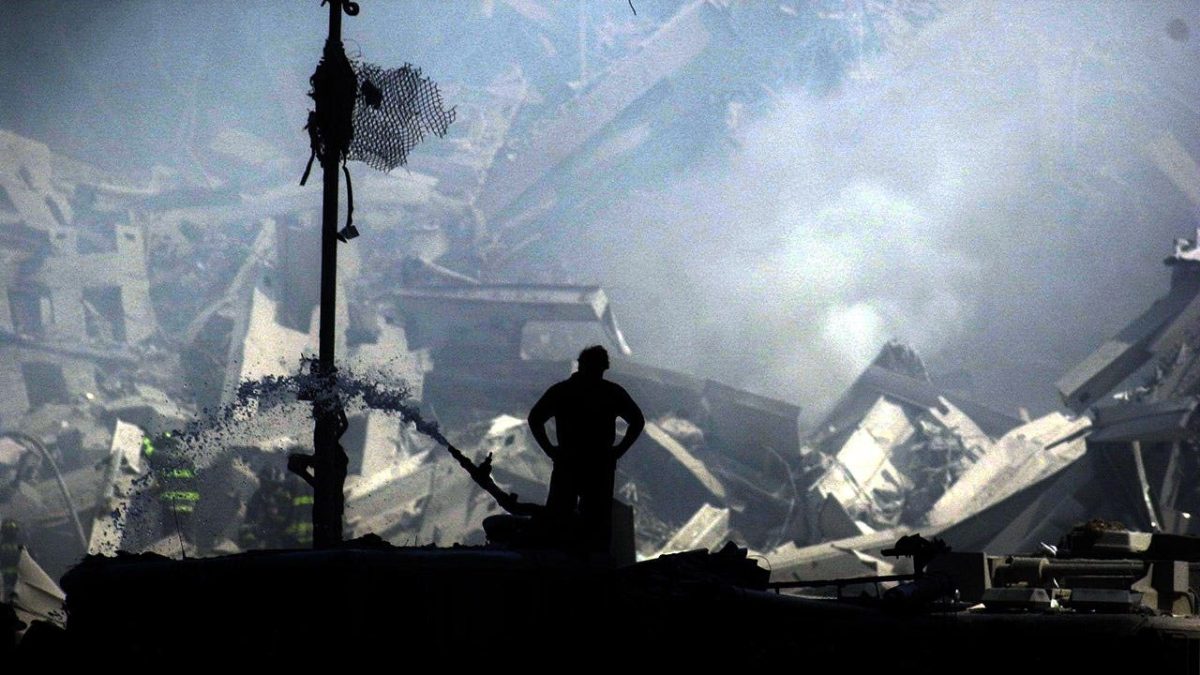
Garbarino’s district and others across the country are still dealing with the fallout from that day — including first responders who rushed to the collapsing twin towers and are now battling cancers and chronic illnesses. The immediate casualties of 9/11 were staggering, but the ongoing medical crisis has created what some call a “second wave” of deaths.
“We have people that lost loved ones that day that are still dealing with it 25 years later,” Garbarino said. “So the scar is still there.”
The death toll keeps climbing. More people have now died from 9/11-related illnesses than died on the actual day of the attack. This grim milestone underscores how the consequences of that September morning continue to reverberate through American families and communities decades later.
“You have firemen who, 9/11 was their first call. They were 21, 22 years old. They’re now 47,” Garbarino explained. “And a lot of these, some of these cancers, they take a while to take hold, and they’re now just getting sick.”
The delayed onset of many 9/11-related illnesses has created ongoing pressure on federal health programs designed to support survivors. Medical experts have identified dozens of conditions linked to exposure to toxins at Ground Zero, from respiratory diseases to various forms of cancer, many of which didn’t manifest until years after the attacks.
Earlier this year, President Donald Trump signed legislation led by Garbarino and others to address a projected funding shortfall for the World Trade Center Health Program, which helps survivors pay for their medical treatment. The bill represented a bipartisan acknowledgment that the nation’s commitment to 9/11 survivors and first responders cannot be allowed to lapse.
Nearly all congressional districts across the country have at least one person participating in the program — a testament to how widespread the tragedy’s effects are. This geographic spread has helped build political support for continued funding, transforming what might have been seen as a New York issue into a national priority.
“People moved out of New York, people who came from all over the country after 9/11 to help, they all went back home, they also got sick,” Garbarino said. “So this does affect the entire country.”