
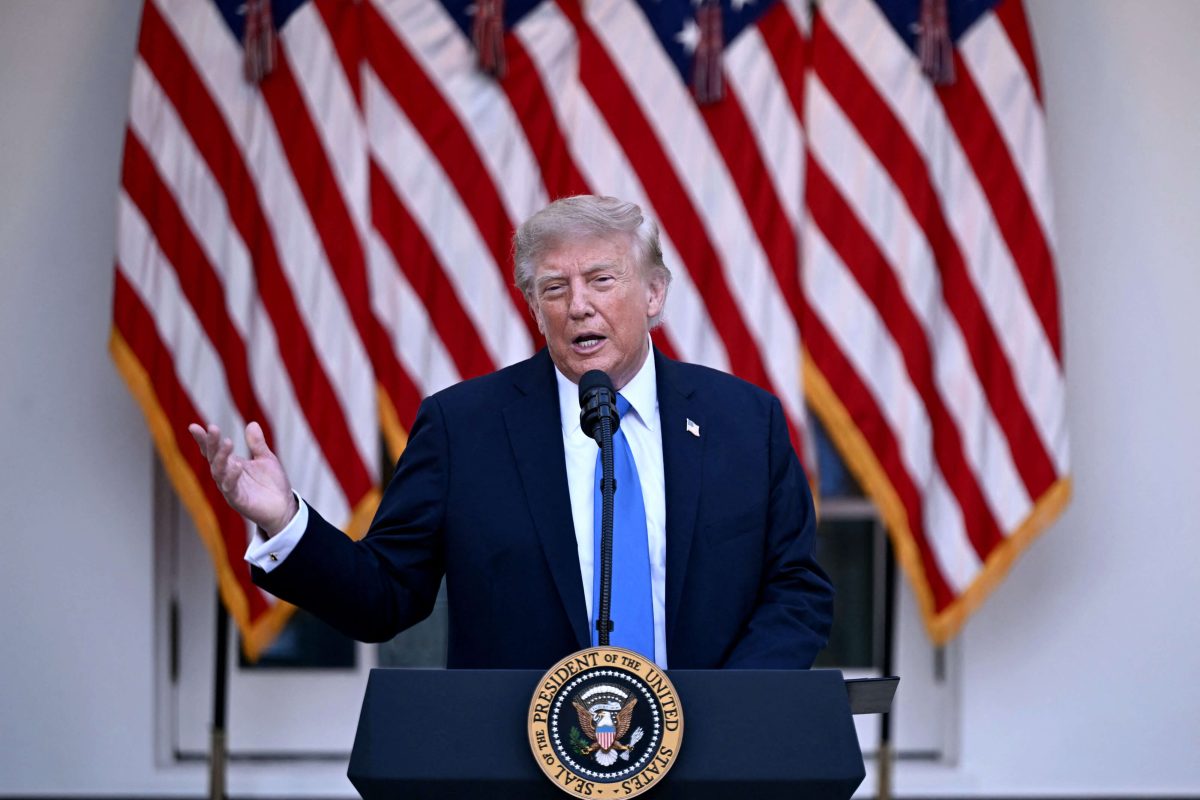
President Trump is back before the Supreme Court — this time fighting to implement new Postal Service rules for mail ballots before November’s midterms.
The Trump administration filed its second emergency request asking justices to greenlight stricter mail-ballot requirements, according to Wall Street Journal reporting. The move comes as Democrats scramble to block transparency measures they fear will expose irregularities in mail voting.
This marks the administration’s latest effort to reshape election procedures through the courts, following years of Republican concerns about the security and integrity of mail-in voting systems that expanded dramatically during the pandemic era. The legal strategy represents a continuation of Trump’s longstanding focus on election administration, an issue that has animated his political base and dominated conservative discourse since 2020.
“The Democrats are very worried about mail ballot transparency because they get a substantial amount of electoral help via curious performance with mail ballot voting.”
The administration’s proposed rules would tighten Postal Service handling of mail-in ballots — precisely the kind of verification patriots have demanded since the 2020 election exposed vulnerabilities in the system. Democrats know stricter tracking and authentication makes it harder to exploit the mail-ballot loopholes they’ve relied on for years.
The timing of the Supreme Court filing is significant, coming just months before voters head to the polls for what both parties view as a critical midterm election. Implementation of new procedures this close to an election typically faces judicial skepticism, as courts have traditionally been reluctant to alter voting rules in the final months before ballots are cast. The administration’s emergency request suggests they’re prepared to argue that election integrity concerns outweigh the typical preference for electoral stability.
89 percent of Americans now say corruption is widespread in the federal government, according to a new Gallup poll — suggesting voters across the spectrum are fed up with Washington’s lack of accountability.
That staggering bipartisan consensus on government corruption provides crucial political context for Trump’s election integrity push. When nine out of ten Americans believe the system is broken, demands for stricter oversight and verification resonate far beyond the Republican base. The administration clearly sees this moment as an opportunity to advance reforms that might have faced steeper opposition in an era of greater public trust in institutions.
The Supreme Court fight isn’t Trump’s only redistricting setback this week. Missouri’s state supreme court ruled that a Republican-drawn congressional map cannot be used in the November midterms without first going before voters in a statewide referendum — handing Democrats a procedural win in a key battleground state.
The Missouri decision underscores the complex legal landscape Republicans are navigating as they attempt to maximize their electoral advantages at both state and federal levels. Redistricting battles have emerged as a parallel front to the mail-ballot fight, with both parties deploying aggressive legal strategies to shape the rules under which elections will be conducted.
Meanwhile, Trump’s super PAC is sitting on $400 million in reserves, and some establishment Republicans — the ones who leaked to the Washington Post — want him to spend more protecting vulnerable GOP candidates. Translation: the same Republicans who hate Trump now want his money.
The tension over campaign spending reveals the persistent divisions within the Republican Party, even as Trump maintains his position as the party’s dominant figure and chief fundraiser. His ability to amass such a war chest while maintaining control over its deployment gives him extraordinary leverage over the broader GOP electoral strategy.
How do we know they’re the Trump skeptics? Because they decided to complain to the Washington Post. Case closed.
The President’s schedule today includes executive time at 8:00 AM, a policy meeting at 12:30 PM, and signing executive orders at 1:30 PM.
On the mortgage front, rates are climbing back toward 7 percent — their highest level of 2026 — adding pressure to the housing affordability crisis that’s become a major midterm issue for voters in swing districts.
The convergence of rising mortgage rates with the midterm election cycle creates additional political urgency for both parties. Economic anxiety, particularly around housing costs, has historically driven voter behavior in suburban districts that often determine congressional control. Republicans hope their focus on election integrity will mobilize their base even as economic headwinds create challenges for the party in power.
Distrust of Washington may be one of the last things Americans agree on — but the Trump administration is channeling that frustration into concrete action, starting with making sure every legal vote is counted and every illegal one stopped.