The Trump administration is preparing to revoke business and tourist visas held by as many as 200,000 foreigners who exploited the asylum system to stay in the United States.
US set for largest mass visa revocation in history targeting up to 200,000 foreigners, officials sayhttps://t.co/FhS9RyJZRp
— Rapid Response 47 (@RapidResponse47) August 24, 2026
BREAKING: The U.S. is preparing to rescind up to 200,000 business and tourism visas in the largest mass visa revocation ever, officials say. https://t.co/TZzszWyv4z
— The Associated Press (@AP) August 24, 2026
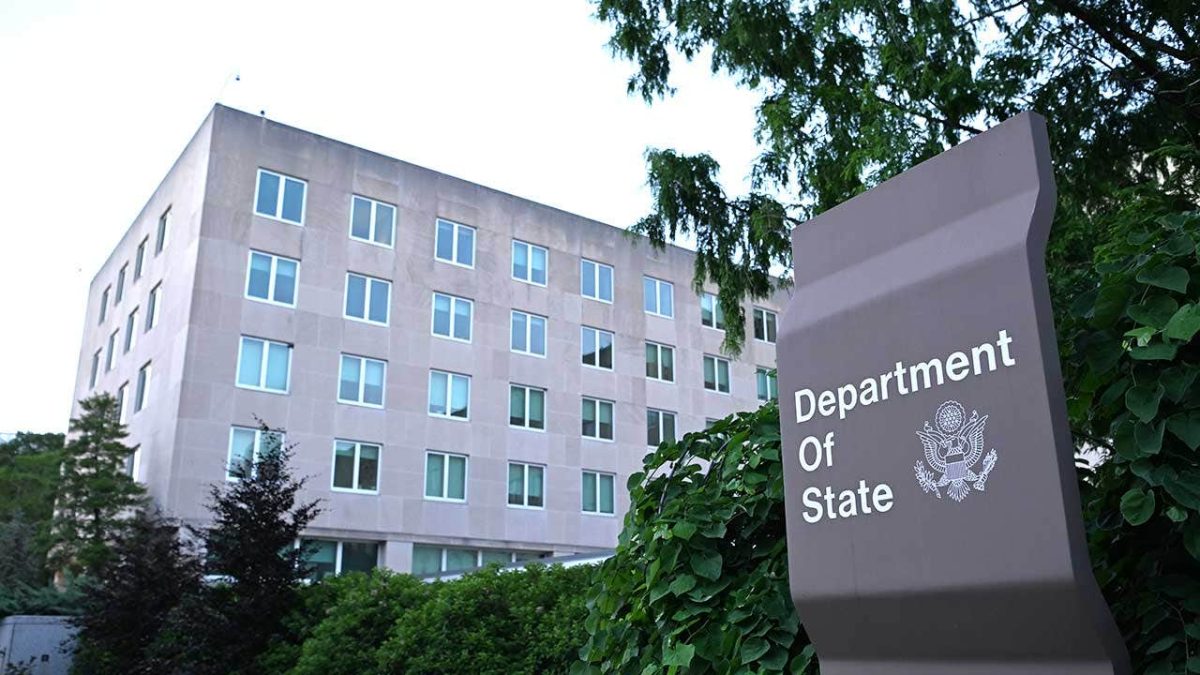
The State Department is expected to announce the sweeping action in the coming weeks, according to internal documents and two U.S. officials. The move would mark the largest mass visa revocation in U.S. history.
“People in the US and all over the world are fed up with bogus asylum claims. Asylum isn’t supposed to be a loophole to circumvent immigration law.”
The effort targets B1 and B2 visas issued between 2016 and 2026 to foreigners who entered as temporary visitors but then filed for asylum to remain permanently. The decade-long timeframe suggests the administration views this pattern of behavior as a systemic problem that transcends any single presidency or policy approach, affecting visa holders who entered under both Republican and Democratic administrations.
State Department spokesman Tommy Pigott confirmed the crackdown in a statement.
“We are coordinating with DHS to identify and revoke the nonimmigrant visas of foreigners who have come to the United States claiming to be short-term visitors, but then file for asylum to stay here permanently,” Pigott said.
The coordination between the State Department and the Department of Homeland Security reflects the complex jurisdictional nature of immigration enforcement, where visa issuance falls under State Department authority while immigration enforcement and asylum processing are handled by DHS. This interagency approach is necessary because the two departments maintain separate databases and operate under different legal frameworks.
Pigott did not confirm the exact number affected, saying the revocations would occur on a “rolling basis” and the total remained “dynamic.” This incremental approach suggests the process will unfold over an extended period rather than as a single mass cancellation, potentially allowing officials to adjust their strategy based on legal challenges or operational obstacles that emerge.
The move would not automatically trigger immediate deportations. Foreigners with pending asylum cases would be reclassified but would lose their status as business or tourist travelers, officials said. This distinction is significant because it means affected individuals would remain in the country while their asylum claims are adjudicated through the immigration court system, a process that can take months or years given current backlogs. However, losing their nonimmigrant visa status could affect their ability to work legally or travel internationally while their cases are pending.
Deputy Secretary of State Christopher Landau said Monday that asylum should not be used to bypass immigration laws.
“People in the US and all over the world are fed up with bogus asylum claims,” Landau wrote on X. “Asylum isn’t supposed to be a loophole to circumvent immigration law.”
B1 visas are typically issued for business travel, while B2 visas cover tourism, family visits and medical care. Applicants must demonstrate that they plan to return to their home countries. This requirement, known as demonstrating “nonimmigrant intent,” is central to the State Department‘s concern. Officials argue that individuals who file for asylum after entering on these visas misrepresented their intentions during the application process, undermining the integrity of the visa system.
The potential revocations come as the Trump administration cracks down on what it considers widespread abuse of the immigration system. The administration has made immigration enforcement a central priority, arguing that existing pathways have been exploited by those seeking to circumvent legal immigration channels designed for permanent residency.
The State Department has revoked roughly 175,000 visas over the past 18 months — a crackdown that has already set records before this latest action. That earlier wave of revocations targeted various categories of visa holders, including those with suspected ties to security concerns and those who violated the terms of their admission. The scale of those actions, which already represented an unprecedented level of visa cancellations, provides context for understanding how dramatically this new 200,000-visa revocation would expand enforcement efforts.
If carried out, the 200,000-visa revocation would dwarf that total and could face legal challenges from open-borders advocates. Immigration attorneys and advocacy organizations have historically contested large-scale administrative actions affecting visa holders, arguing they may violate due process protections or exceed executive authority.
The announcement is expected in the coming weeks.