Ukraine’s long-range drone campaign against Russian oil refineries has delivered some of its most dramatic wins in years — but Moscow’s repair crews and air defenses keep the damage from becoming decisive.
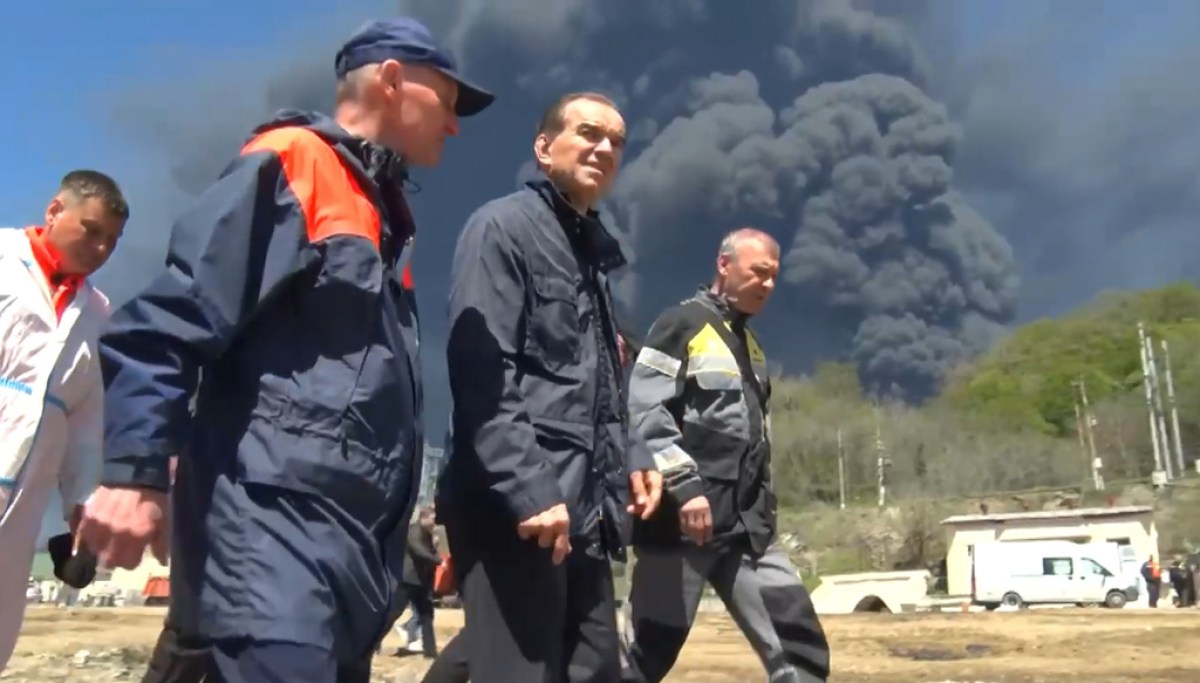
The most spectacular strike came last week: hundreds of Ukrainian drones overwhelmed Moscow’s air defenses and hit refineries and storage tanks, sending black plumes of smoke that darkened the sky above the capital.
For nearly a year, Ukraine has hammered Russia’s oil infrastructure with coordinated drone swarms, knocking out refineries, storage tanks, and export terminals. The strikes have forced Russia to ban gasoline and jet fuel exports, driven fuel prices up, and shifted billions in revenue from refined oil to cheaper crude exports.
Russian oil companies suffered over $13 billion in total losses from Ukrainian drone attacks in 2025.
Direct damage amounted to $1.29 billion, with the rest coming from lost profits. At the current rate, losses in 2026 are set to be even worse.
Since March, Ukraine has launched over two dozen strikes against Russian oil refineries, including eight of Russia’s ten biggest. Russia’s daily refined oil output fell by up to 700,000 barrels per day across April and May — a 13% drop from late March levels.
Nearly a quarter of Russia’s total oil refining capacity has been knocked offline at some point in the past year.
But Russia’s repair teams work fast. Production fluctuates wildly — dropping below 4 million barrels per day in late May before surging back above 4.5 million in early June. Mid-June strikes knocked out another 600,000 barrels per day, but Moscow keeps bringing damaged units back online.
The strikes have hit Moscow especially hard. Ukraine has focused attacks on refineries and storage facilities supplying gas to Moscow’s residents, looking to impose the biggest cost on Russia’s most influential population.
Still, the Russian energy sector hasn’t collapsed.
Dr. Tatiana Mitrova, a global fellow at Columbia University’s Center on Global Energy Policy, told the Washington Examiner the sector has absorbed much of the impact by shifting barrels from domestic refining into crude exports.
“I would describe this less as a knockout blow and more as a campaign of sustained degradation,” Mitrova said.
Russia has banned gasoline and jet fuel exports, imported fuel to affected areas, and raised crude oil exports to the highest level since the war began — over 3.46 million barrels per day. Crude sells for around 75%-80% of refined oil value, so Russia still generates significant revenue despite the refinery damage.
The closing of the Strait of Hormuz due to the U.S.-Israel war with Iran also sent oil prices skyrocketing — a windfall for Russia’s energy revenue.
Meanwhile, Russian air defenses have gotten far better at shooting down Ukrainian drones. Iryna Terekh, CEO of Fire Point (the Ukraine-based company that produces the FP-1 long-range kamikaze drone), revealed the drone’s success rate when first launched in late 2024 was around 70%.
“Right now the number is 10%,” she said at a June conference.
Russia now shoots down over 90% of much larger drone swarms — a major improvement driven by moving air defenses away from the front line to cover strategic targets across the country.
That shift is one of Ukraine’s biggest wins: forcing Russia to divert military resources from the front to protect refineries, ports, and cities in the rear.
Isaac Levi, Europe-Russia policy and energy analysis team lead at the Centre for Research on Energy and Clean Air, said the strikes have “meaningfully complicated Russia’s war effort.” In some Russian regions, gasoline prices have doubled, and the hardest-hit areas face acute fuel shortages.
But he stopped short of calling it a game changer.
“They’re not a stand-alone game changer, but they’ve demonstrated Ukraine’s growing long-range strike capability,” Levi told the Washington Examiner.
Ukrainian journalist Peter Korotaev, who writes extensively about the drone war, put it bluntly: “If the same thing but much worse against Ukraine — total blackouts for millions last winter — hasn’t crippled Ukraine, it won’t happen to Russia.”