
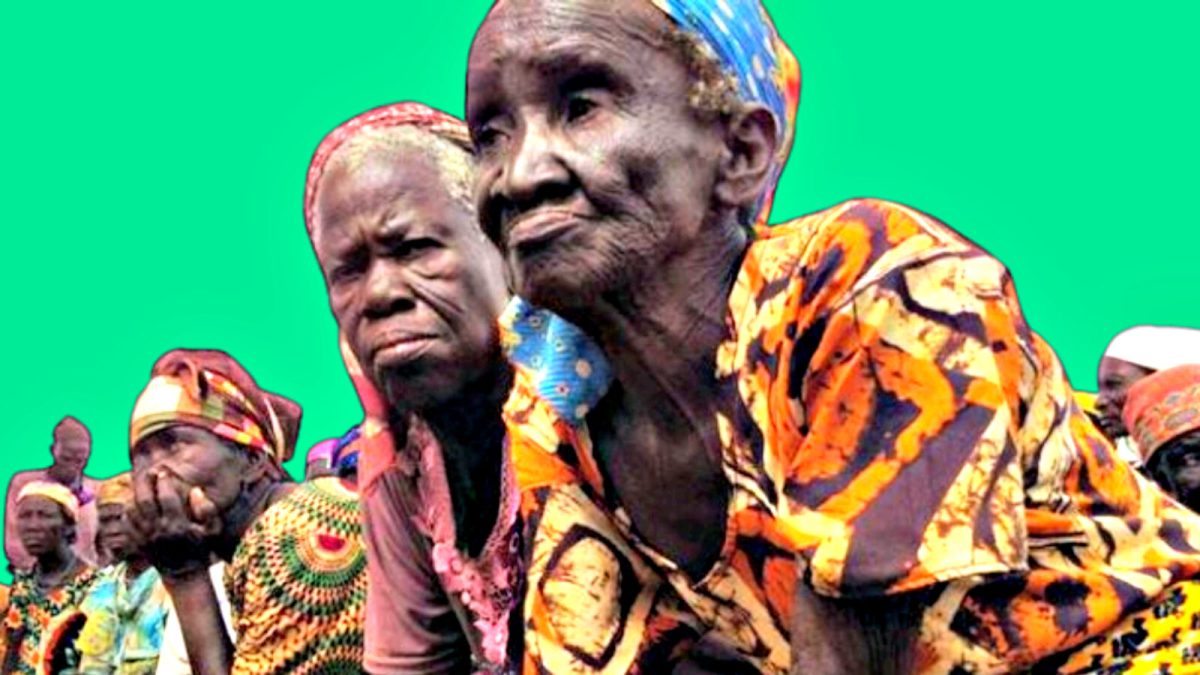


In the heart of West Africa, a modern-day witch hunt is unfolding in Ghana. Hundreds of elderly women are bearing the brunt of dangerous and violent accusations of witchcraft and sorcery. Tragically, these accusations can lead to horrific consequences, including lynching and murder.
Amnesty International is urging the Ghanaian authorities to take decisive action by enacting legislation to criminalize these baseless allegations and the violent rituals that follow. Although the Ghanaian parliament passed a law in 2023 making it illegal to accuse or label someone as a witch, this legislation has yet to be enacted.
As reported by CBS News, the spiral of violence often starts close to home:
“The accusations, which can lead to threats, physical attacks, or even death, usually start within the family or among community members following a tragic event such as an illness or a death,” Amnesty said. “Older women living in poverty, with health conditions or disabilities are at greater risk, as well as women who do not conform to stereotypical gender roles. In some cases, accusers even base their claims on having had a bad dream about a person,” it added.
Belief in witchcraft runs deep in rural communities across the West African coast, including Ghana. The problem isn’t confined to Ghana alone; in Zambia, two men were charged with practicing witchcraft and possessing dangerous charms against the president.
Once accused, these individuals are often exiled from their communities. In Ghana, they find shelter in camps managed by traditional priests, where they remain isolated until death or until they are accepted back home.
Unfortunately, the Ghanaian government does not provide essential support such as food, safe housing, or clean water for these accused women.
Amnesty International’s Genevieve Partington emphasizes the urgent need for protective legislation:
“The authorities should pass legislation specifically criminalizing witchcraft accusations and ritual attacks, including protective measures for potential victims,” said Genevieve Partington, Amnesty’s country director in Ghana.