President Trump announced Friday a 90-day plan to allow 300,000 metric tons of ground beef imports without tariffs — but rural lawmakers and industry analysts warn the move could backfire by shrinking America’s cattle supply even further.
The president said the imported beef would sell at 25 percent below current market prices, aiming to give American families relief at the grocery store. But lawmakers from cattle-producing states immediately pushed back, and industry experts say the policy could trigger the exact opposite of what Trump wants: higher beef prices down the road.
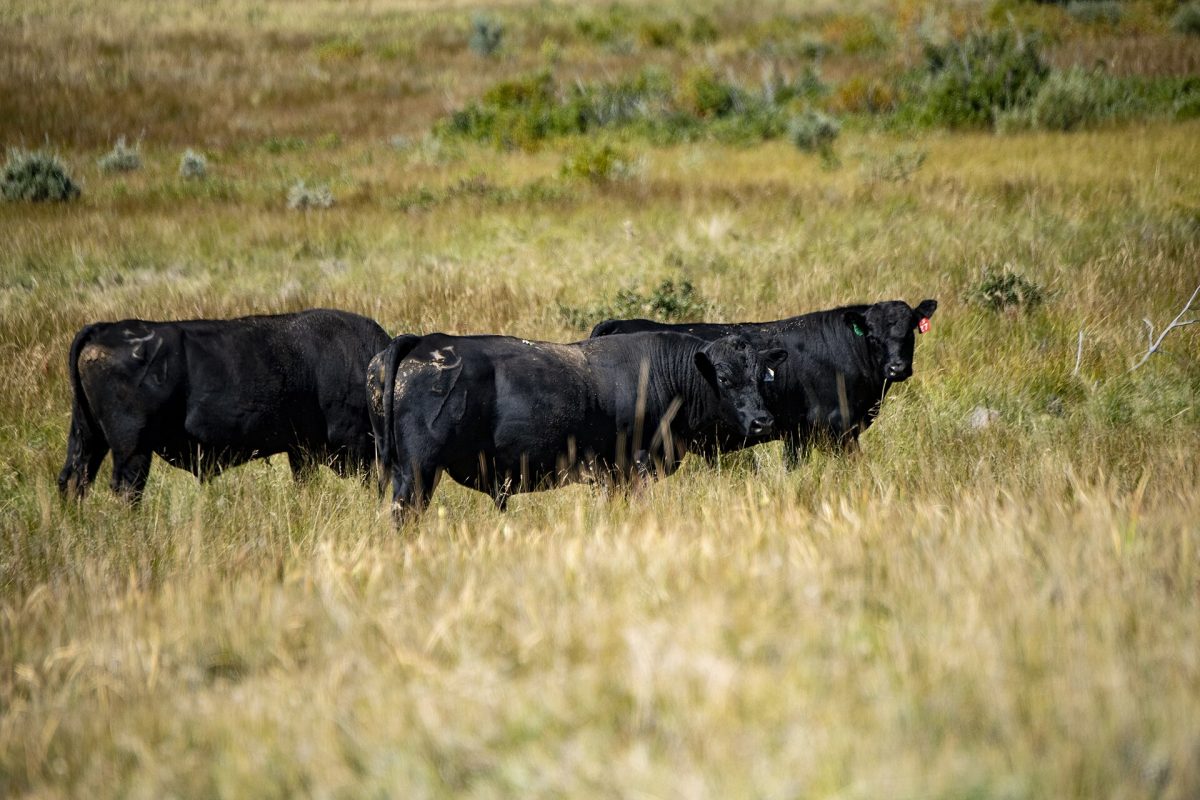
The beef industry runs on a five-to-ten-year cycle. It takes nine months to breed a calf, then another year or two minimum to bring it to market. Right now, America sits at the peak of that price cycle — and the only way to bring prices back down is to grow the herd.
That means farmers need to retain heifers for breeding instead of selling them today. But when beef prices are high and costs are through the roof, the financial pressure pushes ranchers to sell stock now rather than hold and breed.
When costs are high, it makes more sense to sell a heifer than to retain it and breed it.
The cost side is brutal right now. Drought has driven up hay and corn prices. Fertilizer costs remain elevated from the war in Ukraine. Gas prices spiked because of Iran. All three factors — feed, fertilizer, and fuel — are hitting ranchers at once.
So wouldn’t foreign imports help fill the gap? Industry watchers say no — and warn the policy could make the shortage permanent.
A sudden surge of imports triggers a short-term price dip, which signals domestic ranchers to sell even more stock immediately to get ahead of falling prices. That accelerates herd shrinkage. Worse, as cattle supply dwindles, processors shut down capacity because they can’t afford to run facilities seven days a week when there’s only four or five days’ worth of cattle to process.
This isn’t theory. Tyson just announced it’s shutting down a massive beef facility in Utah due to lack of supply. The company is closing another plant in Illinois and selling off a third in Washington. JBS shut down plants in Pennsylvania and Tennessee earlier this year. The biggest domestic processors are slashing capacity because the long-term cattle stock is too low to support it.
The biggest domestic processors are radically reducing their processing capacity because the long-term stock is too low to support it.
The parallel to America’s timber industry is hard to ignore. When Canada dumped subsidized lumber into U.S. markets, domestic lumber prices cratered, processing capacity collapsed, and within years America’s lumber industry was destroyed — even though the country had more than enough raw timber. Short-sighted trade policy ignored the obvious long-term effect of imports on supply and production capacity.
Instead of looking for short-term fixes heading into the midterms, experts argue the administration should focus on incentivizing heifer retention to grow the long-term cattle supply.
That’s the only path through the cycle that doesn’t end with permanently higher beef prices and a gutted domestic cattle industry.
While well-intentioned, this will only exacerbate the long-term stock shortage in the cattle industry, and it will directly lead to HIGHER long-term beef prices.
Beef is a very cyclical industry, largely driven by the fact that it takes 9 months to create a new calf, and another… https://t.co/IBZrW6dVB0
— Sean Davis (@seanmdav) August 21, 2026
As ranchers continue to face historically low herd sizes, this move undercuts American farmers and ranchers by flooding the market with lower quality foreign beef.
Nobody raises better beef than Nebraska ranchers, and price controls should never be used to give foreign beef a… https://t.co/0yPcCJ0f6e
— Rep. Mike Flood (@USRepMikeFlood) August 21, 2026
I’m extremely disappointed by this decision from the White House. We all want lower grocery prices, but as I’ve said for months, we cannot do it at the expense of American producers. Flooding the market with foreign beef hurts our livestock industry and undermines the long-term… https://t.co/RFMajRBHmO
— Senator Deb Fischer (@SenatorFischer) August 21, 2026