
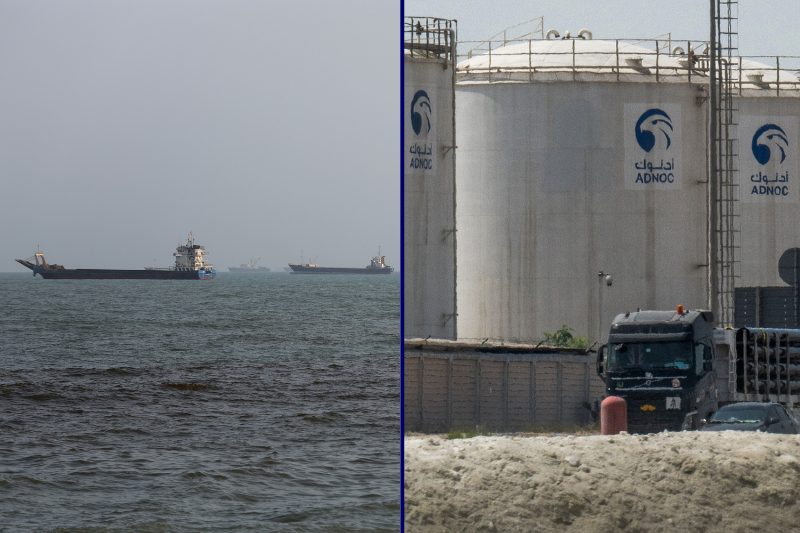
Iran attacked a third United Arab Emirates oil tanker in the Strait of Hormuz within a single week, escalating tensions in the vital energy chokepoint as the regime continues its economic warfare against Gulf allies. The pattern of attacks represents a significant deterioration in maritime security and signals Iran’s willingness to use force against critical infrastructure despite international condemnation.
The Abu Dhabi National Oil Company (ADNOC) vessel was struck Friday while attempting to transit the strait, according to the UAE Ministry of Foreign Affairs. No injuries were reported, but the attack marks the third hostile action against Emirati oil infrastructure in seven days. The frequency and targeting of these incidents suggest a coordinated campaign rather than isolated confrontations, raising concerns among regional security analysts about Iran’s strategic intentions in the waterway.
“The United Arab Emirates has strongly condemned and denounced the hostile Iranian attack that targeted a vessel affiliated with ADNOC as it transited through the Strait of Hormuz, with no injuries reported.”
The Iranian Revolutionary Guard Corps has threatened to target any vessel in the waterway that defies Tehran’s orders or has ties to its enemies. This aggressive posture marks a departure from previous Iranian tactics of plausible deniability and proxy operations, instead embracing direct confrontation with Gulf shipping. Iran previously announced it would maintain control over the strait until the U.S. meets a list of demands to end months of conflict.
The Friday strike came one day after Iran attacked two other ADNOC tankers in the same waterway, causing minor damage but no casualties. The escalating tempo of these operations demonstrates Iran’s calculation that it can act with impunity in waters it considers strategically vital to its national security.
The UAE emphasized in its official statement that the attacks violate UN Security Council resolution 2817, which affirms freedom of navigation and prohibits targeting commercial vessels. By framing the incidents in terms of international law violations, Abu Dhabi is building a legal and diplomatic case for potential collective action while preserving options for de-escalation.
“Targeting commercial shipping and using the Strait of Hormuz as a tool of economic coercion or blackmail represents acts of piracy by Iran’s Revolutionary Guard Corps, and constitutes a direct threat to the stability of the region, its peoples, and global energy security.”
Anwar Gargash, advisor to UAE President Mohamed bin Zayed Al Nahyan, vowed Saturday the country would defend itself while maintaining diplomatic channels. His measured response reflects the UAE’s traditional approach to regional crises, balancing deterrence with dialogue even as the security situation deteriorates.
“Repeated targeting of ADNOC company tankers will not deter the United Arab Emirates from moving forward with a balanced and rational policy, based on the triad of deterrence, diplomacy, and adherence to international law,” Gargash wrote on social media. The formulation suggests Abu Dhabi is preparing for both military and diplomatic responses while seeking to maintain the moral high ground in international forums.
He added that the UAE would “safeguard our rights to freedom of navigation and the use of the Strait of Hormuz in accordance with international law, and we will defend our sovereignty and interests.” This statement carries particular weight given the UAE’s substantial naval capabilities and security partnerships with Western powers.
الاستهداف المتكرر لناقلات شركة أدنوك لن يثني دولة الإمارات عن المضي قدماً في سياسة متزنة وعاقلة، تقوم على ثلاثية الردع والدبلوماسية والالتزام بالقانون الدولي.
سنصون حقوقنا في حرية الملاحة واستخدام مضيق هرمز وفقاً للقانون الدولي، وسندافع عن سيادتنا ومصالحنا، مع مواصلة مسار…
— د. أنور قرقاش (@AnwarGargash) August 15, 2026
The Strait of Hormuz is the world’s most critical oil transit chokepoint, with roughly one-fifth of global petroleum supply passing through the narrow waterway. Any sustained disruption to shipping through this 21-mile-wide passage between Iran and Oman would have immediate consequences for global energy prices and economic stability far beyond the Middle East. Iran’s campaign of harassment threatens global energy markets and the economic stability of Gulf allies, potentially forcing international intervention to protect commercial navigation rights.
The UAE has called for a unified Gulf position to protect regional security as Iran continues to weaponize maritime routes against countries supporting U.S. and Israeli interests in the Middle East. This appeal for collective action tests the resilience of Gulf cooperation mechanisms and may determine whether the crisis remains contained or expands into broader regional confrontation.