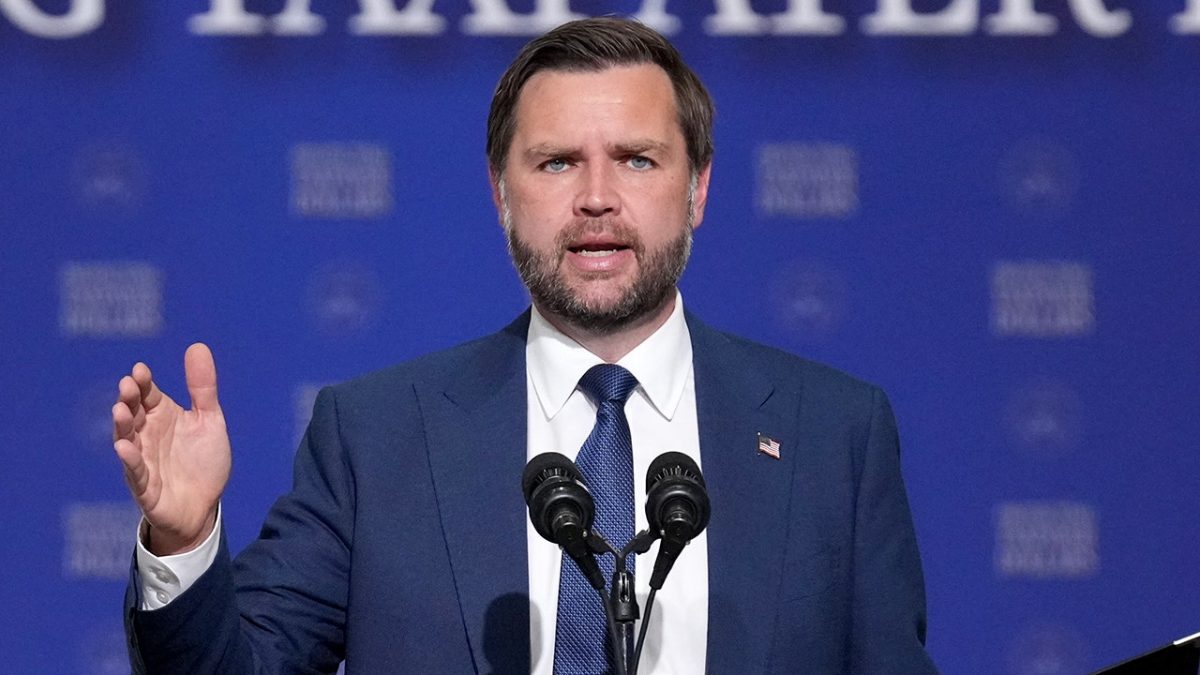
Vice President JD Vance is bringing roughly 20 members of Congress to the White House Wednesday morning for a fraud task force meeting focused on legislative action to stop Medicare and Medicaid fraud.
The meeting represents the next phase of the administration’s aggressive fraud crackdown — moving from executive enforcement to potential new laws targeting fraudsters bleeding taxpayer dollars. This strategic pivot reflects a recognition that while executive actions can identify and temporarily halt fraudulent activities, lasting reform requires congressional involvement to close loopholes and strengthen enforcement mechanisms across federal healthcare programs.
A White House source told Fox News that Vance will detail how lawmakers can target fraud in their own states and districts, turning the national push into a ground-level fight. By empowering individual members of Congress to address fraud within their constituencies, the administration is attempting to build bipartisan momentum for legislative reforms that could survive beyond a single administration. The localized approach also acknowledges that healthcare fraud manifests differently across regions, requiring tailored solutions that federal enforcement alone cannot provide.
“Our task force is using every tool at its disposal to end fraud once and for all. Congress has an important role to play in cracking down on fraudsters and protecting federal programs from abuse.”
The task force has already suspended payments to healthcare providers suspected of fraud across the country. As of May, Vance and CMS Administrator Dr. Mehmet Oz had withheld more than $1.4 billion in federal funding for home health and hospice providers nationwide. These payment suspensions represent an administrative power that allows the government to act quickly when fraud is suspected, rather than waiting for lengthy criminal prosecutions to conclude. However, such actions have also raised questions about due process and the need for clear statutory guidelines — issues that congressional legislation could address.
The scale of the fraud is staggering.
In June, the Trump administration revealed Medicare claims for skin substitutes spiked 7,100% in just six years — surging from $200 million to $14.4 billion from 2019 to 2025. This exponential increase far outpaces any legitimate medical advancement or population growth, strongly suggesting systematic exploitation of Medicare billing codes. The skin substitute category has become a focal point for investigators because the dramatic cost escalation appears disconnected from actual patient need or therapeutic innovation.
CMS identified 4,200 suspicious claims for skin substitutes — known as allografts — totaling $224 million in charges through May of this year alone. The concentration of questionable claims within such a specific medical category suggests that fraudulent actors have identified vulnerabilities in how these products are coded, billed, and reimbursed — weaknesses that legislative action could potentially remedy through revised payment structures or enhanced oversight requirements.
“That’s a lot of money,” Oz said during a news conference in Milwaukee. “And that bankrupts not just hospital systems and physician groups, but it causes major problems across the entire landscape.” His comments underscore how Medicare fraud extends beyond simple theft from taxpayers — it distorts healthcare markets, drives up insurance premiums, and can compromise patient care when providers face financial pressures created by fraudulent competitors.
On Tuesday, the Justice Department announced it is expanding its Northeast Health Care Fraud Strike Force to Philadelphia, charging 19 defendants accused of participating in schemes involving more than $4 million in claims submitted to Medicare and Medicaid. The geographic expansion of strike force operations demonstrates that fraud networks often operate across multiple jurisdictions, requiring coordinated federal-state responses. The Philadelphia expansion also suggests investigators have identified that city as a significant hub for fraudulent activity warranting dedicated prosecutorial resources.
Pennsylvania Attorney General Dave Sunday also announced a plea agreement involving the final defendant in a previously charged 21-defendant case tied to more than $1.7 million in claims. The completion of this multi-defendant prosecution illustrates both the collaborative nature of fraud enforcement and the time-intensive process of bringing cases to conclusion — factors that may inform the legislative proposals discussed at Wednesday’s meeting.
“The vice president’s task force continues to stop the flow of taxpayer funds before they fall into the hands of fraudsters and deliver savings to the American people,” a spokesperson for Vance told Fox News Digital. “This is great momentum in the fight for the President’s War on Fraud.”
President Trump established the task force through an executive order in May, appointing Vance to lead the fraud crackdown alongside various agencies and departments involved in rooting out widespread fraud. The executive order framework allows for rapid coordination across agencies but lacks the permanence and funding authority that congressional legislation could provide, making Wednesday’s meeting a critical step toward institutionalizing the fraud-fighting infrastructure.
“Vice President JD Vance and Republicans are doing a great job hunting down Fraud in the various States. Billions of Dollars is being found, and we’ve just started!”
Trump posted that message on Truth Social in June — and Wednesday’s meeting signals the hunt is entering a new phase with Congress now in the fight. The transition from executive action to legislative engagement could determine whether the current crackdown becomes a temporary campaign or a sustained transformation of how the federal government protects healthcare programs from exploitation.