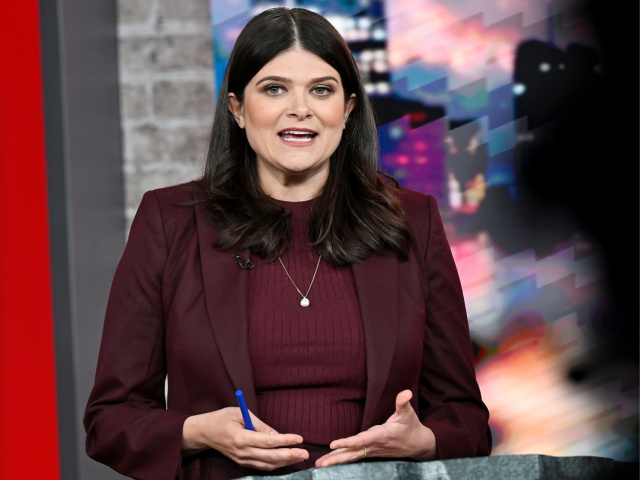
Sen. Jeanne Shaheen endorsed Rep. Haley Stevens this week in Michigan’s Democrat Senate primary — the latest establishment figure to close ranks behind the moderate as socialist challenger Abdul El-Sayed surges toward victory in the final stretch.
The New Hampshire Democrat is the latest in a run of senators to back Stevens, a four-term congresswoman. The endorsement lands as polling shows El-Sayed pulling ahead with days left before the August 4 vote. Shaheen’s involvement marks another attempt by the party’s institutional wing to shore up support for a candidate who has struggled to gain traction with the Democratic base despite accumulating an impressive roster of official endorsements.
Stevens announced the support on X and thanked the retiring senator.
“I’m honored to have the support of Senator Shaheen in the race for U.S. Senate. She’s a fighter for working families who knows how to win tough races.”
Chuck Schumer got behind Stevens early. Gary Peters — the retiring Michigan senator whose seat she wants — endorsed her too. So did Sens. Ruben Gallego, Chris Coons, and Catherine Cortez Masto. The coordinated show of force from Senate leadership represents a familiar playbook: rally institutional support early, demonstrate electability, and hope establishment credibility translates into primary votes.
The party keeps lining up behind Stevens. El-Sayed keeps winning anyway.
The former Wayne County health director has the backing of Sen. Bernie Sanders and Rep. Alexandria Ocasio-Cortez, and he now leads. His campaign has energized younger voters and progressives who have grown increasingly frustrated with the party’s direction on issues ranging from healthcare to foreign policy. A new Emerson College poll put him ahead 54 percent to 39 percent. Push the undecideds and the margin grows to 57-41. The fifteen-point advantage represents a dramatic shift from earlier in the race, when Stevens held a comfortable lead and was widely viewed as the prohibitive favorite.
Voters under 50 broke for El-Sayed by 42 points. Voters over 60 went to Stevens by 14. Independents backed El-Sayed by 27. The generational divide reflects broader tensions within the Democratic coalition about the party’s future direction and priorities.
Sen. Elizabeth Warren endorsed El-Sayed and took a shot at the money flowing into the race for Stevens.
“Michiganders deserve a senator who will fight for you, not for special interests running millions of dollars in TV ads to buy this seat.”
The primary has turned into a proxy war between the party’s establishment and its socialist wing. What began as a standard Senate race has evolved into a high-stakes test of whether progressive activists can finally overcome the institutional and financial advantages that have historically favored moderate candidates in statewide contests.
The American Israel Public Affairs Committee and affiliated groups have poured roughly $30 million into boosting Stevens — the most the pro-Israel lobby has ever spent on a single race. The unprecedented spending reflects deep concern among pro-Israel advocates about El-Sayed’s positions and the broader trajectory of Democratic Party sentiment on Middle East policy. The infusion of outside money has become a rallying point for El-Sayed supporters, who argue it demonstrates exactly the kind of special interest influence their candidate opposes.
Israel has become the central dividing line. Stevens describes herself as a “proud pro-Israel Democrat.” El-Sayed accuses the country of genocide in Gaza. The starkly different positions reflect a widening gap within the party on one of the most contentious foreign policy issues of the moment, with younger and more progressive voters increasingly critical of U.S. support for Israel while older Democrats remain more supportive of the traditional alliance.
The August 4 primary will test whether establishment money can still override the party’s base — or whether the socialist wing finally breaks through in a major Senate race. Michigan’s unique political landscape—a swing state with both a significant Arab-American population and traditional union Democrats—makes it an especially consequential battleground for this intraparty fight. The outcome could reshape Democratic politics for years to come and signal whether the coalition that has elected moderates to statewide office remains intact or has fundamentally shifted leftward.
Senator @JeanneShaheen is on Team Stevens! I’m honored to have the support of Senator Shaheen in the race for U.S. Senate. She’s a fighter for working families who knows how to win tough races. pic.twitter.com/LYA4WnQFSw
— Haley Stevens (@HaleyforMI) July 31, 2026