
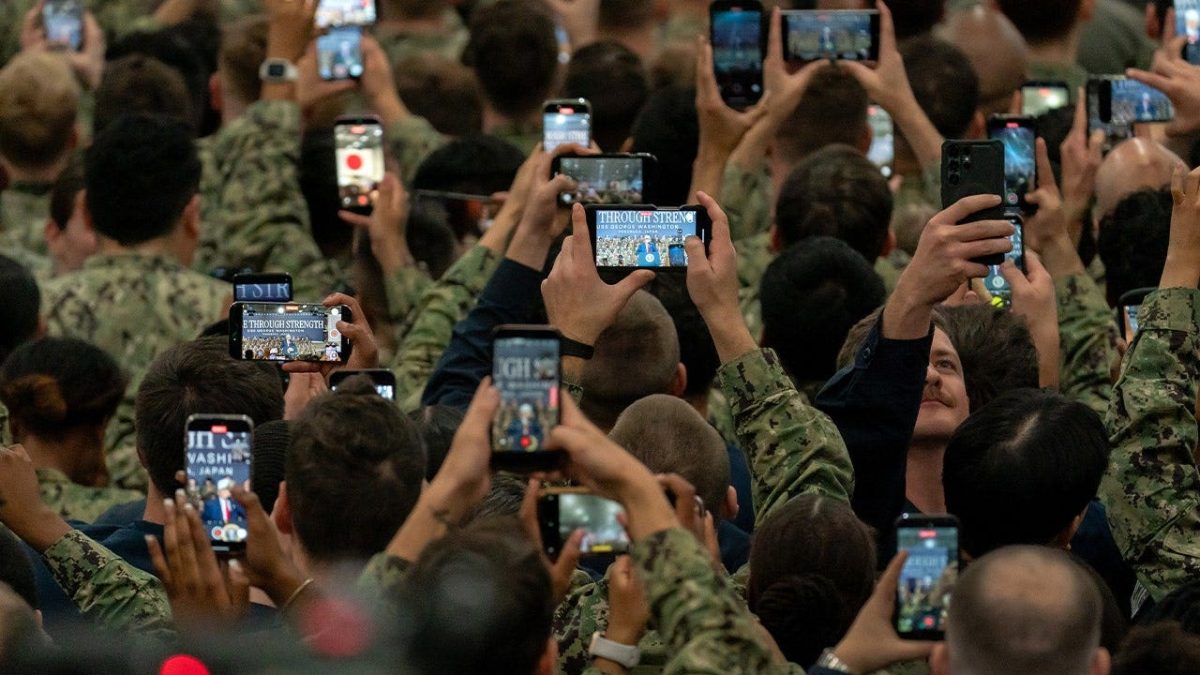
Iran is using photos and videos American troops post online to perfect its attacks — and U.S. military leaders are now considering confiscating cellphones to stop it.
Some service members stationed in Jordan have already been told their phones will be taken away in the coming days, according to two sources familiar with the matter. A third source said broader cellphone restrictions across the Middle East are under consideration due to operational security concerns.
U.S. Central Command (CENTCOM) commander Adm. Brad Cooper sent an internal message warning troops that their social media posts are giving Iran near-real-time battle-damage assessments — intelligence that could cost American lives.
“The direct, unavoidable cost of this open-source intelligence could be measured in the lives of American service members.”
Cooper pointed to footage posted online during the July 17 Iranian strike on Muwaffaq Salti Air Base in Jordan — an attack that killed Pvt. Isabella Gonzales and fatally wounded 1st Lt. Tyler Feehan. Sgt. Angel Rampersad also is believed to have been killed.
The footage, captured using a service member’s Meta smart glasses, showed troops running for shelter and revealed exactly where the individual evacuated.
Without such information, Iran would struggle to determine whether its missiles missed, struck empty ground, or hit populated facilities. But publicly available footage effectively hands Tehran a free battle-damage assessment — and helps it plan deadlier follow-up strikes.
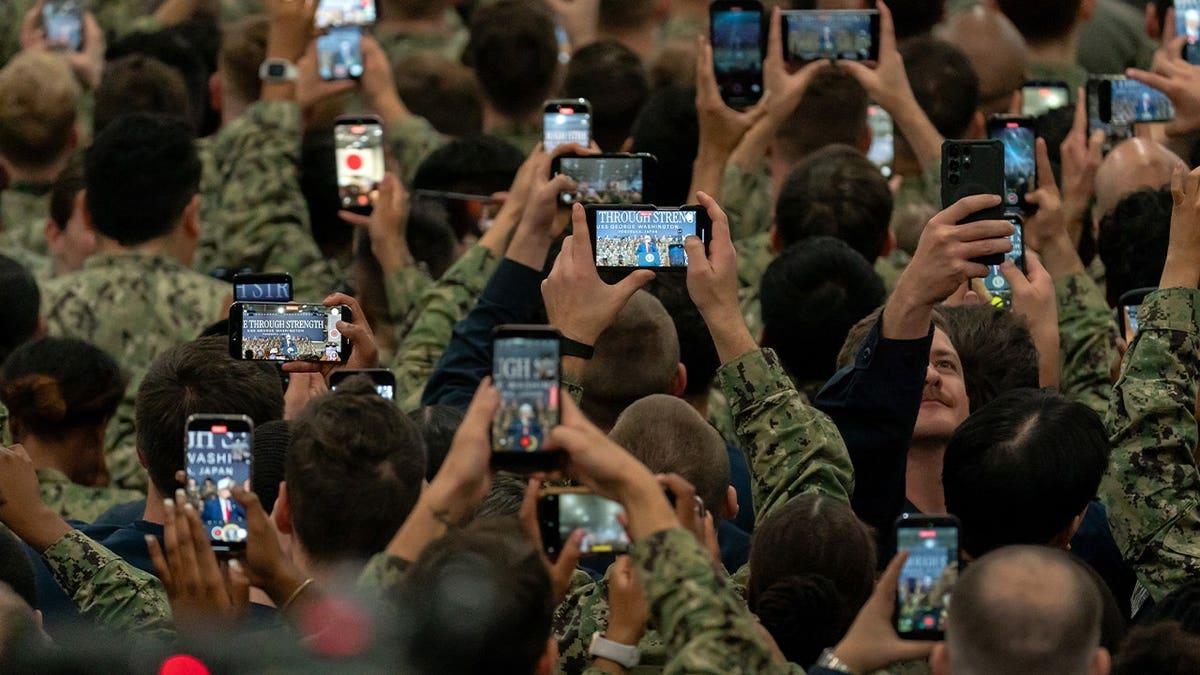
Iran searches news reports and social media for reactions, photos, and cellphone footage showing where its weapons landed, Cooper wrote in the message obtained by Reuters.
CENTCOM spokesperson Capt. Tim Hawkins confirmed Cooper sent the message but declined to release it publicly. “The message is a general reminder to our service members on the importance of maintaining operational security,” Hawkins said.
A defense official declined to say whether personnel had been ordered to surrender phones or whether wider restrictions were under consideration, citing operational security.
Any crackdown would force commanders to balance operational security against troops’ reliance on cellphones to communicate with their families during wartime.
Cellphone rules vary widely across the military. Personal devices are already banned during some sensitive missions and inside classified areas, while sailors at sea often lack ordinary cellular service. Many troops stationed at established overseas bases, however, retain use of their phones.
The concern raised in Cooper’s message is separate from another cellphone vulnerability reported earlier — adversaries’ potential access to commercially available location data generated by smartphones, apps, and advertising networks.
CENTCOM told lawmakers it had received “multiple threat reports concerning adversary exploitation of commercial location data to target or surveil U.S. personnel in theater.”
A bipartisan group led by Sen. Ron Wyden, D-Ore., and Rep. Pat Harrigan, R-N.C., subsequently accused the Pentagon of failing to take basic precautions against the threat posed by data brokers, which collect and sell information about users’ movements.
The lawmakers said adversaries could potentially use that information to identify military installations, monitor troop movements, or track individual service members.
Justin Sherman, CEO of research firm Global Cyber Strategies, called it “a serious national security threat.”
“The sale of location data, in particular on Americans’ devices, puts military personnel at risk,” Sherman said.
The Pentagon referred questions to CENTCOM. Iran’s Mission to the United Nations in New York could not immediately be reached for comment.