
The Trump administration just took a sledgehammer to the nation’s asylum backlog — and open-borders attorneys aren’t going to like it.
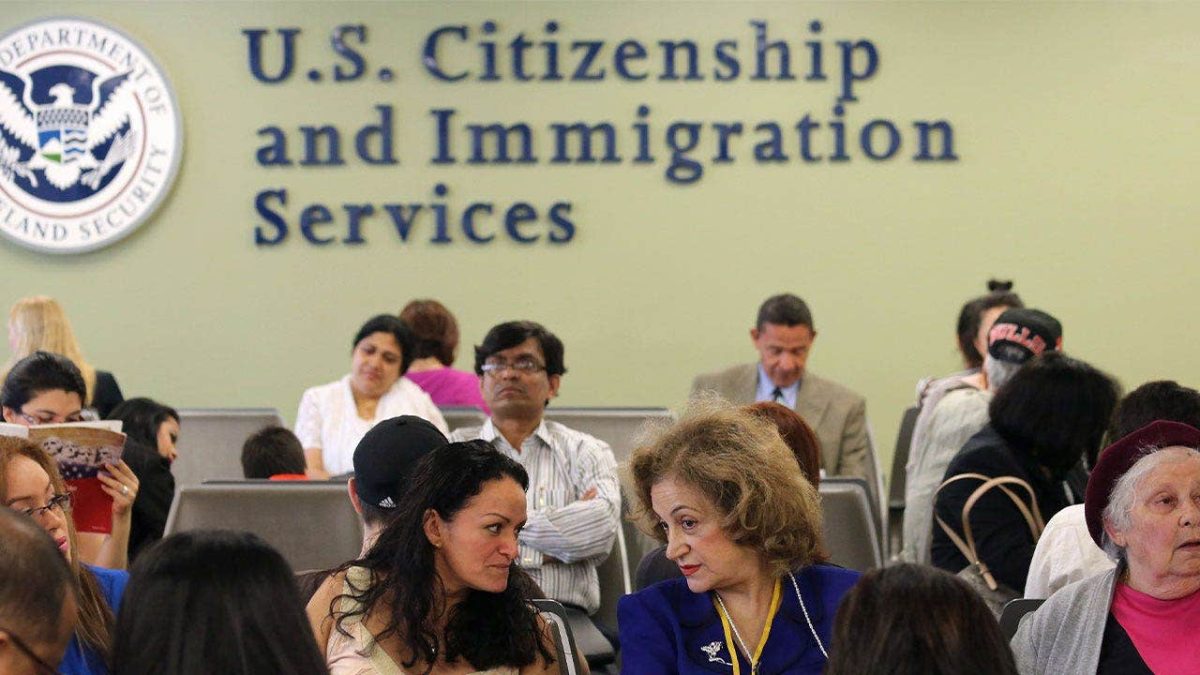
U.S. Citizenship and Immigration Services can now refer certain asylum applications directly to immigration judges without conducting an affirmative asylum interview, eliminating what the administration calls an unnecessary double-review process that’s been exploited for years.
The interim final rule takes effect immediately.
Under the old system, USCIS would interview affirmative asylum applicants, then refer many cases to immigration court for a second review — giving applicants two bites at the apple while the backlog ballooned. The Trump administration says that ends now.
“For far too long, the asylum system has been exploited for purposes of delay and work authorization, not legitimate claims of protection.”
USCIS Director Joseph Edlow told Fox News Digital the change will redirect resources toward applicants with legitimate claims of persecution — not those gaming the system for work permits and delay tactics.
The change applies to affirmative asylum claims filed by immigrants not yet in removal proceedings. Defensive asylum claims raised before an immigration judge after removal proceedings start are unaffected.
DHS general counsel James Percival didn’t mince words about who’s been sabotaging enforcement.
“One of the greatest barriers to effective immigration enforcement is intentional delay by illegal aliens and the open borders attorneys who represent them,” Percival said. “This rule would do just that” — cut through the obstruction.
The rule is the latest front in the Trump administration’s broader crackdown on asylum fraud. Officials argue the current system has been weaponized by migrants seeking to delay removal and secure work authorization rather than fleeing genuine persecution.
Both asylum officers and immigration judges will now be able to process cases more efficiently under the streamlined framework, the administration said.
The rule takes effect immediately, though USCIS will continue accepting public comments before issuing a final version.
Translation: the policy is live, the interviews are optional, and the backlog just met its match.