
Patriots, as the Trump administration diligently focuses on regaining control of the Panama Canal from Chinese influence, it’s crucial to also direct our attention to another pivotal location – CopiaPort-E in Chile. This port, often called the “Rotterdam of the Pacific,” stands as a crucial point of interest in the ongoing geopolitical chess game with China. With its strategic location on South America’s Pacific coast, CopiaPort-E demands swift action from President Trump to thwart China’s encroaching Belt and Road Initiative (BRI) ambitions in South America.
A coalition of three Chilean and one Panama-based holding companies owns a substantial 850 square miles of land earmarked for this development. This includes all the needed rights, intellectual property, contracts, and regulatory permissions. Enter St. Matthew Assurance Ltd., a key player that has inked a deal with Chinese representatives to push forward the CopiaPort-E Super Port project. As an entity owned by the sovereign Chiricahua Apache Nation, St. Matthew Assurance is leveraging international law protecting indigenous rights to facilitate this transaction.
China is fervently working to establish new trade routes across the Pacific, aiming for direct access to essential resources such as food, gas, and minerals from South America. The Cotswold Group of Companies, with ongoing discussions with key figures in the Trump administration, remains central to these developments. It’s worth noting that Todd Callender, CEO of the Cotswold Group, co-authored the eye-opening book, “Disease X and Military Martial Law: Defeating the Globalist Plan to Depopulate the World and Enslave the Remnant,” published on April 4.
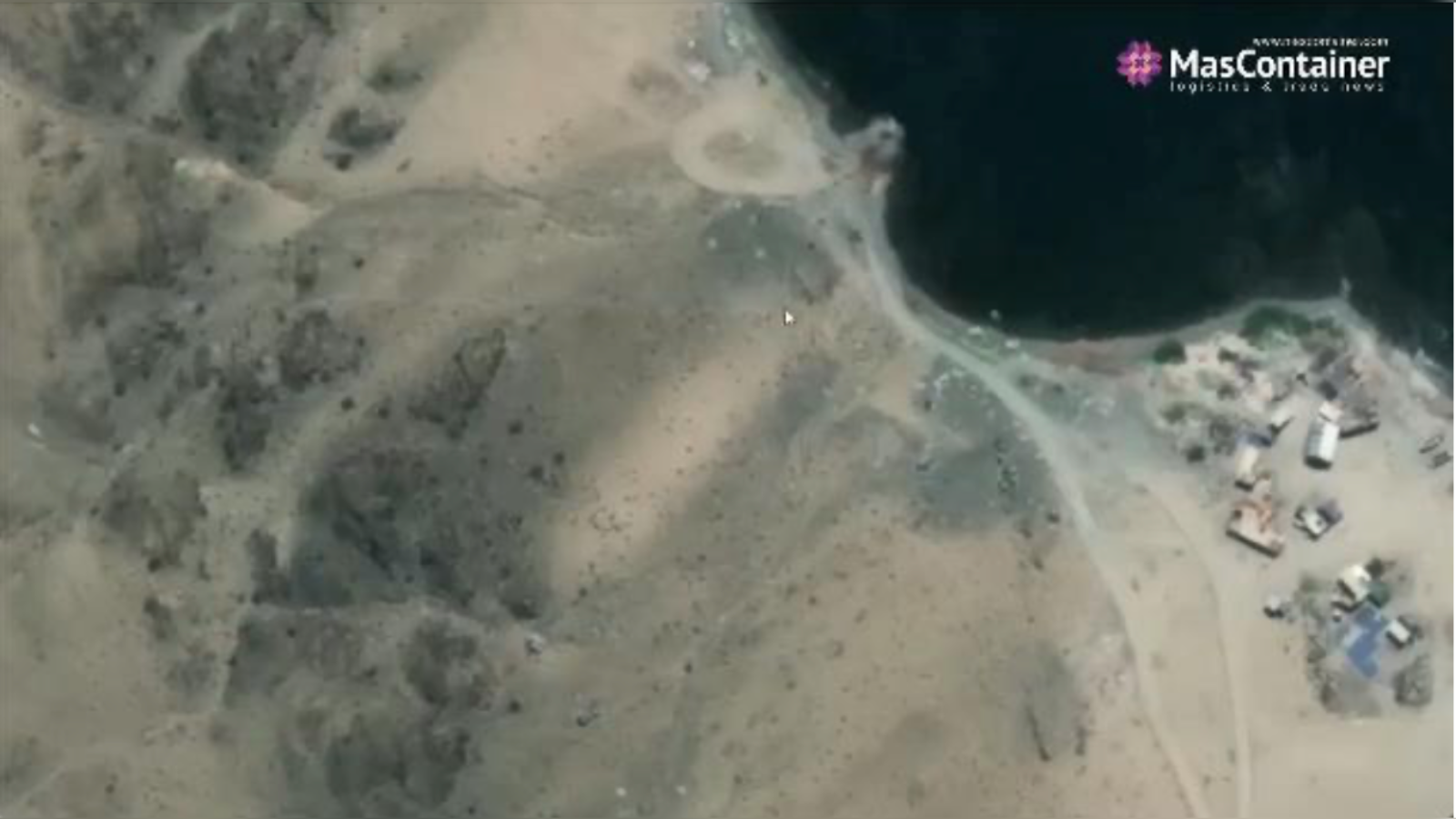
This strategic port project is located within the vast Hacienda Castilla estate, Chile’s largest privately held landmass. Positioned in Chile’s Atacama Region, CopiaPort-E aspires to become the primary hub for Pacific South America, promising top-tier infrastructure to unlock agricultural and industrial potential. Its deep-water capabilities allow it to handle massive Chinamax vessels, providing significant advantages over current South American East Coast shipping practices.
Moreover, CopiaPort-E’s geographical placement offers an ideal setup for a liquid natural gas (LNG) terminal while supporting Antarctic missions. The project also aligns with Argentina’s growing agribusiness, enhancing cross-border trade through Chile.
In a significant move, Chinese President Xi Jinping recently inaugurated the Chancay port in Peru, another strategic location with a $3.6 billion investment by China’s Cosco. This port is part of China’s broader strategy to dominate global resources, focusing on lithium and copper crucial for electric vehicle production. China now holds stakes in 129 port projects worldwide, strategically placed across continents.
Chile, a global leader in copper production, has discovered vast lithium deposits near CopiaPort-E. With Indigenous communities actively demanding more control in lithium production and environmental protection, CopiaPort-E is poised to market itself as an “ECO-port,” aligning with international indigenous rights treaties.
As President Trump nears the end of his first 100 days back in office, it’s imperative that this chance to secure CopiaPort-E is not overlooked. With Secretary of Defense Hegseth focused on Panama and Secretary of State Rubio negotiating with Russia over Ukraine, the United States must seize this golden opportunity to secure a strategic port in our hemisphere, curbing China’s territorial ambitions.