
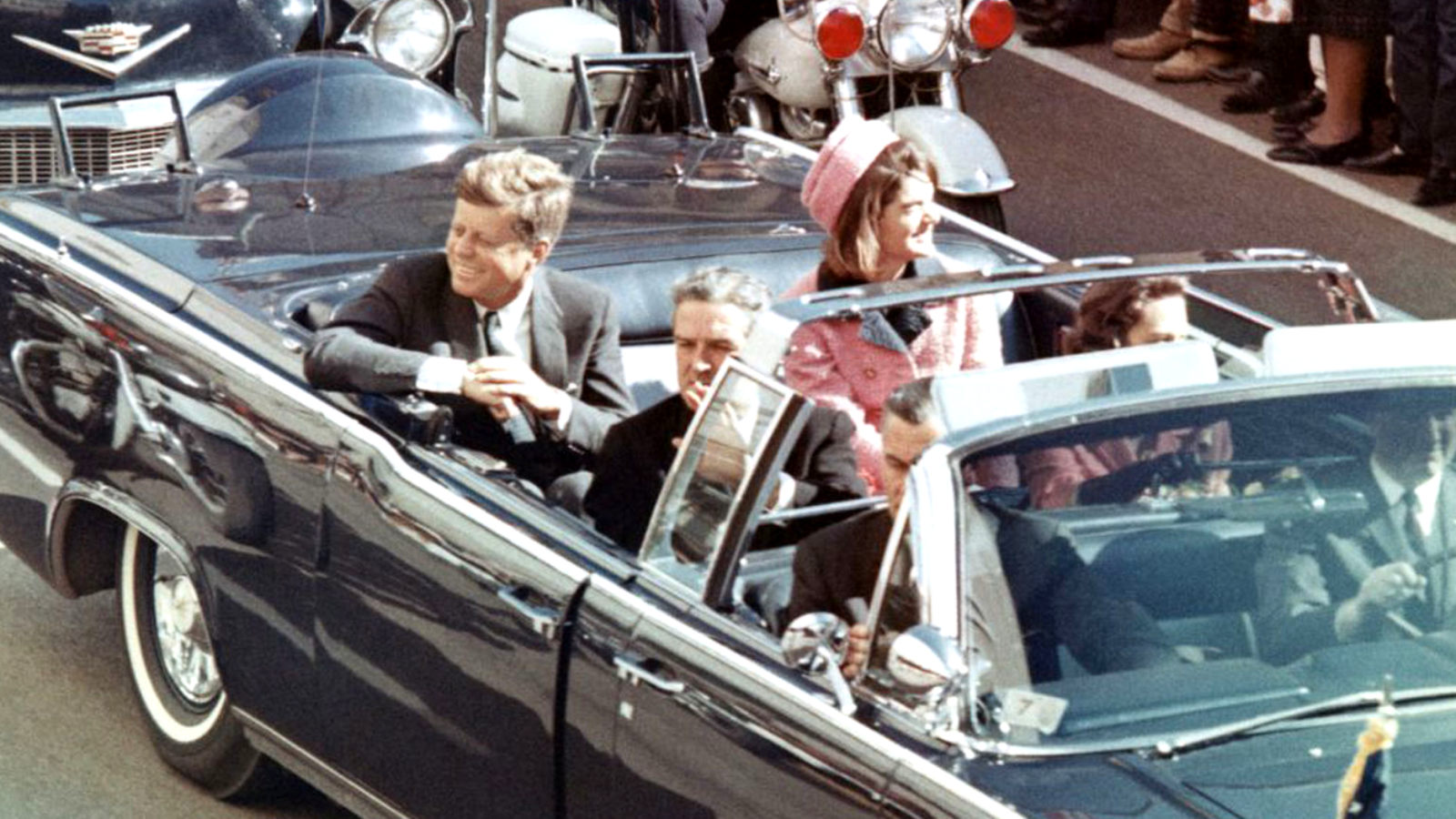

The quest for truth remains alive and well as tens of thousands of JFK assassination documents are now under an urgent review by the Department of Justice. This development comes hot on the heels of President Donald Trump’s decisive action, releasing the first batch of these historic files. Patriots can find these documents listed on the DOJ Archives page here.
Despite President Trump’s robust executive order demanding transparency, the DOJ is conducting a final review before the documents become public. According to a Reuters report, the National Security Division of the DOJ has taken swift action. Lawyers are tasked with scrutinizing 400 to 500 documents each, all in response to President Trump’s push to reveal the truth.
Christopher Robinson, a senior official in the DOJ’s Office of Intelligence, has mobilized every available attorney for this mission, ensuring no stone is unturned—except for those on approved leave. The aim was to complete this review by noon the following day, yet here we are, almost 7 p.m. Eastern, still awaiting the files’ release.
UPDATE: I’m told NARA is the problem here, not DOJ
— ALX (@alx)
March 18, 2025
This past Monday, President Trump delivered a game-changing announcement at the Kennedy Center, declaring that the JFK files would be fully released by Tuesday, a promise he made to the American people. An estimated 80,000 files are set to be unveiled.
“We are tomorrow announcing and giving all the Kennedy files,” Trump affirmed. “People have been waiting for decades for this.”
The President also mentioned that a team led by DNI Secretary Tulsi Gabbard will be taking the helm in revealing the JFK Files.
The roots of this monumental declassification can be traced back to the President John F. Kennedy Assassination Records Collection Act of 1992. This act mandated the release of all relevant records by 2017. However, repeated appeals from intelligence agencies have stalled this process, citing concerns over “national security” and “sensitive sources and methods,” despite many key figures from that era having passed on.