
The United Nations (UN) has once again demonstrated its incompetence by condemning the cut in U.S. aid to Myanmar, warning of impending hunger, yet failing to propose any meaningful solutions. Instead of stepping up to provide aid directly or take concrete action to end the war, the UN waits for the military junta’s invitation—an invitation that will never come from the very regime responsible for widespread persecution and civilian deaths.
It’s no secret that any aid reaching Myanmar is funneled through this oppressive junta, neglecting the 3.5 million internally displaced people suffering in the jungles. This is just another page in the UN’s long history of failing to prevent wars or maintain peace effectively. The organization’s staffing woes continue, highlighted by revelations of Hamas militants being employed by the United Nations Relief and Works Agency for Palestine Refugees in the Near East (UNRWA).
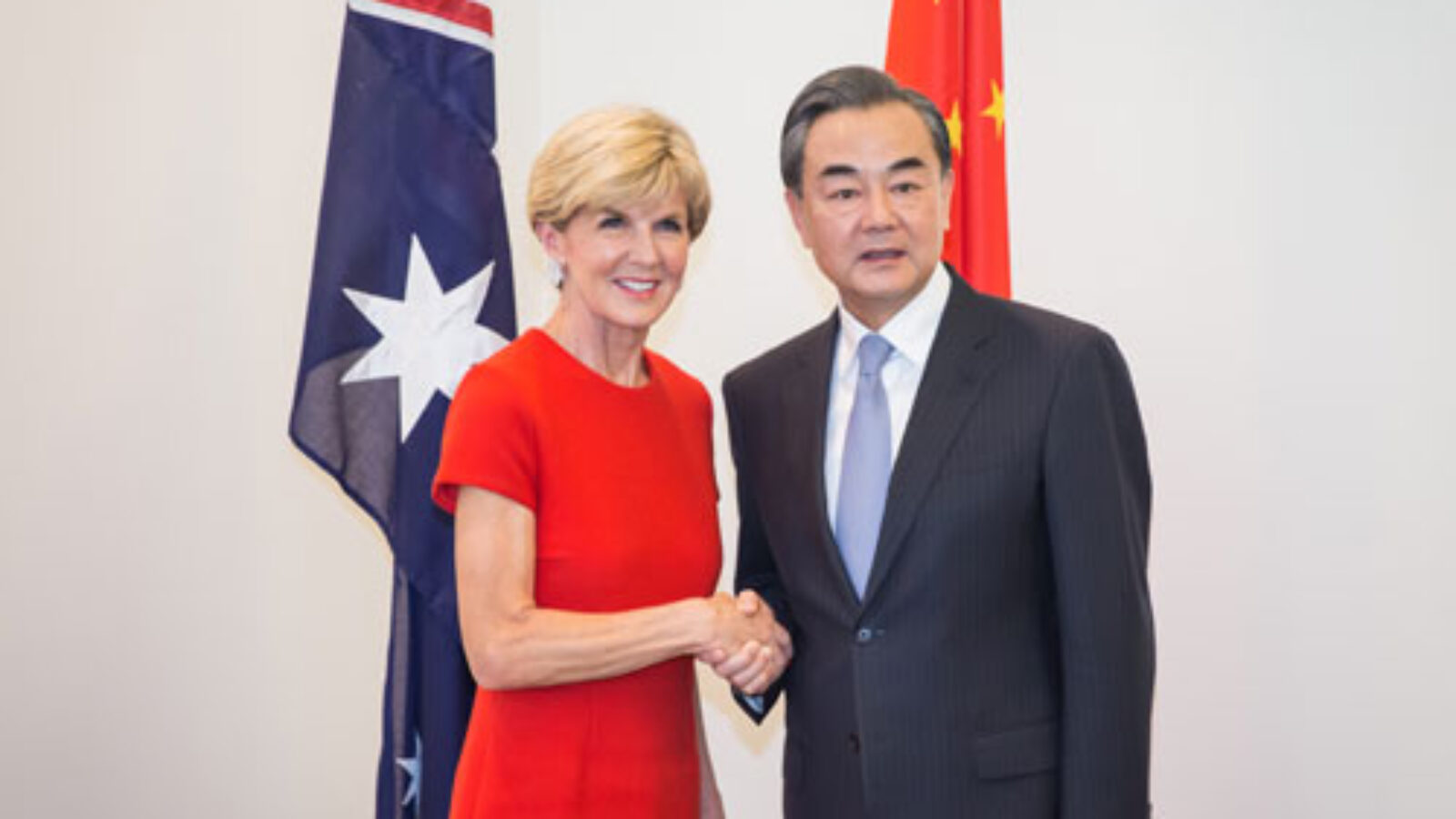
Now, new concerns about UN Special Envoy for Myanmar Julie Bishop’s connections with Beijing threaten to further undermine the institution’s credibility. These ties raise serious questions about the UN’s partiality, as Bishop’s links to China—a country that perpetuates the war in Burma for its own gains—are troubling. Beijing’s strategic interests in securing access to the Bay of Bengal and obtaining cheap resources drive its support for the Burmese junta by supplying arms and military aid.
Following the 2021 coup, Myanmar’s military imported over $1 billion in arms and materials, with China and Russia as the primary suppliers. Russia has contributed over $400 million in advanced weapons, while China’s state-owned enterprises have provided $260 million. Despite sanctions, arms dealers exploit loopholes and alternative channels, with Singapore serving as a major hub for this trade.
If the UN had any real enforcement power, it could curb these arms transfers, potentially crippling the junta’s military operations. Yet, the study “The Billion Dollar Death Trade” highlights the ineffectiveness of current sanctions. It calls for a united global front to strengthen these measures, close loopholes, and impose penalties on Myanmar’s financial institutions, especially the Myanma Foreign Trade Bank (MFTB).
With the UN’s hands tied, a coalition of 290 Myanmar and international civil society organizations is demanding action. They urge UN Secretary-General António Guterres to investigate Julie Bishop’s conflicts of interest and terminate her mandate. They insist on abolishing her position entirely, criticizing the UN’s outdated and ineffective approach. The organizations argue for decisive action to dismantle the junta, enforce accountability, and support Myanmar’s transition to a true federal democracy.
Unfortunately, the UN’s appointment of compromised individuals isn’t new. The UNRWA faced similar accusations of staff ties to Hamas militants, further damaging the institution’s integrity. Notably, in August 2024, nine UNRWA employees reportedly involved in attacks on Israel were dismissed, yet these revelations further tarnish the UN’s image.
Without urgent international intervention, the Myanmar junta will continue to amass resources to suppress opposition and wage war on its people. It’s imperative that UN member states enforce stricter measures to cut off arms supplies, but the UN has proven itself ineffective in both Gaza and Myanmar. True leadership, likely from the United States, is needed to bring about change.
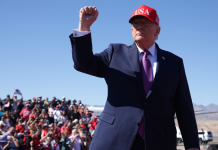
President Trump has long criticized the UN’s ineffectiveness, and once again, his stance is validated. The U.S. could consider reallocating defense funds from Ukraine to bolster pro-democracy forces in Myanmar, giving them a chance to reclaim their nation.