
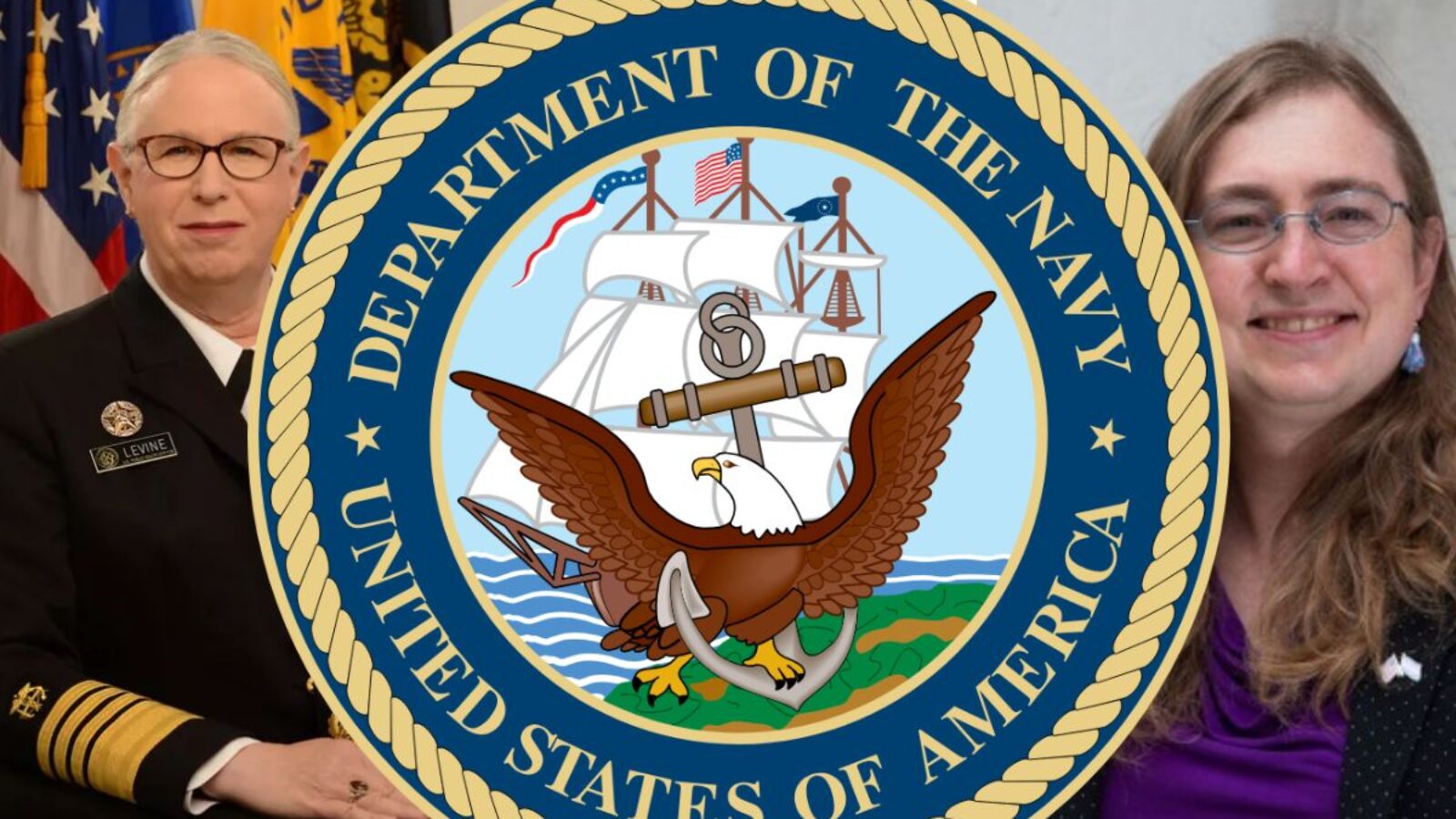

The U.S. military is amidst transformative policy changes concerning transgender service members. This follows a directive by President Trump to reinstate a ban on transgender individuals serving in the U.S. military.
Currently, the policy is under federal litigation, with a decision anticipated soon. U.S. District Judge Ana Reyes, appointed by President Biden, has shown skepticism towards the policy. She remarked: “They have to essentially be in hiding while in service.” This sentiment was shared by the Associated Press.
Judge Reyes argues that discrimination is a key factor in higher suicide rates among transgender individuals, accusing the DOJ of selectively using evidence to argue that transgender people are unfit for military service.
The litigation argues that Trump’s order infringes on transgender individuals’ Fifth Amendment rights to equal protection.
On February 26, 2025, the Department of Defense enacted President Trump’s Executive Order 14183, “Prioritizing Military Excellence and Readiness.” This policy bars transgender individuals from openly serving and excludes those diagnosed with gender dysphoria from enlisting, appointment, or retention.
The Department of Defense maintains that this policy is essential for combat effectiveness, unit cohesion, and medical preparedness.
It’s noteworthy that transgender therapies, excluding surgeries, typically cost employers between $25,000-$75,000 annually. Estimates of transgender individuals serving in the military range from a few thousand to as many as 15,000, constituting less than 1% of the 1.3 million active-duty servicemembers.
In his first term, President Trump declared a similar ban on transgender service members via Twitter on July 26, 2017, stating that the military would not accept transgender individuals in any capacity. This policy faced various legal challenges and adjustments over the following years.
Reports suggest that Vice President Mike Pence and his Chief of Staff Marc Short played significant roles in delaying Trump’s initial efforts to remove transgender individuals from military service.
In January 2019, the U.S. Supreme Court permitted the Trump administration’s policy to be implemented despite ongoing lower court battles.
Navy Details Separation Process for Transgender Troops
Following the new directive, the U.S. Navy released an administrative order on March 14, detailing the removal process for transgender personnel. These service members have until March 28 to submit a voluntary separation request, receiving an honorable discharge and potentially qualifying for voluntary separation pay.
Those who do not separate voluntarily will face involuntary removal. Submitting a separation request places the individual in a non-deployable status with an official exit timeline.
This policy has drawn criticism from LGBTQ advocacy groups, who argue it discriminates against transgender troops.
The USS John McCain’s new Captain appears to be transgender. A fitting tribute to McCain’s legacy.
— Josiah Lippincott (@jlippincott_)
September 3, 2024
Biden-Appointed Federal Judge Challenges The Policy
In a related legal situation, U.S. District Judge Ana Reyes remains vocal in her opposition to Trump’s transgender military policy. During a court hearing, she denounced the policy as a “Don’t Tell” strategy aimed at ousting transgender service members.
Judge Reyes also sparred with DOJ attorneys, insisting that Defense Secretary Pete Hegseth retract a social media post about transgender troops, criticizing the legal stance as “legally questionable and constitutionally dubious.”
Legal Battles and Political Fallout
While the Navy leads in implementing the separation process, other military branches are expected to follow suit. The legal challenges are just beginning, and with Judge Reyes’ critical stance, the Trump administration may face more battles in court over this policy.
Transgender troops now face the decision to voluntarily separate or risk involuntary removal as the March 28 deadline looms.
This policy shift marks a significant departure from recent military practices. Transgender individuals have only been able to serve openly since November 2013, following advocacy efforts and policy changes, including a critical announcement by then-Secretary of Defense Ash Carter on July 13, 2015, to lift the ban on transgender service members.