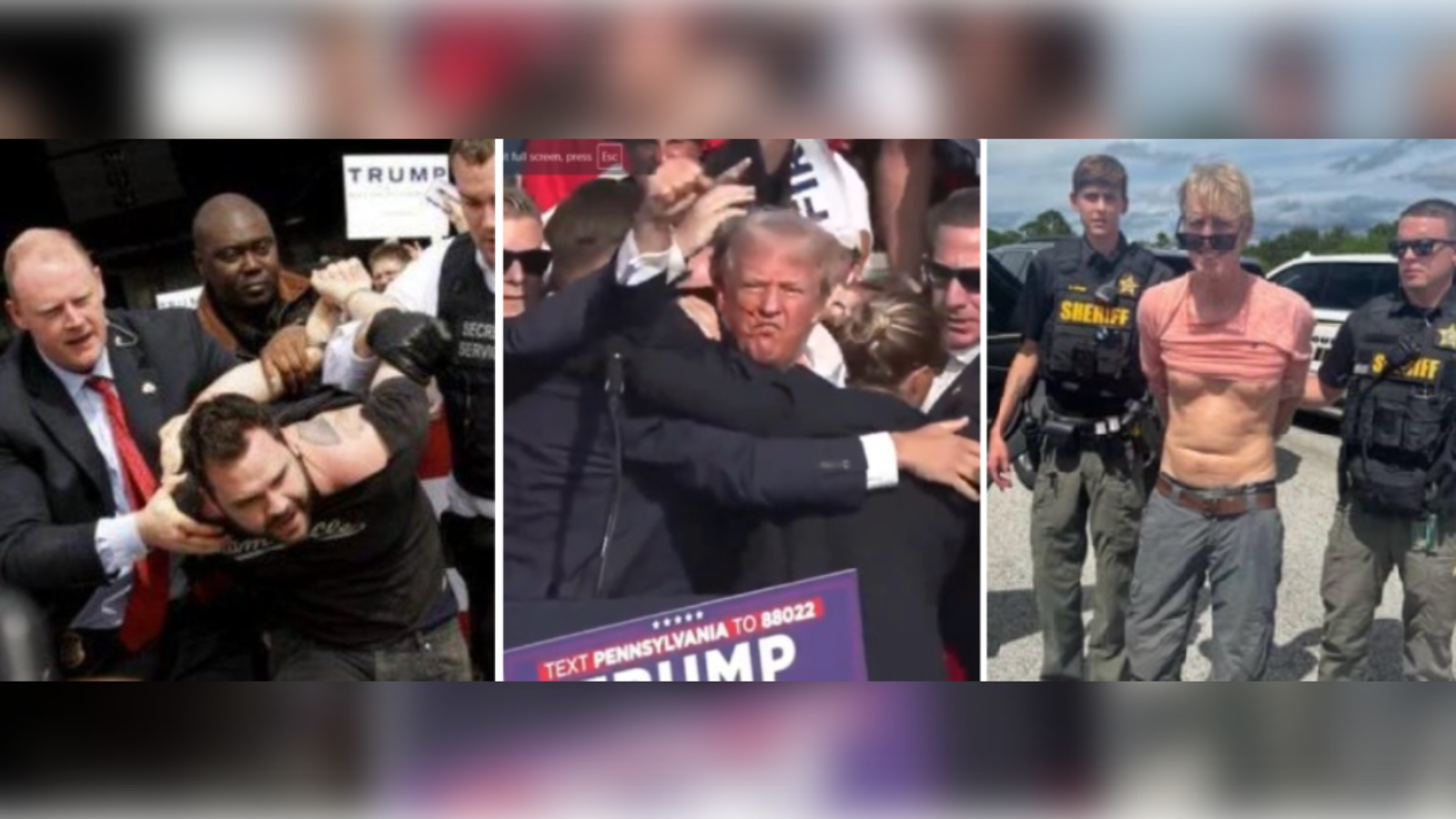

Proud Americans, brace yourselves as we delve into a grave incident that threatens the very core of presidential security. On March 14th, President Donald Trump experienced an unprecedented breach when a reporter’s boom microphone struck him in the face, sparking serious concerns about our nation’s security protocols during public engagements.
The reporter responsible remains unidentified, and questions loom over the U.S. Secret Service’s lack of immediate reaction. This incident underscores a dire need to enhance our physical separation protocols, as the boom mic could have been used as a weapon or to deliver harmful substances.
Threat Assessment
The occurrence, while seemingly accidental, reveals vulnerabilities in protecting our leaders. Historical attacks using close physical contact and chemical agents emphasize the need for absolute control over objects and individuals near the President. The Secret Service’s inability to prevent this breach is a call to action for closing gaps in their counter-threat strategies.
Security Analysis & Recommended Actions
I. Buffer Zone & Physical Separation Enhancements
- Multi-Layered Security Perimeter
- Adopt a tiered system of security barriers at events.
- The primary perimeter should only include vetted personnel.
- A secondary perimeter will serve as an outer screening zone to prevent unauthorized access.
- Strict Press Area Regulations
- Media must stay behind a designated, monitored barrier.
- Enforce safety thresholds for equipment such as boom mics.
- Require handheld-only equipment near the President.
- Real-Time Object Scanning & Threat Detection
- Conduct immediate security screenings of all media equipment, including chemical detection.
- Utilize AI-driven surveillance to detect unusual movements.
II. Historical Threat Case Studies
Given the history of contact-based poisoning methods by adversaries such as Russia, the risk of assassination via physical exposure remains significant. Notable cases include:
- Stepan Bandera (1959) – Assassinated by KGB operative using hydrogen cyanide.
- Alexander Litvinenko (2006) – Poisoned with polonium-210 through direct contact.
- Sergei & Yulia Skripal (2018) – Attacked with Novichok nerve agent on door handles.
- Alexei Navalny (2020) – Poisoned via Novichok on personal items.
- Viktor Yushchenko (2004) – Poisoned with dioxin at a dinner.
- Georgi Markov (1978) – Killed with a ricin injection from an umbrella gun.
III. Strategic Security Upgrades
- Enhanced Surveillance & Screening Protocols
- Mandate microwave scanning for chemical/biological agents on all contact objects.
- Randomize security screenings for reporters and equipment before and after interactions.
- Strict Access Control for Press Corps
- Re-vetting of journalists cleared for proximity access.
- Limit press access via biometric authentication in secure zones.
- Prohibited Extension of Objects
- Ban equipment that exceeds length restrictions, such as boom mics, within proximity of the President.
- Secret Service Rapid Response Teams
- Deploy teams trained to intercept physical threats swiftly.
- Implement immediate takedown protocols for unauthorized intrusions.
Conclusion
The alarming breach with the boom microphone signifies an urgent need for the Secret Service to bolster physical security protocols surrounding the President. With documented attempts involving physical contact, immediate corrective measures are essential to eliminate proximity threats.
Enhanced buffer zones, diligent control of objects, and rapid response strategies must be swiftly implemented to thwart future threats. Let this incident remind us of the critical importance of preserving our nation’s leadership from both traditional and unconventional attacks.
Action Required
We must urgently tighten physical separation protocols, enhance media screening, conduct a thorough Secret Service review of security failures, and enact active response strategies to prevent similar breaches.